JackHitsBack

Category: The Basics

  • Defective Product Injury: A Painful Burn and 15 Hidden Years

    Defective Product Injury: A Painful Burn and 15 Hidden Years

    Defective product injury: the short answer

    A defective product injury in Texas can support a claim against the company that made the product, and in some cases against the store that sold it. Texas treats every claim against a maker or seller for harm from a defective product as one kind of case, called a products liability action. Tex. Civ. Prac. & Rem. Code Ann. § 82.001(2). In most cases, the injured person has two years to sue, and the suit must also be filed within 15 years of the product’s sale. Tex. Civ. Prac. & Rem. Code Ann. § 16.003(a); id. § 16.012(b).

    A defective product injury can come from almost anything sold in a store: a space heater, a ladder, a car part, or a phone battery. For example, say Nora buys a space heater for her home in Sugar Land, and it overheats and burns her hand and arm. This article walks through the Texas rules for a defective product injury like hers, from who can be held responsible to the deadline to sue. The rules are statewide, so Sugar Land is only the example.
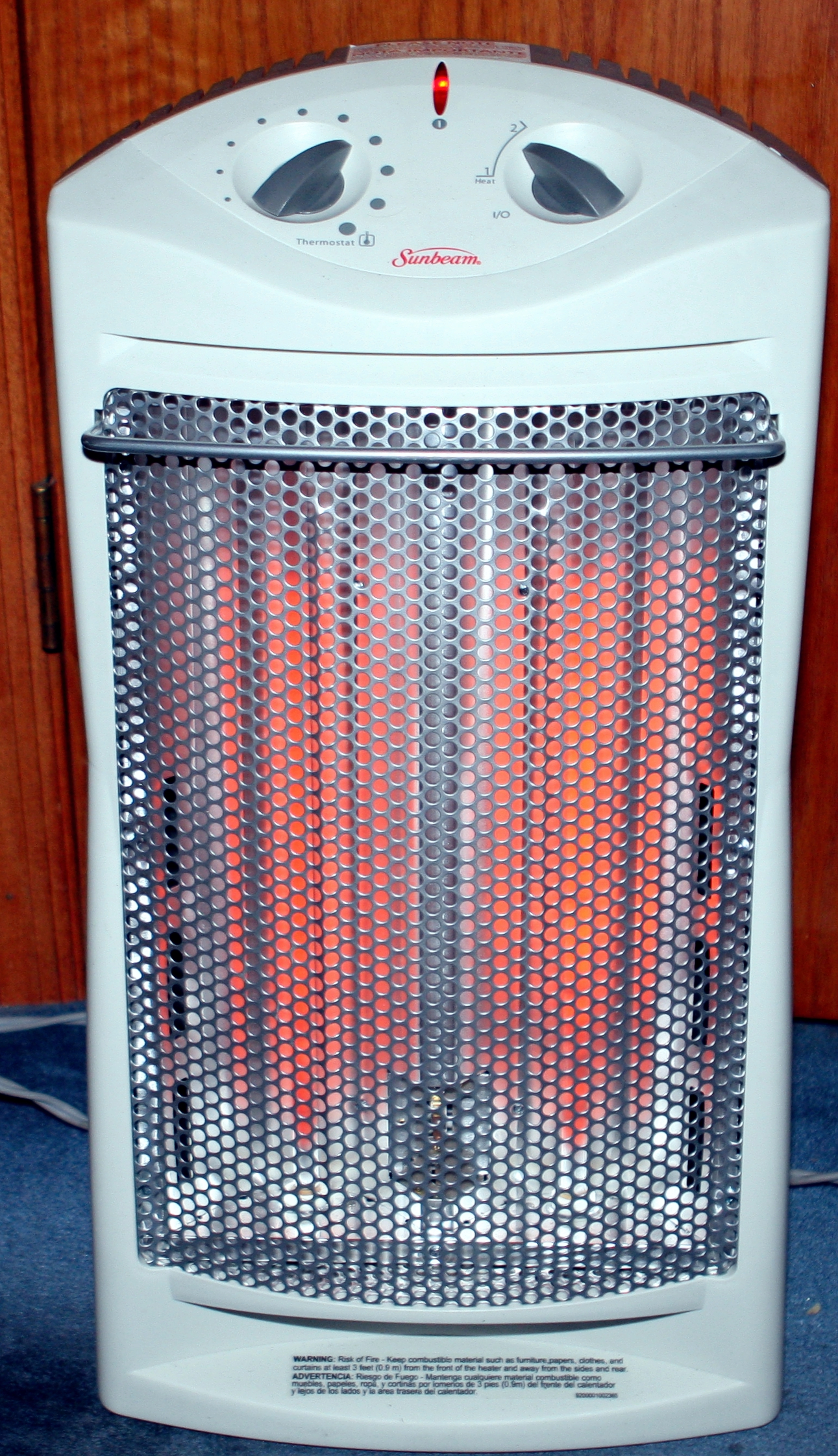
    A quartz electric space heater with glowing heating elements, the kind of household item at the center of this defective product injury example
    A quartz electric space heater. Photo: Hardyplants, Wikimedia Commons, CC0.

    What counts as a defective product claim in Texas?

    Texas defines a products liability action broadly. It covers any suit against a manufacturer or seller for personal injury, death, or property damage allegedly caused by a defective product. Tex. Civ. Prac. & Rem. Code Ann. § 82.001(2). In addition, the claim can rest on strict liability, negligence, misrepresentation, breach of warranty, or a mix of theories. Id. In other words, the name of the legal theory does not change the basic rules below.

    The same statute defines the companies involved. A manufacturer includes anyone who designs, makes, assembles, or rebuilds a product or a part of it and places it in the stream of commerce. Id. § 82.001(4). A seller is a business that distributes or otherwise places a product in the stream of commerce for a commercial purpose. Id. § 82.001(3). As a result, one heater can involve several companies: the brand, the maker of a heating part, and the store.

    Who can be held responsible for a defective product injury?

    The manufacturer is the main target in most cases. In fact, Texas law requires a manufacturer to indemnify and hold harmless a seller against loss from a products liability action. Tex. Civ. Prac. & Rem. Code Ann. § 82.002(a). However, that protection does not cover loss caused by the seller’s own negligence or misconduct. Id.

    Also, a store that only sold the product is usually not liable for harm the product caused. Id. § 82.003(a). Instead, the injured person must prove one of the exceptions the statute lists. Id. For example, a seller can be liable if it took part in the design, altered or modified the product, or installed it on another product, and the harm came from that conduct. Id. § 82.003(a)(1)-(3).

    The list goes further. A seller can also be liable if it made an incorrect factual statement about the product that the injured person relied on, or if it actually knew of the defect when it sold the product. Id. § 82.003(a)(5)-(6). Finally, the store can answer for the harm if the manufacturer is insolvent or is not subject to the court’s jurisdiction. Id. § 82.003(a)(7). That last rule matters when the brand on the box belongs to a company a Texas court cannot reach.

    What must be proven when the design is the problem?

    Some defects come from how every unit was designed, not from a mistake on one unit. For a design defect, the injured person must prove two things by a preponderance of the evidence. Tex. Civ. Prac. & Rem. Code Ann. § 82.005(a). First, there was a safer alternative design. Second, the defect was a producing cause of the injury. Id.

    The statute also explains what a safer alternative design means. It is a different design that would have prevented or significantly reduced the risk of injury without substantially impairing the product’s usefulness. It also must have been economically and technologically feasible when the product left the maker’s or seller’s control. Id. § 82.005(b). For example, Nora’s claim could involve showing that a practical, safer heater design existed when her heater was made. Because this proof is technical, it often comes from engineers or other experts who examine the product.

    How long do I have to sue after a defective product injury in Texas?

    Texas gives most injury claims a two-year deadline. A personal injury suit must be brought no later than two years after the day the cause of action accrues. Tex. Civ. Prac. & Rem. Code Ann. § 16.003(a). Similarly, a claim for an injury that causes death must be brought within two years, and that claim accrues on the death. Id. § 16.003(b).

    Product claims also face a second, outer limit called a statute of repose. In general, a products liability action must be filed before the end of 15 years after the date the defendant sold the product. Id. § 16.012(b). Even so, the statute has exceptions. One applies when the maker or seller promised in writing that the product has a useful safe life longer than 15 years. Id. § 16.012(c). As a result, an older product can raise a deadline problem even when the injury is new. The site’s Texas deadlines guide lists other time limits.

    What the maker’s insurer may argue in a defective product injury claim

    The manufacturer’s insurer may try to shift blame onto the injured person. For example, it may argue that Nora set the heater too close to a blanket or ignored the instructions. Texas handles that argument through proportionate responsibility. The jury assigns a percentage of responsibility to each claimant and each defendant, including for harm caused by a defective or unreasonably dangerous product. Tex. Civ. Prac. & Rem. Code Ann. § 33.003(a).

    Those percentages then shape the recovery. An injured person whose share is greater than 50 percent recovers nothing. Id. § 33.001. Otherwise, the damages are reduced by the injured person’s own percentage. Id. § 33.012(a). In short, a finding that Nora was 20 percent responsible would cut her recovery by 20 percent, not erase it. The site’s guide to the Texas 51 percent rule explains this in more detail.

    In addition, the insurer may argue that no safer alternative design existed, since the injured person carries that burden. Tex. Civ. Prac. & Rem. Code Ann. § 82.005(a). It may also point to the seller protections in the statute to keep a store out of the case. Id. § 82.003(a).

    What can an injured person recover?

    Texas law sorts damages into two main kinds. Economic damages compensate for actual economic or pecuniary loss, such as medical bills and lost pay. Tex. Civ. Prac. & Rem. Code Ann. § 41.001(4). Noneconomic damages cover losses like physical pain and suffering, mental anguish, disfigurement, physical impairment, and loss of enjoyment of life. Id. § 41.001(12).

    For a burn like Nora’s, scarring falls under disfigurement, and the pain of healing falls under physical pain and suffering. Also, a products liability action covers property damage, so harm to a home from a heater fire can be part of the same claim. Id. § 82.001(2). For more detail, see the site’s guide to economic and noneconomic damages.

    Steps that protect a defective product injury claim in Sugar Land

    Because a design claim turns on the product itself, the product is often the most important evidence. Keeping it unchanged, along with the box, manual, and receipt, preserves proof of what was sold and when. The receipt also matters for the 15-year repose period, which runs from the date of sale. Tex. Civ. Prac. & Rem. Code Ann. § 16.012(b). Photos of the product and the room, taken before anything is moved or cleaned, add more proof.

    Then, medical records connect the product to the injury. For example, the emergency room notes for Nora’s burns would show when and how she was hurt. The site’s medical expense tracker can help keep the bills in one place.

    Finally, there is the question of where a suit is filed. Texas generally allows a suit in the county where all or a substantial part of the events happened, or in the county of a company defendant’s principal office in Texas. Id. § 15.002(a). For a defective product injury in Sugar Land, that often means the Fort Bend County district courts in Richmond. The Sugar Land city guide and the defective products topic page have more local and background information.

    This article is general information about Texas law. If you need legal advice about your own situation, contact a licensed attorney.

    Supporting text

    The exact language behind each part of this defective product injury article, in the order it is cited.

    Tex. Civ. Prac. & Rem. Code Ann. § 82.001(2)

    Supports: the short answer and the first section, because this definition shows that a defective product injury claim against a maker or seller is one kind of action, whatever theory it uses, and that it covers property damage.

    “Products liability action” means any action against a manufacturer or seller for recovery of damages arising out of personal injury, death, or property damage allegedly caused by a defective product whether the action is based in strict tort liability, strict products liability, negligence, misrepresentation, breach of express or implied warranty, or any other theory or combination of theories.

    Tex. Civ. Prac. & Rem. Code Ann. § 16.003(a)

    Supports: the two-year deadline for a personal injury suit, because this passage lists personal injury among the claims that must be brought within two years.

    a person must bring suit for trespass for injury to the estate or to the property of another, conversion of personal property, taking or detaining the personal property of another, personal injury, forcible entry and detainer, and forcible detainer not later than two years after the day the cause of action accrues.

    Tex. Civ. Prac. & Rem. Code Ann. § 16.012(b)

    Supports: the 15-year outer limit for a defective product injury suit, because this subsection measures the deadline from the date the defendant sold the product.

    (b) Except as provided by Subsections (c), (d), and (d-1), a claimant must commence a products liability action against a manufacturer or seller of a product before the end of 15 years after the date of the sale of the product by the defendant.

    Tex. Civ. Prac. & Rem. Code Ann. § 82.001(4)

    Supports: the definition of a manufacturer, because this passage lists designers, builders, and assemblers who place a product in the stream of commerce.

    “Manufacturer” means a person who is a designer, formulator, constructor, rebuilder, fabricator, producer, compounder, processor, or assembler of any product or any component part thereof and who places the product or any component part thereof in the stream of commerce.

    Tex. Civ. Prac. & Rem. Code Ann. § 82.001(3)

    Supports: the definition of a seller, because this passage covers a business that distributes a product for a commercial purpose.

    “Seller” means a person who is engaged in the business of distributing or otherwise placing, for any commercial purpose, in the stream of commerce for use or consumption a product or any component part thereof.

    Tex. Civ. Prac. & Rem. Code Ann. § 82.002(a)

    Supports: the manufacturer’s duty to protect the seller, because this subsection requires indemnity except for loss caused by the seller’s own conduct.

    (a) A manufacturer shall indemnify and hold harmless a seller against loss arising out of a products liability action, except for any loss caused by the seller’s negligence, intentional misconduct, or other act or omission, such as negligently modifying or altering the product, for which the seller is independently liable.

    Tex. Civ. Prac. & Rem. Code Ann. § 82.003(a)

    Supports: the general rule that a store that only sold the product is not liable, because this subsection requires the injured person to prove one of the listed exceptions.

    (a) A seller that did not manufacture a product is not liable for harm caused to the claimant by that product unless the claimant proves:

    Tex. Civ. Prac. & Rem. Code Ann. § 82.003(a)(1)-(3)

    Supports: the exceptions for a seller that helped design, altered, or installed the product, because these subdivisions list that conduct.

    (1) that the seller participated in the design of the product; (2) that the seller altered or modified the product and the claimant’s harm resulted from that alteration or modification; (3) that the seller installed the product, or had the product installed, on another product and the claimant’s harm resulted from the product’s installation onto the assembled product;

    Tex. Civ. Prac. & Rem. Code Ann. § 82.003(a)(5)-(6)

    Supports: the exceptions for an incorrect factual statement and for a seller that knew of the defect, because these subdivisions list both.

    (5) that: (A) the seller made an express factual representation about an aspect of the product; (B) the representation was incorrect; (C) the claimant relied on the representation in obtaining or using the product; and (D) if the aspect of the product had been as represented, the claimant would not have been harmed by the product or would not have suffered the same degree of harm; (6) that: (A) the seller actually knew of a defect to the product at the time the seller supplied the product; and (B) the claimant’s harm resulted from the defect;

    Tex. Civ. Prac. & Rem. Code Ann. § 82.003(a)(7)

    Supports: the exception for an insolvent maker or one the court cannot reach, because this subdivision lists both situations.

    (7) that the manufacturer of the product is: (A) insolvent; or (B) not subject to the jurisdiction of the court.

    Tex. Civ. Prac. & Rem. Code Ann. § 82.005(a)

    Supports: the two things a defective product injury claimant must prove about a design, because this subsection places that burden on the claimant.

    (a) In a products liability action in which a claimant alleges a design defect, the burden is on the claimant to prove by a preponderance of the evidence that: (1) there was a safer alternative design; and (2) the defect was a producing cause of the personal injury, property damage, or death for which the claimant seeks recovery.

    Tex. Civ. Prac. & Rem. Code Ann. § 82.005(b)

    Supports: the meaning of a safer alternative design, because this subsection defines the term.

    (b) In this section, “safer alternative design” means a product design other than the one actually used that in reasonable probability: (1) would have prevented or significantly reduced the risk of the claimant’s personal injury, property damage, or death without substantially impairing the product’s utility; and (2) was economically and technologically feasible at the time the product left the control of the manufacturer or seller by the application of existing or reasonably achievable scientific knowledge.

    Tex. Civ. Prac. & Rem. Code Ann. § 16.003(b)

    Supports: the two-year deadline when an injury causes death, because this subsection sets that deadline and says when it starts.

    (b) A person must bring suit not later than two years after the day the cause of action accrues in an action for injury resulting in death. The cause of action accrues on the death of the injured person.

    Tex. Civ. Prac. & Rem. Code Ann. § 16.012(c)

    Supports: the exception for a written promise of a longer useful safe life, because this subsection extends the deadline in that case.

    (c) If a manufacturer or seller expressly warrants in writing that the product has a useful safe life of longer than 15 years, a claimant must commence a products liability action against that manufacturer or seller of the product before the end of the number of years warranted after the date of the sale of the product by that seller.

    Tex. Civ. Prac. & Rem. Code Ann. § 33.003(a)

    Supports: the point that a jury assigns percentages of responsibility in a defective product injury case, because this subsection names harm caused by a defective or unreasonably dangerous product.

    (a) The trier of fact, as to each cause of action asserted, shall determine the percentage of responsibility, stated in whole numbers, for the following persons with respect to each person’s causing or contributing to cause in any way the harm for which recovery of damages is sought, whether by negligent act or omission, by any defective or unreasonably dangerous product, by other conduct or activity that violates an applicable legal standard, or by any combination of these: (1) each claimant; (2) each defendant;

    Tex. Civ. Prac. & Rem. Code Ann. § 33.001

    Supports: the rule that an injured person more than 50 percent responsible recovers nothing, because this section states that bar.

    In an action to which this chapter applies, a claimant may not recover damages if his percentage of responsibility is greater than 50 percent.

    Tex. Civ. Prac. & Rem. Code Ann. § 33.012(a)

    Supports: the reduction of damages by the injured person’s own percentage, because this subsection orders that reduction.

    (a) If the claimant is not barred from recovery under Section 33.001, the court shall reduce the amount of damages to be recovered by the claimant with respect to a cause of action by a percentage equal to the claimant’s percentage of responsibility.

    Tex. Civ. Prac. & Rem. Code Ann. § 41.001(4)

    Supports: the meaning of economic damages, because this subdivision defines them as actual economic or pecuniary loss.

    “Economic damages” means compensatory damages intended to compensate a claimant for actual economic or pecuniary loss; the term does not include exemplary damages or noneconomic damages.

    Tex. Civ. Prac. & Rem. Code Ann. § 41.001(12)

    Supports: the list of noneconomic damages, because this subdivision names pain and suffering, mental anguish, disfigurement, and physical impairment.

    “Noneconomic damages” means damages awarded for the purpose of compensating a claimant for physical pain and suffering, mental or emotional pain or anguish, loss of consortium, disfigurement, physical impairment, loss of companionship and society, inconvenience, loss of enjoyment of life, injury to reputation, and all other nonpecuniary losses of any kind other than exemplary damages.

    Tex. Civ. Prac. & Rem. Code Ann. § 15.002(a)

    Supports: the counties where a defective product injury suit may be filed, because this subsection lists the county of the events and the county of a company’s principal office.

    (a) Except as otherwise provided by this subchapter or Subchapter B or C, all lawsuits shall be brought: (1) in the county in which all or a substantial part of the events or omissions giving rise to the claim occurred; (2) in the county of defendant’s residence at the time the cause of action accrued if defendant is a natural person; (3) in the county of the defendant’s principal office in this state, if the defendant is not a natural person;
  • Social Media: Is a Happy Post Powerful Proof in an Injury Case?

    Social Media: Is a Happy Post Powerful Proof in an Injury Case?

    Social media: the short answer

    Social media posts can be used in a Texas personal injury case. A party’s own statement, offered against that party, is not hearsay, and the other side can ask for relevant posts in discovery. Tex. R. Evid. 801(e)(2); Tex. R. Civ. P. 192.3(a). However, discovery requests must be reasonably tailored, and an injured person can ask the court for protection from overreaching ones. In re CSX Corp., 124 S.W.3d 149, 152 (Tex. 2003); Tex. R. Civ. P. 192.6(b).

    Many people believe that what they post online stays out of a lawsuit. In Texas, that is a myth, and it is one reason people search “social media personal injury case” after a wreck. For example, say Maria is hurt when another driver runs a red light on Woodlands Parkway in The Woodlands. A week later, she posts a smiling photo from a friend’s birthday dinner. The rules below are statewide, so they apply the same way in The Woodlands as in any Texas court. For local resources, see The Woodlands city guide.

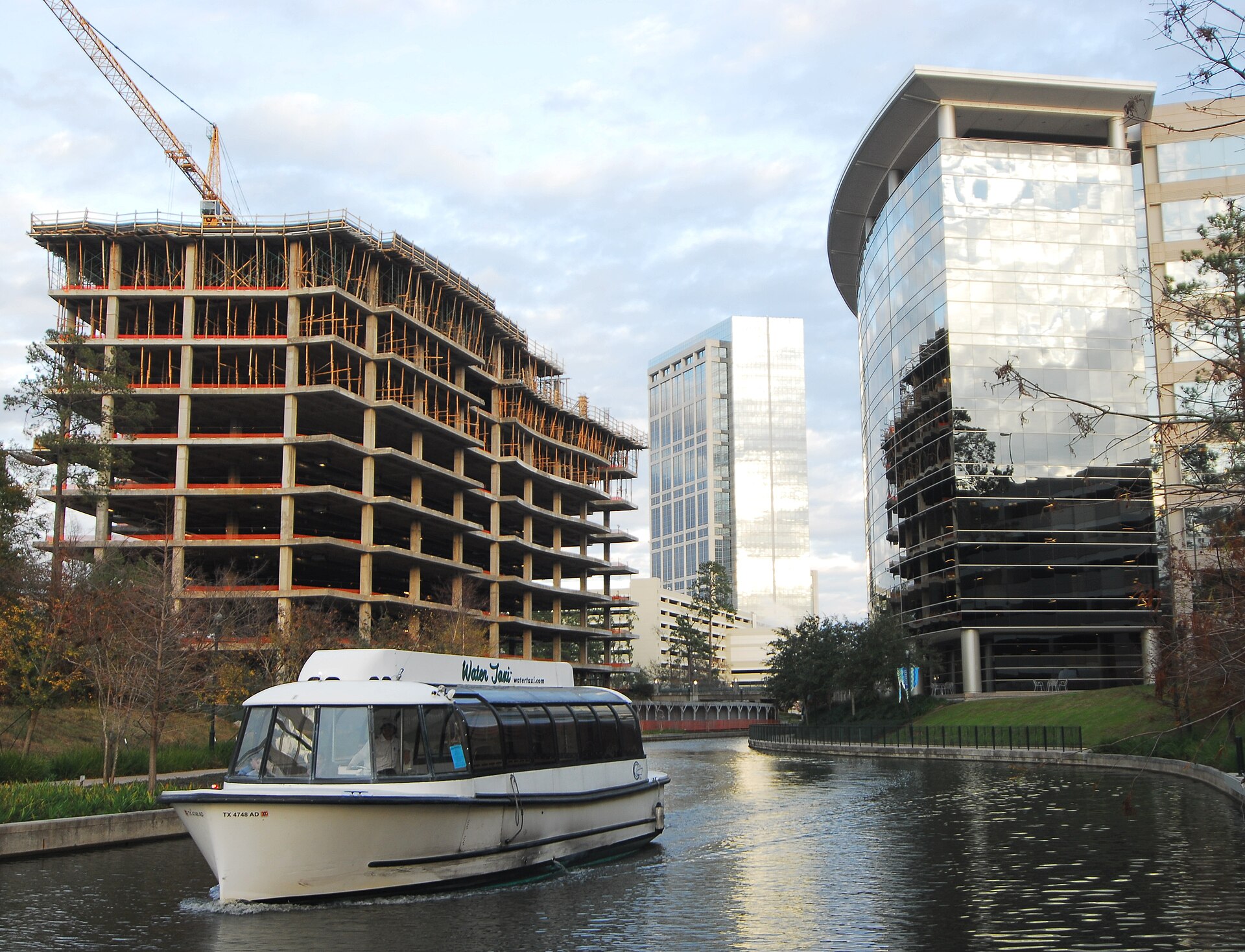
    Water taxi on The Woodlands Waterway, the setting for this social media example
    The Woodlands Waterway in The Woodlands, Texas. Photo: Photolitherland, Wikimedia Commons, CC BY-SA 3.0.

    Can social media posts be used as evidence in Texas?

    Yes. Under the Texas Rules of Evidence, a statement is not hearsay when it is offered against the party who made it. Tex. R. Evid. 801(e)(2). Because Maria’s post is her own statement, the other driver’s side can offer it against her. As a result, a caption, a comment, or a photo she shared can come up in the case.

    In addition, the other side can ask for relevant posts during discovery, the stage where each side gathers evidence. Texas rules allow discovery of any matter that is not privileged and is relevant to the subject matter of the case. Tex. R. Civ. P. 192.3(a). For posts and other digital material, the requesting party must specifically ask for electronic data and say what form it wants. Tex. R. Civ. P. 196.4.

    Limits on social media requests that protect injured people

    However, broad discovery does not mean unlimited discovery. The Texas Supreme Court has said that discovery requests must show a reasonable expectation of producing information that will help resolve the dispute. In short, they must be “reasonably tailored” to include only relevant matters. In re CSX Corp., 124 S.W.3d 149, 152 (Tex. 2003). In other words, a request for Maria’s posts must be tied to the issues in her case, such as the crash and her injuries.

    Also, a person facing a discovery request can ask the court for a protective order, so the judge decides whether a disputed request goes too far. The court can act to protect against undue burden, unnecessary expense, harassment, annoyance, or invasion of personal, constitutional, or property rights. Tex. R. Civ. P. 192.6(b). That rule gives injured people a way to push back on requests that reach into private life.

    Why deleting old posts can backfire

    After a crash, deleting old posts can seem like a simple fix. However, Texas law puts a duty to preserve evidence on a party who knows or reasonably should know that there is a substantial chance a claim will be filed. The duty covers evidence in that party’s possession or control that will be material and relevant to the claim. Brookshire Bros., Ltd. v. Aldridge, 438 S.W.3d 9, 20 (Tex. 2014). If a court finds that evidence was lost in breach of that duty, it has broad discretion to choose a remedy. Even so, that remedy must be proportionate to the conduct. Id. at 14.

    Also, the same duty applies to the other side. For example, once a claim is likely, the driver who hit Maria must also preserve relevant evidence in that driver’s possession or control.

    Social media after a crash in The Woodlands

    The crash in this example happened in The Woodlands, but nothing about these rules is local. Instead, they come from statewide rules of evidence and civil procedure and from Texas Supreme Court decisions, so they apply in every Texas trial court. For example, the same rules would apply to a crash on Interstate 45 in Houston or in Dallas. For more on documenting a claim, see the after-a-crash checklist and the legal glossary.

    This article is general information about Texas law. If you need legal advice about your own situation, contact a licensed attorney.

    Supporting text

    The exact language behind each part of this social media article, in the order it is cited.

    Tex. R. Evid. 801(e)(2)

    Supports: first, the point that a person’s own social media post can be used against that person, because this rule says an opposing party’s own statement is not hearsay.

    (e) Statements That Are Not Hearsay. A statement that meets the following conditions is not hearsay: … (2) An Opposing Party’s Statement. The statement is offered against an opposing party and: (A) was made by the party in an individual or representative capacity;

    Tex. R. Civ. P. 192.3(a)

    Supports: the broad scope of discovery, because this rule allows discovery of any matter that is not privileged and is relevant.

    (a) Generally. In general, a party may obtain discovery regarding any matter that is not privileged and is relevant to the subject matter of the pending action, whether it relates to the claim or defense of the party seeking discovery or the claim or defense of any other party. …

    In re CSX Corp., 124 S.W.3d 149, 152 (Tex. 2003)

    Supports: the limit that requests must be reasonably tailored, because the court held that discovery requests must include only relevant matters.

    Although the scope of discovery is broad, requests must show a reasonable expectation of obtaining information that will aid the dispute’s resolution. American Optical, 988 S.W.2d at 713. Thus, discovery requests must be “reasonably tailored” to include only relevant matters.

    Tex. R. Civ. P. 192.6(b)

    Supports: the protective order statement, because this rule lets the court protect against harassment and invasion of personal rights.

    (b) Order. To protect the movant from undue burden, unnecessary expense, harassment, annoyance, or invasion of personal, constitutional, or property rights, the court may make any order in the interest of justice …

    Tex. R. Civ. P. 196.4

    Supports: the rule for requesting social media and other electronic data, because the requesting party must specifically ask for it and name the form.

    To obtain discovery of data or information that exists in electronic or magnetic form, the requesting party must specifically request production of electronic or magnetic data and specify the form in which the requesting party wants it produced.

    Brookshire Bros., Ltd. v. Aldridge, 438 S.W.3d 9, 20 (Tex. 2014)

    Supports: the duty to preserve evidence, because the court explained when that duty arises and what evidence it covers.

    Specifically, we observed in Wal-Mart Stores that “[s]uch a duty arises only when a party knows or reasonably should know that there is a substantial chance that a claim will be filed and that evidence in its possession or control will be material and relevant to that claim.”

    Brookshire Bros., Ltd. v. Aldridge, 438 S.W.3d 9, 14 (Tex. 2014)

    Supports: finally, the court’s power to choose a proportionate remedy, because this passage gives the trial court broad discretion within that limit.

    Upon a finding of spoliation, the trial court has broad discretion to impose a remedy that, as with any discovery sanction, must be proportionate; that is, it must relate directly to the conduct giving rise to the sanction and may not be excessive.
  • Texas Dog Bite: The Powerful Owner Rule Behind Painful Attacks

    Texas Dog Bite: The Powerful Owner Rule Behind Painful Attacks

    Texas dog bite: the short answer

    In a Texas dog bite case, an owner who had reason to know the dog was dangerous can be liable even after using the utmost care. Marshall v. Ranne, 511 S.W.2d 255, 258 (Tex. 1974). In addition, the owner of a dog with no such history can still be liable for handling it negligently. Id. at 259.

    For example, say Maya is bitten by a neighbor’s dog while walking in the Spring Branch area of Houston. Because these rules are statewide, Houston is only the setting.

    A barking dog with bared teeth, the subject of this Texas dog bite example
    A barking dog. Photo: Josh Plueger, U.S. Air Force, public domain.

    When a Texas dog bite brings strict liability

    First, an owner who has reason to know a domestic animal has dangerous tendencies unusual for its kind is liable for the harm it causes, even after using the utmost care. Marshall, 511 S.W.2d at 258. However, that rule does not protect trespassers on the owner’s land. Id. Also, it is enough that the owner should have known about the danger. Id. As a result, if the owner had reason to know, Maya does not have to prove the owner was careless.

    A Texas dog bite with no warning signs

    Even so, the owner of a dog with no dangerous history may still be liable for negligent handling. Id. at 259. For more detail on filing deadlines, see the statute of limitations.

    This article is general information about Texas law. If you need legal advice about your own situation, contact a licensed attorney.

    Supporting text

    The exact language behind each part of this Texas dog bite article, in the order it is cited.

    Marshall v. Ranne, 511 S.W.2d 255, 258 (Tex. 1974)

    Supports: first, the strict liability rule and the trespasser exception, because the court adopted this Restatement rule.

    The correct rule is expressed in Restatement of Torts §§ 507, 509 (1938): … § 509. HARM DONE BY ABNORMALLY DANGEROUS DOMESTIC ANIMALS. Except as stated in § 517, a possessor of a domestic animal which he has reason to know has dangerous propensities abnormal to its class, is subject to liability for harm caused thereby to others, except trespassers on his land, although he has exercised the utmost care to prevent it from doing the harm.

    Marshall, 511 S.W.2d at 259

    Supports: in addition, the negligent handling rule for a Texas dog bite, because the court says so directly here.

    All animals are not vicious and a possessor of a non-vicious animal may be subject to liability for his negligent handling of such an animal.

    Marshall, 511 S.W.2d at 258

    Supports: also, the point that should have known is enough, because the court treats the two phrases the same.

    The Restatement, quoted above, uses the phrase “has reason to know” and the fourth special issue submitted in this case used the phrase “should have known.” There is no essential distinction between the two terms …
  • Tolling for Minors: Do Kids Really Get Powerful Extra Time?

    Tolling for Minors: Do Kids Really Get Powerful Extra Time?

    Tolling for minors: the short answer

    Tolling for minors pauses the Texas injury deadline while the injured person is younger than 18. Tex. Civ. Prac. & Rem. Code Ann. § 16.001(a)(1). In other words, the time before the 18th birthday is not counted toward the limitations period. Id. § 16.001(b).

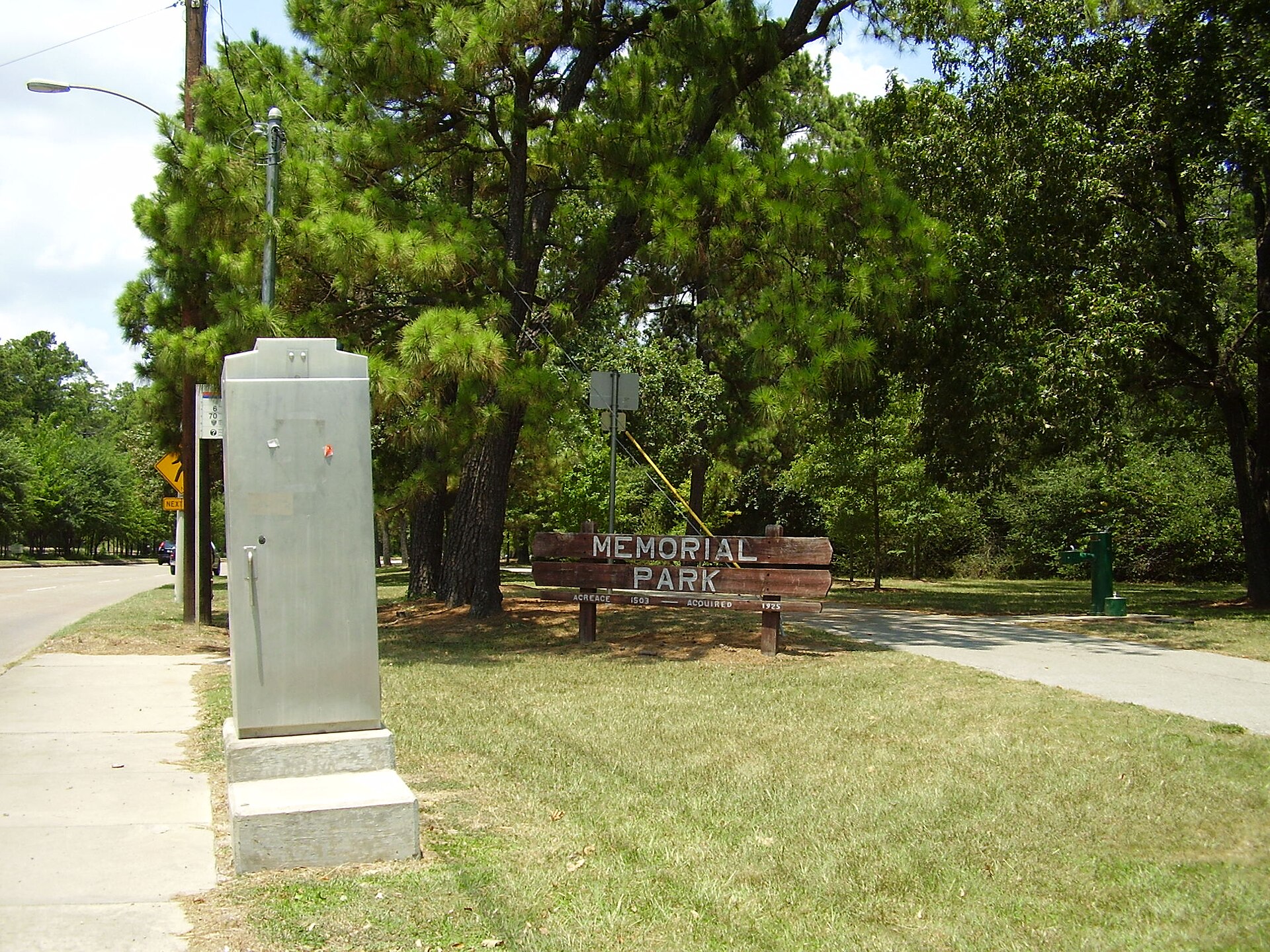
    Tolling for minors gives injured children extra time to bring a claim. For example, say Maya is 15 when a driver hits her bike near Memorial Park in Houston. Because the rule is statewide, Memorial Park is only the setting.

    Memorial Park sign beside a road in Houston, the setting for this tolling for minors example
    The Memorial Park sign in Houston. Photo: WhisperToMe, Wikimedia Commons, public domain.

    How tolling for minors works after a Memorial Park crash

    Normally, a personal injury lawsuit must be filed within two years after the claim accrues. Id. § 16.003(a). However, the other side may point to the crash date and argue that time has run. Even so, the years before Maya turns 18 do not count. Id. § 16.001(b). As a result, her two-year clock starts on her 18th birthday. See id. § 16.001(b); id. § 16.003(a). The same protection covers a person of unsound mind. Id. § 16.001(a)(2).

    Where tolling for minors stops

    The pause does have limits. First, a disability that begins after the clock starts does not stop it. Id. § 16.001(d). Also, a person cannot tack one disability onto another to stretch the deadline. Id. § 16.001(c).

    For more detail, see the statute of limitations for adults and the Texas deadlines tool.

    This article is general information about Texas law. If you need legal advice about your own situation, contact a licensed attorney.

    Supporting text

    The exact language behind each part of this tolling for minors entry, in the order it is cited.

    Tex. Civ. Prac. & Rem. Code Ann. § 16.001(a)

    Supports: the short answer and the unsound-mind point, because this subsection lists being younger than 18 and being of unsound mind as legal disabilities.

    (a) For the purposes of this subchapter, a person is under a legal disability if the person is: (1) younger than 18 years of age, regardless of whether the person is married; or (2) of unsound mind.

    Id. § 16.001(b)

    Supports: the pause itself, because this subsection leaves the time of the disability out of the limitations period.

    (b) If a person entitled to bring a personal action is under a legal disability when the cause of action accrues, the time of the disability is not included in a limitations period.

    Id. § 16.003(a)

    Supports: the usual two-year deadline, because this subsection requires personal injury suits within two years after the cause of action accrues.

    (a) Except as provided by Sections 16.010, 16.0031, and 16.0045, a person must bring suit for … personal injury … not later than two years after the day the cause of action accrues.

    Id. § 16.001(d)

    Supports: the first limit, because this subsection says a later disability does not stop a clock that has already started.

    (d) A disability that arises after a limitations period starts does not suspend the running of the period.

    Id. § 16.001(c)

    Supports: the second limit, because this subsection bars adding one disability to another.

    (c) A person may not tack one legal disability to another to extend a limitations period.
  • 51 Percent Rule: Really Powerful Help When You Share Blame

    51 Percent Rule: Really Powerful Help When You Share Blame

    51 percent rule: the short answer

    Under the 51 percent rule, an injured person who is partly at fault can still recover damages, as long as their share of responsibility is not greater than 50 percent. Tex. Civ. Prac. & Rem. Code Ann. § 33.001. In that case, the award shrinks by the injured person’s own percentage. Id. § 33.012(a).

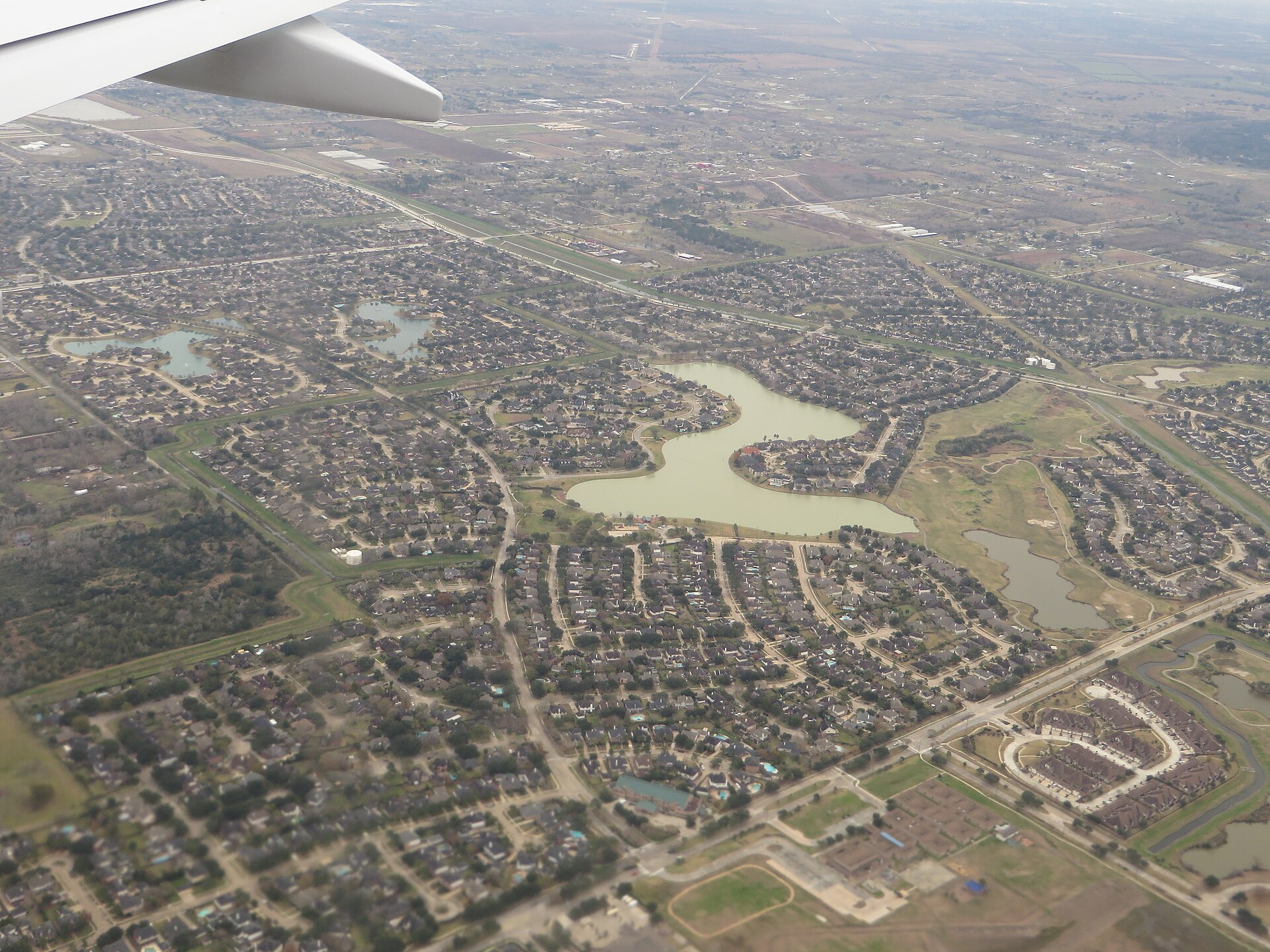
    The 51 percent rule is a common name for Texas proportionate responsibility, and it protects injured people who made a small mistake. For example, say Rosa is hit while merging onto State Highway 288 in Pearland (77584). Because the rule is statewide, Pearland is only the setting.

    Aerial view of homes and a lake in Pearland, Texas, the setting for this 51 percent rule example
    An aerial view of Pearland. Photo: Ken Lund, Wikimedia Commons, CC BY-SA 2.0.

    Who sets the percentages under the 51 percent rule

    First, the jury (or judge) gives each person a share of responsibility, stated in whole numbers. Id. § 33.003(a). That list can include the injured person, each defendant, anyone who settled, and any designated responsible third party. Id.. However, the other driver’s insurer may argue that Rosa shares the blame. Even so, no one’s conduct can go to the jury without sufficient evidence to support it. Id. § 33.003(b).

    How the 51 percent rule plays out on SH 288 in Pearland

    Because shares are whole numbers, 51 percent is the first share that bars recovery. Id. §§ 33.001, 33.003(a). For example, if the jury finds Rosa 20 percent responsible, her damages drop by 20 percent. Id. § 33.012(a). In addition, even at exactly 50 percent, she still recovers half. See id. § 33.001; id. § 33.012(a). At 51 percent, however, she recovers nothing. Id. § 33.001.

    For more detail, see the negligence definition and the legal glossary.

    This article is general information about Texas law. If you need legal advice about your own situation, contact a licensed attorney.

    Supporting text

    The exact language behind each part of this 51 percent rule, in the order it is cited.

    Tex. Civ. Prac. & Rem. Code Ann. § 33.001

    Supports: the core of the short answer, because this section bars recovery only when the claimant’s share is greater than 50 percent.

    In an action to which this chapter applies, a claimant may not recover damages if his percentage of responsibility is greater than 50 percent.

    Id. § 33.012(a)

    Supports: the reduction of the award, because this subsection cuts damages by the claimant’s own percentage.

    (a) If the claimant is not barred from recovery under Section 33.001, the court shall reduce the amount of damages to be recovered by the claimant with respect to a cause of action by a percentage equal to the claimant’s percentage of responsibility.

    Id. § 33.003(a)

    Supports: who receives a share, because this subsection tells the trier of fact to set whole-number percentages for each listed person.

    (a) The trier of fact, as to each cause of action asserted, shall determine the percentage of responsibility, stated in whole numbers, for the following persons with respect to each person’s causing or contributing to cause in any way the harm for which recovery of damages is sought, … : (1) each claimant; (2) each defendant; (3) each settling person; and (4) each responsible third party who has been designated under Section 33.004.

    Id. § 33.003(b)

    Supports: the limit on blame arguments, because this subsection requires sufficient evidence before anyone’s conduct goes to the jury.

    (b) This section does not allow a submission to the jury of a question regarding conduct by any person without sufficient evidence to support the submission.
  • Venue Rules: Which County Will Hear Your Injury Case Now?

    Venue Rules: Which County Will Hear Your Injury Case Now?

    Venue rules: the short answer

    In short, Texas venue rules decide which county can hear an injury lawsuit, and the first listed choice is the county where all or a substantial part of the events happened. Tex. Civ. Prac. & Rem. Code Ann. § 15.002(a)(1). However, a defendant who objects to venue must do so by written motion early in the case, or the objection is waived. Tex. R. Civ. P. 86(1).

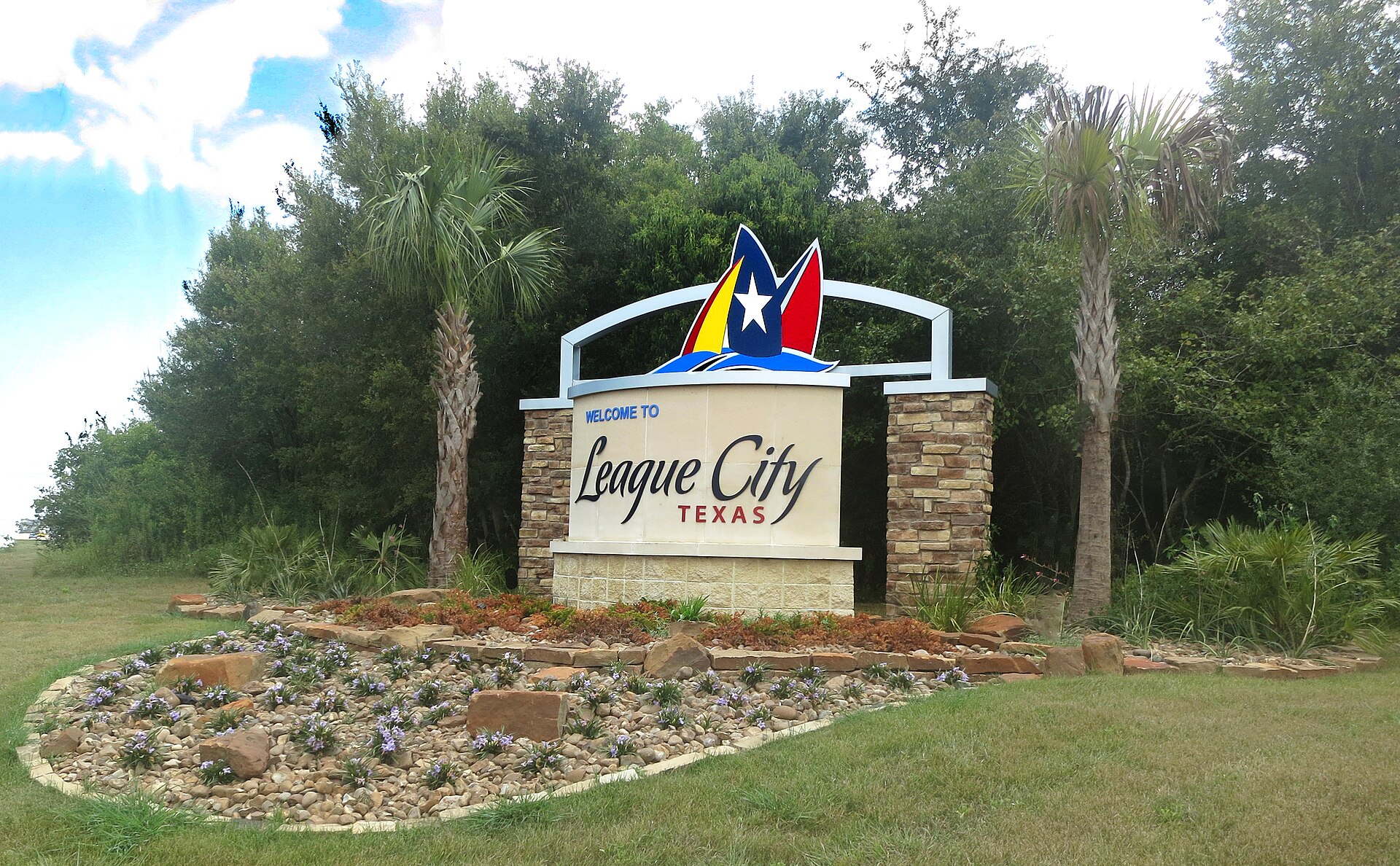
    For example, picture an invented driver, Lee, injured in a League City crash on Interstate 45. Because these venue rules are statewide, this League City crash lawsuit is only an example. For more detail, see the League City city guide and the legal glossary.

    The Welcome to League City sign in League City, Texas, the setting for this venue rules example
    The welcome sign entering League City. Photo: Jim Evans, Wikimedia Commons, CC BY-SA 4.0.

    Venue rules for a League City crash lawsuit

    First, under these venue rules, if the crash happened in the Galveston County part of League City, Galveston County is a proper county. Tex. Civ. Prac. & Rem. Code Ann. § 15.002(a)(1). In addition, the suit may be brought where the at-fault driver lived when the claim arose. Id. § 15.002(a)(2). Also, for a company, it is the county of its principal Texas office. Id. § 15.002(a)(3).

    How venue rules limit a defendant’s objections

    Because timing matters under venue rules, an improper-venue objection is waived unless the defendant makes it by written motion before or with any other plea, with one narrow exception. Tex. R. Civ. P. 86(1). Even when another county is also proper, a convenience transfer requires findings, including that it would not work an injustice to any other party. Tex. Civ. Prac. & Rem. Code Ann. § 15.002(b). Finally, for more on crash claims, read car accident claims in Texas.

    This article is general information about Texas law. If you need legal advice about your own situation, contact a licensed attorney.

    Supporting text

    The exact language behind each part of these venue rules, in the order it is cited. For more detail, each entry quotes the statute or rule itself. Also, each quote is copied from the official text. Then each note explains the statement it supports.

    Tex. Civ. Prac. & Rem. Code Ann. § 15.002(a)(1)

    Supports: the county where the crash happened as a proper venue, because this subsection lists it first among the venue rules. For example, a crash in the Galveston County part of League City makes Galveston County a proper venue. Also, this rule applies statewide. Then a suit may be brought in that county.

    (a) Except as otherwise provided by this subchapter or Subchapter B or C, all lawsuits shall be brought: (1) in the county in which all or a substantial part of the events or omissions giving rise to the claim occurred;

    Tex. R. Civ. P. 86(1)

    Supports: the waiver of a late venue objection, because this rule requires a timely written motion. In other words, a defendant who files other pleadings first, without the motion, loses the objection. Also, the motion must be in writing. However, the parties may agree in writing to transfer the case at any time.

    1. Time to File. An objection to improper venue is waived if not made by written motion filed prior to or concurrently with any other plea, pleading or motion except a special appearance motion provided for in Rule 120a. A written consent of the parties to transfer the case to another county may be filed with the clerk of the court at any time.

    Venue rules for where defendants live or have offices

    Tex. Civ. Prac. & Rem. Code Ann. § 15.002(a)(2)

    Supports: the at-fault driver’s home county, because this subsection makes it a proper venue when the defendant is a person. For example, the county where the other driver lived when the crash happened can also qualify. Also, this applies only when the defendant is a natural person. Then the residence is fixed as of the time the claim accrued.

    (2) in the county of defendant’s residence at the time the cause of action accrued if defendant is a natural person;

    Tex. Civ. Prac. & Rem. Code Ann. § 15.002(a)(3)

    Supports: the principal office rule for companies, because this subsection covers defendants who are not natural persons. In contrast, subsection (a)(2) covers individual drivers. For example, a company with its principal Texas office in Dallas County can be sued there. Also, this applies only to defendants that are not natural persons.

    (3) in the county of the defendant’s principal office in this state, if the defendant is not a natural person;


    Tex. Civ. Prac. & Rem. Code Ann. § 15.002(b)

    Supports: the findings needed for a convenience transfer under these venue rules, because the court must find all three. In other words, the court must make each of these findings before a convenience transfer. Also, the motion must be filed and served with or before the answer. However, this rule moves a case only between counties of proper venue.

    (b) For the convenience of the parties and witnesses and in the interest of justice, a court may transfer an action from a county of proper venue under this subchapter or Subchapter C to any other county of proper venue on motion of a defendant filed and served concurrently with or before the filing of the answer, where the court finds: (1) maintenance of the action in the county of suit would work an injustice to the movant considering the movant’s economic and personal hardship; (2) the balance of interests of all the parties predominates in favor of the action being brought in the other county; and (3) the transfer of the action would not work an injustice to any other party.
  • Injury Lawsuit Timeline: What Happens Now From Petition to Jury

    Injury Lawsuit Timeline: What Happens Now From Petition to Jury

    Injury lawsuit timeline: the short answer

    No Texas rule sets one injury lawsuit timeline. Instead, several clocks shape it. First, the defendant must answer by 10:00 a.m. on the Monday after 20 days pass from service. Tex. R. Civ. P. 99(b). In addition, judges should, so far as reasonably possible, bring civil jury cases to trial or final disposition within 18 months from the appearance date. Tex. R. Jud. Admin. 6.1(a)(1).

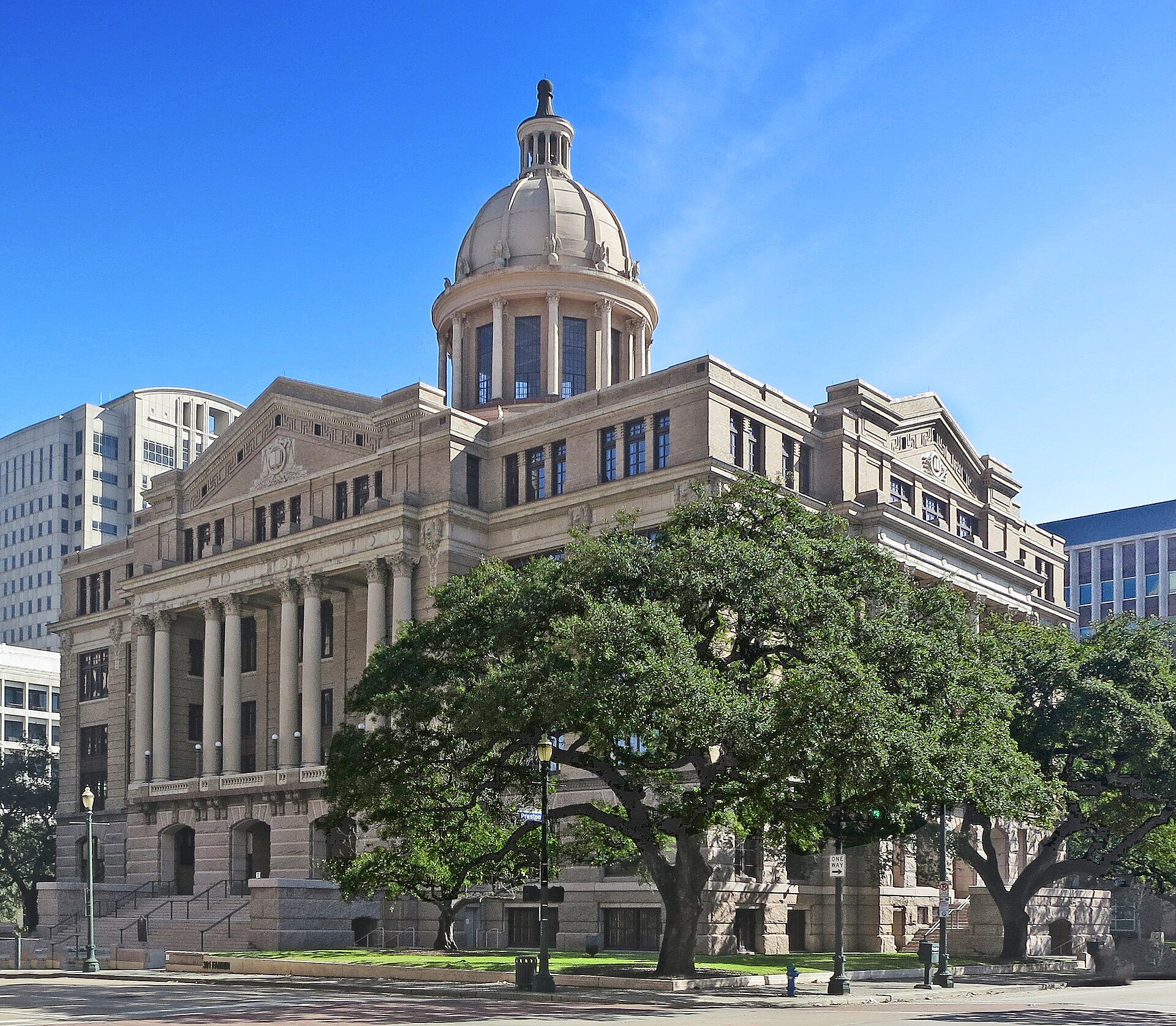
    For example, imagine an invented driver, Ana, hurt in a crash in Spring Branch who sues in Harris County. Because her Harris County injury lawsuit follows statewide rules, this injury lawsuit timeline works the same anywhere in Texas. For more detail, see the Houston city guide and the Texas deadlines tool.

    The restored 1910 Harris County Courthouse in downtown Houston, the setting for this injury lawsuit timeline example
    The restored 1910 Harris County Courthouse in downtown Houston. Photo: i_am_jim, Wikimedia Commons, CC BY-SA 3.0.

    The petition starts the injury lawsuit timeline

    First, Ana starts her injury lawsuit timeline with an original petition stating the range of money relief she seeks, such as over $1,000,000. Tex. R. Civ. P. 47(c). Also, she names a discovery level in its first numbered paragraph. Tex. R. Civ. P. 190.1. Then she must get the citation and petition served. Tex. R. Civ. P. 99(a). Even so, the citation protects her: it warns that a default judgment may be rendered if no answer is filed. Tex. R. Civ. P. 99(b).

    Discovery in a Harris County injury lawsuit timeline

    In addition, under Level 2 of this injury lawsuit timeline, discovery runs from the first initial disclosures until the earlier of 30 days before trial or nine months after those disclosures were due. Tex. R. Civ. P. 190.3(b)(1)(A). As a result, both sides gather evidence within set limits. Finally, for the deadline to file in the first place, read the two-year statute of limitations.

    This article is general information about Texas law. If you need legal advice about your own situation, contact a licensed attorney.

    Supporting text

    The exact language behind each part of this injury lawsuit timeline, in the order it is cited. For more detail, each entry quotes the rule itself. Also, each quote is copied from the official text. Then each note explains the statement it supports.

    Tex. R. Civ. P. 99(b)

    Supports: the answer deadline and the default judgment warning in this injury lawsuit timeline, because the citation must contain both. In other words, the citation itself tells the defendant the deadline and the risk of a default. Also, the answer is due by 10:00 a.m. on that Monday. Then the defendant has until that time to file a written answer.

    … (12) notify the defendant that in case of failure of defendant to file and answer, judgment by default may be rendered for the relief demanded in the petition, … The citation shall direct the defendant to file a written answer to the plaintiff’s petition on or before 10:00 a.m. on the Monday next after the expiration of twenty days after the date of service thereof.

    Tex. R. Jud. Admin. 6.1(a)(1)

    Supports: the 18-month standard for civil jury cases, because this rule sets the time standards judges should follow. In other words, it is a goal for judges, not a promised trial date. Then the 18 months run from the appearance date.

    District, statutory county, and business court judges should, so far as reasonably possible, ensure that all cases are brought to trial or final disposition in conformity with the following time standards: (a) Civil Cases Other Than Family Law. (1) Civil Jury Cases. Within 18 months from appearance date.

    Tex. R. Civ. P. 47(c)

    Supports: the statement of relief in the petition, because this rule lists the ranges a petition must choose from. As a result, an injury petition states one of these ranges. For example, a petition may seek monetary relief over $1,000,000. Also, the first range excludes interest, penalties, and fees.

    (c) except in suits governed by the Family Code, a statement that the party seeks: (1) only monetary relief of $325,000 or less, excluding interest, statutory or punitive damages and penalties, and attorney fees and costs; (2) monetary relief of $325,000 or less and non-monetary relief; (3) monetary relief over $325,000 but not more than $1,000,000; (4) monetary relief over $1,000,000; or (5) only non-monetary relief; and

    Discovery and service rules in this injury lawsuit timeline

    Tex. R. Civ. P. 190.1

    Supports: the discovery level named in the petition, because this rule requires the plaintiff to allege it in the first numbered paragraph. For example, a petition may plead Level 2. Then the level guides the discovery limits that follow.

    A plaintiff must allege in the first numbered paragraph of the original petition whether discovery is intended to be conducted under Level 1, 2, or 3 of this Rule.

    Tex. R. Civ. P. 99(a)

    Supports: the step of serving the citation, because this rule puts that job on the party who requests it. In other words, the plaintiff, not the clerk, arranges service. Also, the clerk issues the citation when requested.

    The party requesting citation shall be responsible for obtaining service of the citation and a copy of the petition.

    Tex. R. Civ. P. 190.3(b)(1)(A)

    Supports: the Level 2 discovery period in this injury lawsuit timeline, because this rule sets when it starts and ends. As a result, Level 2 discovery closes no later than nine months after the first initial disclosures are due. Also, the period starts when the first initial disclosures are due. For example, if trial is set sooner, discovery ends 30 days before trial.

    (A) In a suit not governed by the Family Code, all discovery must be conducted during the discovery period, which begins when the first initial disclosures are due and continues until the earlier of: (i) 30 days before the date set for trial; or (ii) nine months after the first initial disclosures are due.
  • Loss of Consortium: A Child’s Hidden Loss Can Count Now

    Loss of Consortium: A Child’s Hidden Loss Can Count Now

    Loss of consortium: the short answer

    Loss of consortium is the loss of a close family relationship caused by an injury to a loved one. In Reagan v. Vaughn, the Supreme Court of Texas held that children may recover for loss of consortium when a third party causes serious, permanent, and disabling injuries to their parent. Reagan v. Vaughn, 804 S.W.2d 463, 467 (Tex. 1990).

    This loss of consortium rule came from a Pasadena, Texas case: a father suffered a severe brain injury in the parking lot of a Pasadena bar, and his daughter sued. Id. at 464. However, the rule applies statewide. See the Pasadena city guide for local context.

    The City of Pasadena, Texas welcome sign, the setting for this loss of consortium example
    The City of Pasadena welcome sign. Photo: WhisperToMe, Wikimedia Commons, CC0.

    What a child can recover for loss of consortium in Pasadena and statewide

    For example, picture Maya, an invented Pasadena fourth grader whose mother is badly hurt by a careless driver. Under Reagan, a child may recover non-pecuniary damages such as the loss of the parent’s love, affection, protection, emotional support, services, companionship, care, and society. Id. at 467. In other words, Texas law counts losses that never come with a receipt.

    What a loss of consortium claim must show

    Even so, the claim has limits. First, the parent’s injury must be serious, permanent, and disabling. Id.. Also, the child must show that the defendant physically injured the parent in a way that makes the defendant liable. Id.. Then the jury may weigh factors such as how severe the injury is and its actual effect on the parent-child relationship. Id.. For more detail, read how noneconomic damages work.

    This article is general information about Texas law. If you need legal advice about your own situation, contact a licensed attorney.

    Supporting text

    The exact language behind each part of this loss of consortium article, in the order it is cited.

    Reagan v. Vaughn, 804 S.W.2d 463, 467 (Tex. 1990)

    Supports: the loss of consortium holding, because this passage states that children may recover when a third party causes serious, permanent, and disabling injuries to their parent.

    We hold that children may recover for loss of consortium when a third party causes serious, permanent, and disabling injuries to their parent.

    Reagan, 804 S.W.2d at 464

    Supports: where the case arose, because this passage places the injury in the parking lot of a bar in Pasadena, Texas.

    David Reagan was involved in a fight with another patron in the parking lot of K-Jacs Saloon in Pasadena, Texas. . . . Reagan suffered a severe brain injury . . . . Reagan and his minor daughter, Julia, sued . . . .

    Reagan, 804 S.W.2d at 467

    Supports: the list of losses a child may recover, because this passage names each non-pecuniary loss of consortium item.

    The child may recover for such non-pecuniary damages as loss of the parent’s love, affection, protection, emotional support, services, companionship, care, and society.

    Reagan, 804 S.W.2d at 467

    Supports: what the child must prove, because this passage requires a physical injury to the parent that would make the defendant liable.

    In order to successfully maintain a claim for loss of parental consortium resulting from injury to the parent-child relationship, the plaintiff must show that the defendant physically injured the child’s parent in a manner that would subject the defendant to liability.

    Reagan, 804 S.W.2d at 467

    Supports: the factors a jury may weigh, because this passage lists the severity of the injury and its effect on the relationship.

    Factors that the jury may consider in determining the amount of damages include, but are not limited to, the severity of the injury to the parent and its actual effect upon the parent-child relationship, the child’s age, the nature of the child’s relationship with the parent, the child’s emotional and physical characteristics, and whether other consortium giving relationships are available to the child.
  • Prejudgment Interest: How Does a Painful Wait Add Money Now?

    Prejudgment Interest: How Does a Painful Wait Add Money Now?

    Prejudgment interest: the short answer

    In Texas, a judgment in a personal injury case generally earns prejudgment interest. Tex. Fin. Code Ann. § 304.102. That interest runs for a period before the judgment and ends the day before judgment is rendered. Id. § 304.104.

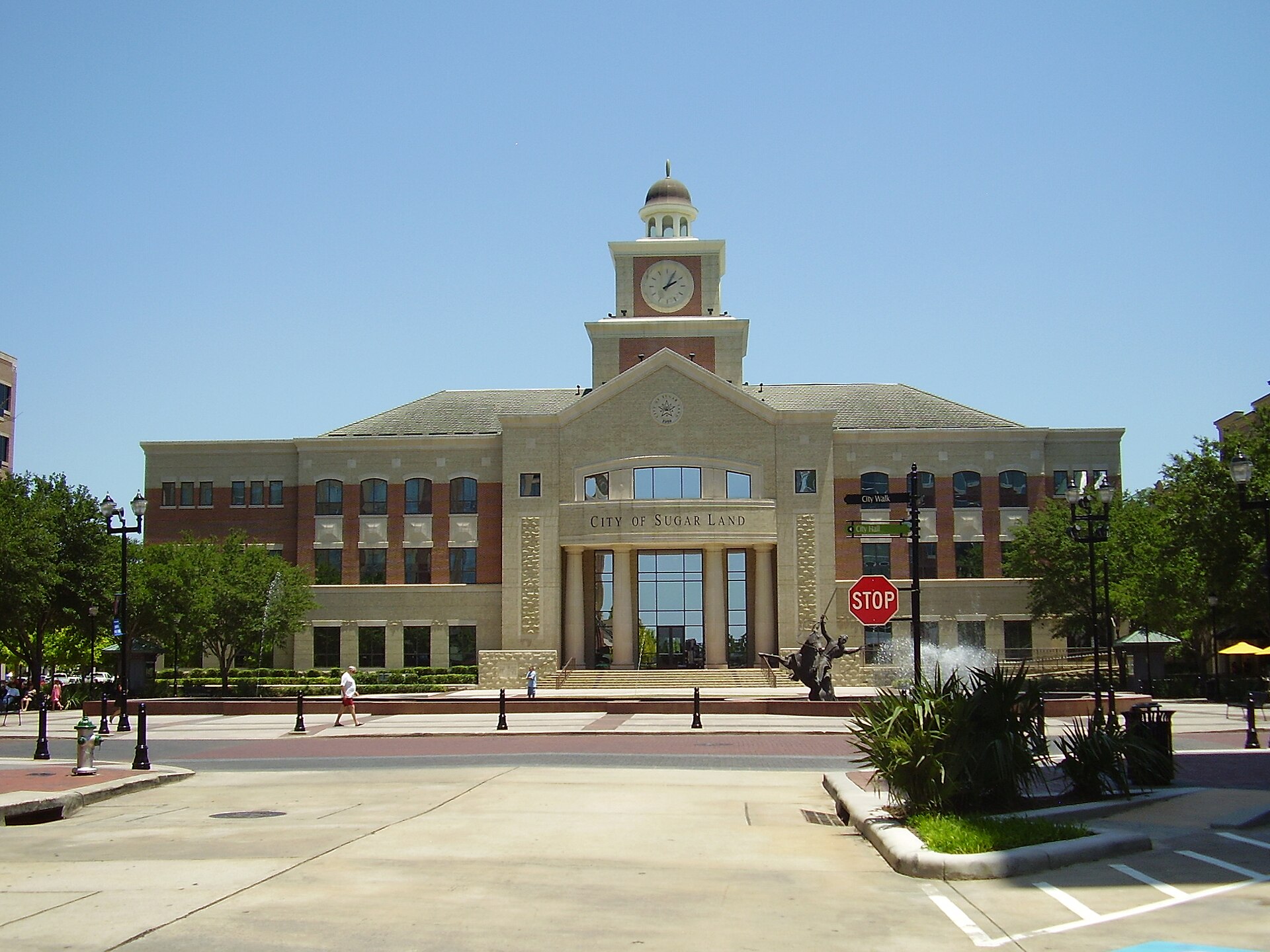
    To illustrate, here is how prejudgment interest works in a Texas injury case, using an example in Sugar Land, the Fort Bend County city where State Highway 6 meets Interstate 69/U.S. 59. However, the rule is the same statewide. Also, for local context, see the Sugar Land city guide.

    Sugar Land City Hall with its clock tower under a blue sky, the setting for this prejudgment interest example
    Sugar Land City Hall. Photo: WhisperToMe, Wikimedia Commons, public domain.

    When prejudgment interest starts in a Sugar Land case

    For example, picture Luis, an invented driver hurt in a crash on State Highway 6 in Sugar Land. Generally, prejudgment interest starts on the earlier of two dates: the 180th day after the defendant receives written notice of his claim, or the day he files suit. Id. § 304.104. As a result, written notice can start the clock before any lawsuit is filed. Id.

    How prejudgment interest is calculated

    Specifically, the rate equals the postjudgment interest rate at the time of judgment. Id. § 304.103. That rate follows the prime rate, though it is never less than 5 percent or more than 15 percent a year. Id. § 304.003(c). In addition, the interest is simple and does not compound. Id. § 304.104. However, prejudgment interest does not apply to future damages. Id. § 304.1045. For more detail, also see the car accidents page and the medical expense tracker.

    This article is general information about Texas law. If you need legal advice about your own situation, contact a licensed attorney.

    Supporting text

    The exact language behind each part of this prejudgment interest rule, in the order it is cited.

    Tex. Fin. Code Ann. § 304.102

    Supports: that a personal injury judgment earns this interest, because this section requires it by law.

    A judgment in a wrongful death, personal injury, or property damage case earns prejudgment interest.

    Tex. Fin. Code Ann. § 304.104

    Supports: when the interest starts and stops; in addition, this section says the interest is simple and does not compound.

    Except as provided by Section 304.105 or 304.108, prejudgment interest accrues on the amount of a judgment during the period beginning on the earlier of the 180th day after the date the defendant receives written notice of a claim or the date the suit is filed and ending on the day preceding the date judgment is rendered. Prejudgment interest is computed as simple interest and does not compound.

    Tex. Fin. Code Ann. § 304.103

    Supports: the prejudgment interest rate, because this section ties it to the postjudgment rate at the time of judgment.

    The prejudgment interest rate is equal to the postjudgment interest rate applicable at the time of judgment.

    Tex. Fin. Code Ann. § 304.003(c)

    Supports: the 5 percent floor and 15 percent ceiling; in other words, the rate tracks the prime rate within those limits.

    (c) The postjudgment interest rate is: (1) the prime rate as published by the Board of Governors of the Federal Reserve System on the date of computation; (2) five percent a year if the prime rate as published by the Board of Governors of the Federal Reserve System described by Subdivision (1) is less than five percent; or (3) 15 percent a year if the prime rate as published by the Board of Governors of the Federal Reserve System described by Subdivision (1) is more than 15 percent.

    Tex. Fin. Code Ann. § 304.1045

    Supports: the future damages limit; however, this section bars the interest only on awards of future damages.

    Prejudgment interest may not be assessed or recovered on an award of future damages.
  • Statute of Limitations: The Hidden Clock Ticking Now for Adults

    Statute of Limitations: The Hidden Clock Ticking Now for Adults

    Statute of limitations: the short answer

    Because of the Texas statute of limitations, most personal injury claims have a two-year deadline. In other words, an injured person generally must file suit within two years after the day the cause of action accrues. Tex. Civ. Prac. & Rem. Code Ann. § 16.003(a).

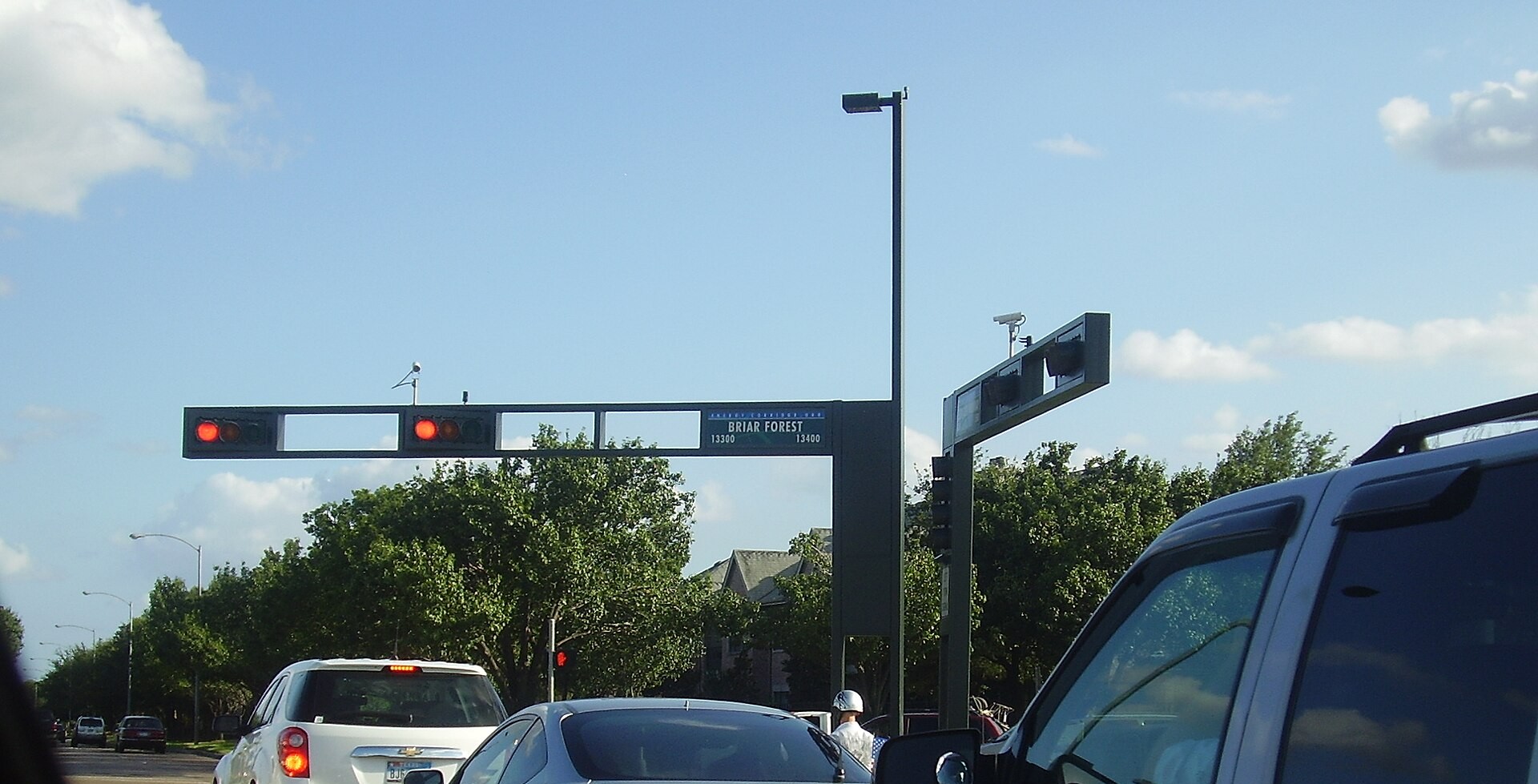
    To illustrate, here is how the Texas statute of limitations for personal injury works, shown with a crash example in Houston’s Energy Corridor. However, the rule is the same statewide. Also, for local context, see the Houston city guide.

    A traffic signal and Energy Corridor street sign at Briar Forest Drive in west Houston, the setting for this statute of limitations example
    Street signs at Briar Forest Drive also carry the Energy Corridor name (cropped). Photo: WhisperToMe, Wikimedia Commons, CC0.

    Statute of limitations after an Energy Corridor crash

    For example, picture Dana, an invented commuter hurt in a crash on Briar Forest Drive. In that case, the statute of limitations generally gives her two years after the day her claim accrues to file a lawsuit. Id. § 16.003(a). In addition, if the last day falls on a Saturday, Sunday, or holiday, the deadline moves to the next day county offices are open. Id. § 16.072. Finally, if an injury causes a death, the claim accrues on the date of death. Id. § 16.003(b).

    Statute of limitations protections when a child is hurt

    Because the law protects children, a person younger than 18 is under a legal disability, and so is a person of unsound mind. Id. § 16.001(a). As a result, the time a child is under 18 does not count, so the statute of limitations clock generally starts at age 18. Id. § 16.001(b). For more detail, also see the Texas deadlines tool and the car accidents page.

    This article is general information about Texas law. If you need legal advice about your own situation, contact a licensed attorney.

    Supporting text

    The exact language behind each part of this statute of limitations, in the order it is cited.

    Tex. Civ. Prac. & Rem. Code Ann. § 16.003(a)

    Supports: the two-year rule for personal injury suits, because this subsection sets the deadline for personal injury suits at two years after the claim accrues.

    (a) Except as provided by Sections 16.010, 16.0031, and 16.0045, a person must bring suit for … personal injury … not later than two years after the day the cause of action accrues.

    Tex. Civ. Prac. & Rem. Code Ann. § 16.072

    Supports: the weekend and holiday rule; in other words, a statute of limitations deadline that lands on one of those days moves to the next day county offices are open.

    If the last day of a limitations period under any statute of limitations falls on a Saturday, Sunday, or holiday, the period for filing suit is extended to include the next day that the county offices are open for business.

    Tex. Civ. Prac. & Rem. Code Ann. § 16.003(b)

    Supports: the death rule, because this subsection says a claim for injury resulting in death accrues on the date of death.

    (b) A person must bring suit not later than two years after the day the cause of action accrues in an action for injury resulting in death. The cause of action accrues on the death of the injured person.

    Tex. Civ. Prac. & Rem. Code Ann. § 16.001(a)

    Supports: that the statute of limitations protects children, because this passage defines a legal disability to include anyone younger than 18 and anyone of unsound mind.

    (a) For the purposes of this subchapter, a person is under a legal disability if the person is: (1) younger than 18 years of age, regardless of whether the person is married; or (2) of unsound mind.

    Tex. Civ. Prac. & Rem. Code Ann. § 16.001(b)

    Supports: that a child’s two-year clock waits, because the time of the disability is not included in the limitations period.

    (b) If a person entitled to bring a personal action is under a legal disability when the cause of action accrues, the time of the disability is not included in a limitations period.