Defective product injury: the short answer
A defective product injury in Texas can support a claim against the company that made the product, and in some cases against the store that sold it. Texas treats every claim against a maker or seller for harm from a defective product as one kind of case, called a products liability action. Tex. Civ. Prac. & Rem. Code Ann. § 82.001(2). In most cases, the injured person has two years to sue, and the suit must also be filed within 15 years of the product’s sale. Tex. Civ. Prac. & Rem. Code Ann. § 16.003(a); id. § 16.012(b).
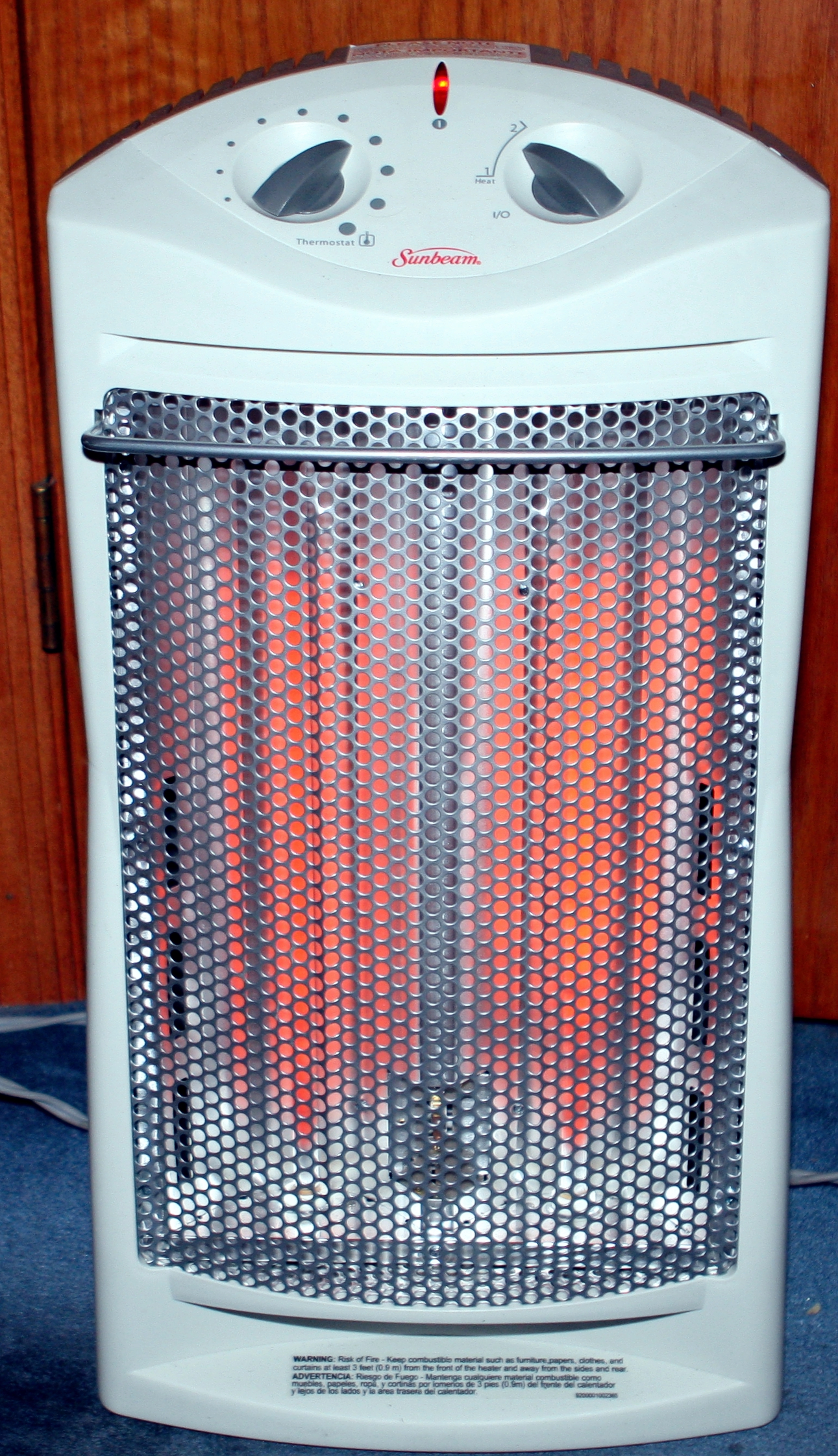
A defective product injury can come from almost anything sold in a store: a space heater, a ladder, a car part, or a phone battery. For example, say Nora buys a space heater for her home in Sugar Land, and it overheats and burns her hand and arm. This article walks through the Texas rules for a defective product injury like hers, from who can be held responsible to the deadline to sue. The rules are statewide, so Sugar Land is only the example.
What counts as a defective product claim in Texas?
Texas defines a products liability action broadly. It covers any suit against a manufacturer or seller for personal injury, death, or property damage allegedly caused by a defective product. Tex. Civ. Prac. & Rem. Code Ann. § 82.001(2). In addition, the claim can rest on strict liability, negligence, misrepresentation, breach of warranty, or a mix of theories. Id. In other words, the name of the legal theory does not change the basic rules below.
The same statute defines the companies involved. A manufacturer includes anyone who designs, makes, assembles, or rebuilds a product or a part of it and places it in the stream of commerce. Id. § 82.001(4). A seller is a business that distributes or otherwise places a product in the stream of commerce for a commercial purpose. Id. § 82.001(3). As a result, one heater can involve several companies: the brand, the maker of a heating part, and the store.
Who can be held responsible for a defective product injury?
The manufacturer is the main target in most cases. In fact, Texas law requires a manufacturer to indemnify and hold harmless a seller against loss from a products liability action. Tex. Civ. Prac. & Rem. Code Ann. § 82.002(a). However, that protection does not cover loss caused by the seller’s own negligence or misconduct. Id.
Also, a store that only sold the product is usually not liable for harm the product caused. Id. § 82.003(a). Instead, the injured person must prove one of the exceptions the statute lists. Id. For example, a seller can be liable if it took part in the design, altered or modified the product, or installed it on another product, and the harm came from that conduct. Id. § 82.003(a)(1)-(3).
The list goes further. A seller can also be liable if it made an incorrect factual statement about the product that the injured person relied on, or if it actually knew of the defect when it sold the product. Id. § 82.003(a)(5)-(6). Finally, the store can answer for the harm if the manufacturer is insolvent or is not subject to the court’s jurisdiction. Id. § 82.003(a)(7). That last rule matters when the brand on the box belongs to a company a Texas court cannot reach.
What must be proven when the design is the problem?
Some defects come from how every unit was designed, not from a mistake on one unit. For a design defect, the injured person must prove two things by a preponderance of the evidence. Tex. Civ. Prac. & Rem. Code Ann. § 82.005(a). First, there was a safer alternative design. Second, the defect was a producing cause of the injury. Id.
The statute also explains what a safer alternative design means. It is a different design that would have prevented or significantly reduced the risk of injury without substantially impairing the product’s usefulness. It also must have been economically and technologically feasible when the product left the maker’s or seller’s control. Id. § 82.005(b). For example, Nora’s claim could involve showing that a practical, safer heater design existed when her heater was made. Because this proof is technical, it often comes from engineers or other experts who examine the product.
How long do I have to sue after a defective product injury in Texas?
Texas gives most injury claims a two-year deadline. A personal injury suit must be brought no later than two years after the day the cause of action accrues. Tex. Civ. Prac. & Rem. Code Ann. § 16.003(a). Similarly, a claim for an injury that causes death must be brought within two years, and that claim accrues on the death. Id. § 16.003(b).
Product claims also face a second, outer limit called a statute of repose. In general, a products liability action must be filed before the end of 15 years after the date the defendant sold the product. Id. § 16.012(b). Even so, the statute has exceptions. One applies when the maker or seller promised in writing that the product has a useful safe life longer than 15 years. Id. § 16.012(c). As a result, an older product can raise a deadline problem even when the injury is new. The site’s Texas deadlines guide lists other time limits.
What the maker’s insurer may argue in a defective product injury claim
The manufacturer’s insurer may try to shift blame onto the injured person. For example, it may argue that Nora set the heater too close to a blanket or ignored the instructions. Texas handles that argument through proportionate responsibility. The jury assigns a percentage of responsibility to each claimant and each defendant, including for harm caused by a defective or unreasonably dangerous product. Tex. Civ. Prac. & Rem. Code Ann. § 33.003(a).
Those percentages then shape the recovery. An injured person whose share is greater than 50 percent recovers nothing. Id. § 33.001. Otherwise, the damages are reduced by the injured person’s own percentage. Id. § 33.012(a). In short, a finding that Nora was 20 percent responsible would cut her recovery by 20 percent, not erase it. The site’s guide to the Texas 51 percent rule explains this in more detail.
In addition, the insurer may argue that no safer alternative design existed, since the injured person carries that burden. Tex. Civ. Prac. & Rem. Code Ann. § 82.005(a). It may also point to the seller protections in the statute to keep a store out of the case. Id. § 82.003(a).
What can an injured person recover?
Texas law sorts damages into two main kinds. Economic damages compensate for actual economic or pecuniary loss, such as medical bills and lost pay. Tex. Civ. Prac. & Rem. Code Ann. § 41.001(4). Noneconomic damages cover losses like physical pain and suffering, mental anguish, disfigurement, physical impairment, and loss of enjoyment of life. Id. § 41.001(12).
For a burn like Nora’s, scarring falls under disfigurement, and the pain of healing falls under physical pain and suffering. Also, a products liability action covers property damage, so harm to a home from a heater fire can be part of the same claim. Id. § 82.001(2). For more detail, see the site’s guide to economic and noneconomic damages.
Steps that protect a defective product injury claim in Sugar Land
Because a design claim turns on the product itself, the product is often the most important evidence. Keeping it unchanged, along with the box, manual, and receipt, preserves proof of what was sold and when. The receipt also matters for the 15-year repose period, which runs from the date of sale. Tex. Civ. Prac. & Rem. Code Ann. § 16.012(b). Photos of the product and the room, taken before anything is moved or cleaned, add more proof.
Then, medical records connect the product to the injury. For example, the emergency room notes for Nora’s burns would show when and how she was hurt. The site’s medical expense tracker can help keep the bills in one place.
Finally, there is the question of where a suit is filed. Texas generally allows a suit in the county where all or a substantial part of the events happened, or in the county of a company defendant’s principal office in Texas. Id. § 15.002(a). For a defective product injury in Sugar Land, that often means the Fort Bend County district courts in Richmond. The Sugar Land city guide and the defective products topic page have more local and background information.
This article is general information about Texas law. If you need legal advice about your own situation, contact a licensed attorney.
Supporting text
The exact language behind each part of this defective product injury article, in the order it is cited.
Tex. Civ. Prac. & Rem. Code Ann. § 82.001(2)
Supports: the short answer and the first section, because this definition shows that a defective product injury claim against a maker or seller is one kind of action, whatever theory it uses, and that it covers property damage.
“Products liability action” means any action against a manufacturer or seller for recovery of damages arising out of personal injury, death, or property damage allegedly caused by a defective product whether the action is based in strict tort liability, strict products liability, negligence, misrepresentation, breach of express or implied warranty, or any other theory or combination of theories.
Tex. Civ. Prac. & Rem. Code Ann. § 16.003(a)
Supports: the two-year deadline for a personal injury suit, because this passage lists personal injury among the claims that must be brought within two years.
a person must bring suit for trespass for injury to the estate or to the property of another, conversion of personal property, taking or detaining the personal property of another, personal injury, forcible entry and detainer, and forcible detainer not later than two years after the day the cause of action accrues.
Tex. Civ. Prac. & Rem. Code Ann. § 16.012(b)
Supports: the 15-year outer limit for a defective product injury suit, because this subsection measures the deadline from the date the defendant sold the product.
(b) Except as provided by Subsections (c), (d), and (d-1), a claimant must commence a products liability action against a manufacturer or seller of a product before the end of 15 years after the date of the sale of the product by the defendant.
Tex. Civ. Prac. & Rem. Code Ann. § 82.001(4)
Supports: the definition of a manufacturer, because this passage lists designers, builders, and assemblers who place a product in the stream of commerce.
“Manufacturer” means a person who is a designer, formulator, constructor, rebuilder, fabricator, producer, compounder, processor, or assembler of any product or any component part thereof and who places the product or any component part thereof in the stream of commerce.
Tex. Civ. Prac. & Rem. Code Ann. § 82.001(3)
Supports: the definition of a seller, because this passage covers a business that distributes a product for a commercial purpose.
“Seller” means a person who is engaged in the business of distributing or otherwise placing, for any commercial purpose, in the stream of commerce for use or consumption a product or any component part thereof.
Tex. Civ. Prac. & Rem. Code Ann. § 82.002(a)
Supports: the manufacturer’s duty to protect the seller, because this subsection requires indemnity except for loss caused by the seller’s own conduct.
(a) A manufacturer shall indemnify and hold harmless a seller against loss arising out of a products liability action, except for any loss caused by the seller’s negligence, intentional misconduct, or other act or omission, such as negligently modifying or altering the product, for which the seller is independently liable.
Tex. Civ. Prac. & Rem. Code Ann. § 82.003(a)
Supports: the general rule that a store that only sold the product is not liable, because this subsection requires the injured person to prove one of the listed exceptions.
(a) A seller that did not manufacture a product is not liable for harm caused to the claimant by that product unless the claimant proves:
Tex. Civ. Prac. & Rem. Code Ann. § 82.003(a)(1)-(3)
Supports: the exceptions for a seller that helped design, altered, or installed the product, because these subdivisions list that conduct.
(1) that the seller participated in the design of the product; (2) that the seller altered or modified the product and the claimant’s harm resulted from that alteration or modification; (3) that the seller installed the product, or had the product installed, on another product and the claimant’s harm resulted from the product’s installation onto the assembled product;
Tex. Civ. Prac. & Rem. Code Ann. § 82.003(a)(5)-(6)
Supports: the exceptions for an incorrect factual statement and for a seller that knew of the defect, because these subdivisions list both.
(5) that: (A) the seller made an express factual representation about an aspect of the product; (B) the representation was incorrect; (C) the claimant relied on the representation in obtaining or using the product; and (D) if the aspect of the product had been as represented, the claimant would not have been harmed by the product or would not have suffered the same degree of harm; (6) that: (A) the seller actually knew of a defect to the product at the time the seller supplied the product; and (B) the claimant’s harm resulted from the defect;
Tex. Civ. Prac. & Rem. Code Ann. § 82.003(a)(7)
Supports: the exception for an insolvent maker or one the court cannot reach, because this subdivision lists both situations.
(7) that the manufacturer of the product is: (A) insolvent; or (B) not subject to the jurisdiction of the court.
Tex. Civ. Prac. & Rem. Code Ann. § 82.005(a)
Supports: the two things a defective product injury claimant must prove about a design, because this subsection places that burden on the claimant.
(a) In a products liability action in which a claimant alleges a design defect, the burden is on the claimant to prove by a preponderance of the evidence that: (1) there was a safer alternative design; and (2) the defect was a producing cause of the personal injury, property damage, or death for which the claimant seeks recovery.
Tex. Civ. Prac. & Rem. Code Ann. § 82.005(b)
Supports: the meaning of a safer alternative design, because this subsection defines the term.
(b) In this section, “safer alternative design” means a product design other than the one actually used that in reasonable probability: (1) would have prevented or significantly reduced the risk of the claimant’s personal injury, property damage, or death without substantially impairing the product’s utility; and (2) was economically and technologically feasible at the time the product left the control of the manufacturer or seller by the application of existing or reasonably achievable scientific knowledge.
Tex. Civ. Prac. & Rem. Code Ann. § 16.003(b)
Supports: the two-year deadline when an injury causes death, because this subsection sets that deadline and says when it starts.
(b) A person must bring suit not later than two years after the day the cause of action accrues in an action for injury resulting in death. The cause of action accrues on the death of the injured person.
Tex. Civ. Prac. & Rem. Code Ann. § 16.012(c)
Supports: the exception for a written promise of a longer useful safe life, because this subsection extends the deadline in that case.
(c) If a manufacturer or seller expressly warrants in writing that the product has a useful safe life of longer than 15 years, a claimant must commence a products liability action against that manufacturer or seller of the product before the end of the number of years warranted after the date of the sale of the product by that seller.
Tex. Civ. Prac. & Rem. Code Ann. § 33.003(a)
Supports: the point that a jury assigns percentages of responsibility in a defective product injury case, because this subsection names harm caused by a defective or unreasonably dangerous product.
(a) The trier of fact, as to each cause of action asserted, shall determine the percentage of responsibility, stated in whole numbers, for the following persons with respect to each person’s causing or contributing to cause in any way the harm for which recovery of damages is sought, whether by negligent act or omission, by any defective or unreasonably dangerous product, by other conduct or activity that violates an applicable legal standard, or by any combination of these: (1) each claimant; (2) each defendant;
Tex. Civ. Prac. & Rem. Code Ann. § 33.001
Supports: the rule that an injured person more than 50 percent responsible recovers nothing, because this section states that bar.
In an action to which this chapter applies, a claimant may not recover damages if his percentage of responsibility is greater than 50 percent.
Tex. Civ. Prac. & Rem. Code Ann. § 33.012(a)
Supports: the reduction of damages by the injured person’s own percentage, because this subsection orders that reduction.
(a) If the claimant is not barred from recovery under Section 33.001, the court shall reduce the amount of damages to be recovered by the claimant with respect to a cause of action by a percentage equal to the claimant’s percentage of responsibility.
Tex. Civ. Prac. & Rem. Code Ann. § 41.001(4)
Supports: the meaning of economic damages, because this subdivision defines them as actual economic or pecuniary loss.
“Economic damages” means compensatory damages intended to compensate a claimant for actual economic or pecuniary loss; the term does not include exemplary damages or noneconomic damages.
Tex. Civ. Prac. & Rem. Code Ann. § 41.001(12)
Supports: the list of noneconomic damages, because this subdivision names pain and suffering, mental anguish, disfigurement, and physical impairment.
“Noneconomic damages” means damages awarded for the purpose of compensating a claimant for physical pain and suffering, mental or emotional pain or anguish, loss of consortium, disfigurement, physical impairment, loss of companionship and society, inconvenience, loss of enjoyment of life, injury to reputation, and all other nonpecuniary losses of any kind other than exemplary damages.
Tex. Civ. Prac. & Rem. Code Ann. § 15.002(a)
Supports: the counties where a defective product injury suit may be filed, because this subsection lists the county of the events and the county of a company’s principal office.
(a) Except as otherwise provided by this subchapter or Subchapter B or C, all lawsuits shall be brought: (1) in the county in which all or a substantial part of the events or omissions giving rise to the claim occurred; (2) in the county of defendant’s residence at the time the cause of action accrued if defendant is a natural person; (3) in the county of the defendant’s principal office in this state, if the defendant is not a natural person;
