51 percent rule: the short answer
Under the 51 percent rule, an injured person who is partly at fault can still recover damages, as long as their share of responsibility is not greater than 50 percent. Tex. Civ. Prac. & Rem. Code Ann. § 33.001. In that case, the award shrinks by the injured person’s own percentage. Id. § 33.012(a).
The 51 percent rule is a common name for Texas proportionate responsibility, and it protects injured people who made a small mistake. For example, say Rosa is hit while merging onto State Highway 288 in Pearland (77584). Because the rule is statewide, Pearland is only the setting.
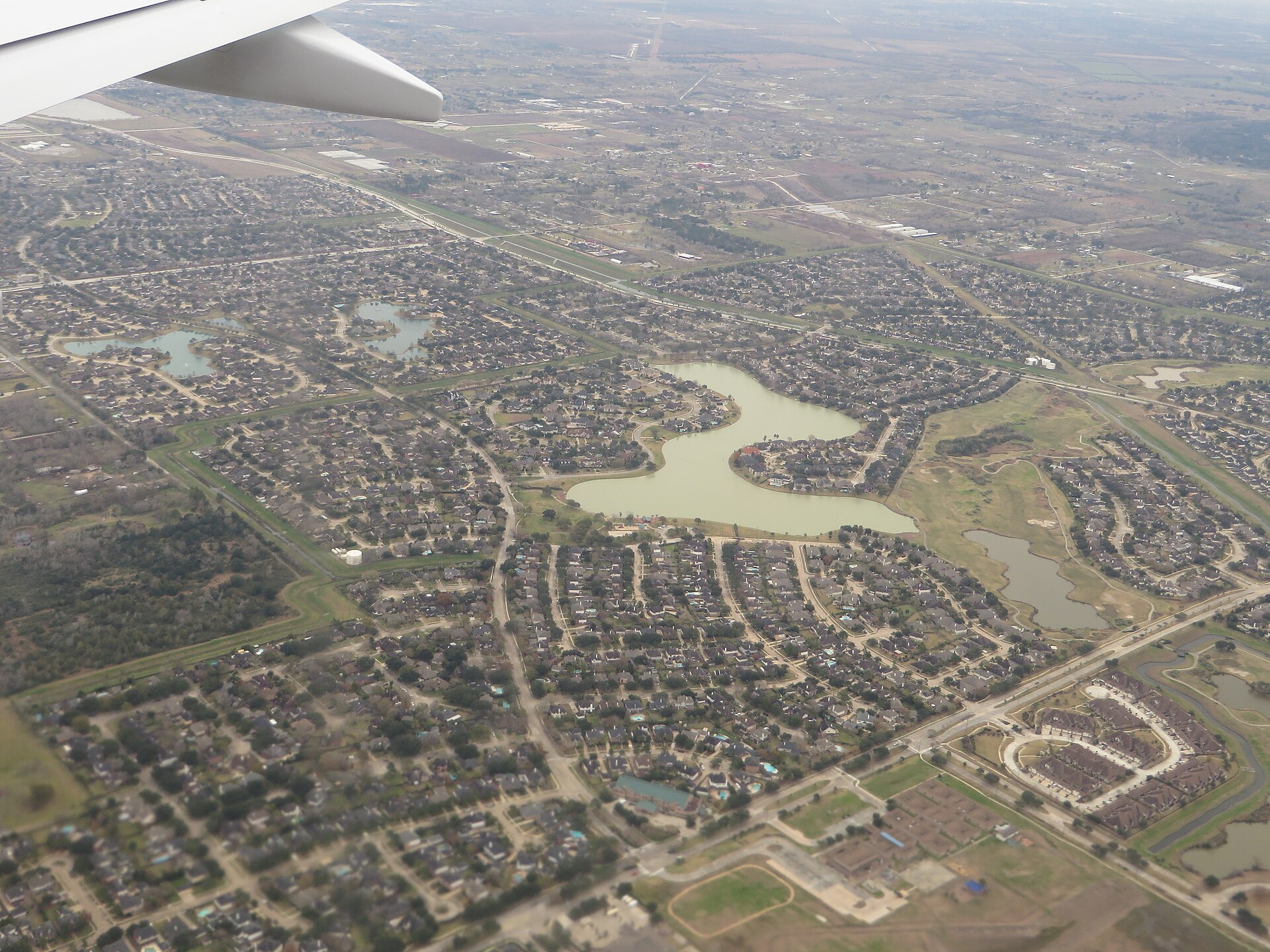
Who sets the percentages under the 51 percent rule
First, the jury (or judge) gives each person a share of responsibility, stated in whole numbers. Id. § 33.003(a). That list can include the injured person, each defendant, anyone who settled, and any designated responsible third party. Id.. However, the other driver’s insurer may argue that Rosa shares the blame. Even so, no one’s conduct can go to the jury without sufficient evidence to support it. Id. § 33.003(b).
How the 51 percent rule plays out on SH 288 in Pearland
Because shares are whole numbers, 51 percent is the first share that bars recovery. Id. §§ 33.001, 33.003(a). For example, if the jury finds Rosa 20 percent responsible, her damages drop by 20 percent. Id. § 33.012(a). In addition, even at exactly 50 percent, she still recovers half. See id. § 33.001; id. § 33.012(a). At 51 percent, however, she recovers nothing. Id. § 33.001.
For more detail, see the negligence definition and the legal glossary.
This article is general information about Texas law. If you need legal advice about your own situation, contact a licensed attorney.
Supporting text
The exact language behind each part of this 51 percent rule, in the order it is cited.
Tex. Civ. Prac. & Rem. Code Ann. § 33.001
Supports: the core of the short answer, because this section bars recovery only when the claimant’s share is greater than 50 percent.
In an action to which this chapter applies, a claimant may not recover damages if his percentage of responsibility is greater than 50 percent.
Supports: the reduction of the award, because this subsection cuts damages by the claimant’s own percentage.
(a) If the claimant is not barred from recovery under Section 33.001, the court shall reduce the amount of damages to be recovered by the claimant with respect to a cause of action by a percentage equal to the claimant’s percentage of responsibility.
Supports: who receives a share, because this subsection tells the trier of fact to set whole-number percentages for each listed person.
(a) The trier of fact, as to each cause of action asserted, shall determine the percentage of responsibility, stated in whole numbers, for the following persons with respect to each person’s causing or contributing to cause in any way the harm for which recovery of damages is sought, … : (1) each claimant; (2) each defendant; (3) each settling person; and (4) each responsible third party who has been designated under Section 33.004.
Supports: the limit on blame arguments, because this subsection requires sufficient evidence before anyone’s conduct goes to the jury.
(b) This section does not allow a submission to the jury of a question regarding conduct by any person without sufficient evidence to support the submission.
