Left turn accident: the short answer
In a left turn accident in Texas, the law starts with the turning driver, who must yield to oncoming traffic that is in the intersection or close enough to be an immediate hazard. Tex. Transp. Code Ann. § 545.152. Even so, fault can be shared when the oncoming driver was also careless, and a jury sets each driver’s percentage. Tex. Civ. Prac. & Rem. Code Ann. § 33.003(a).
A left turn accident often happens when one driver misjudges the gap in oncoming traffic. For example, say Maya is driving on Broadway Street (FM 518) in Pearland when a pickup turns left across her lane and hits her car. This article explains who is usually at fault in a left turn accident, how signals change the rules, and how shared fault works. The rules are statewide, so Pearland is only the example.
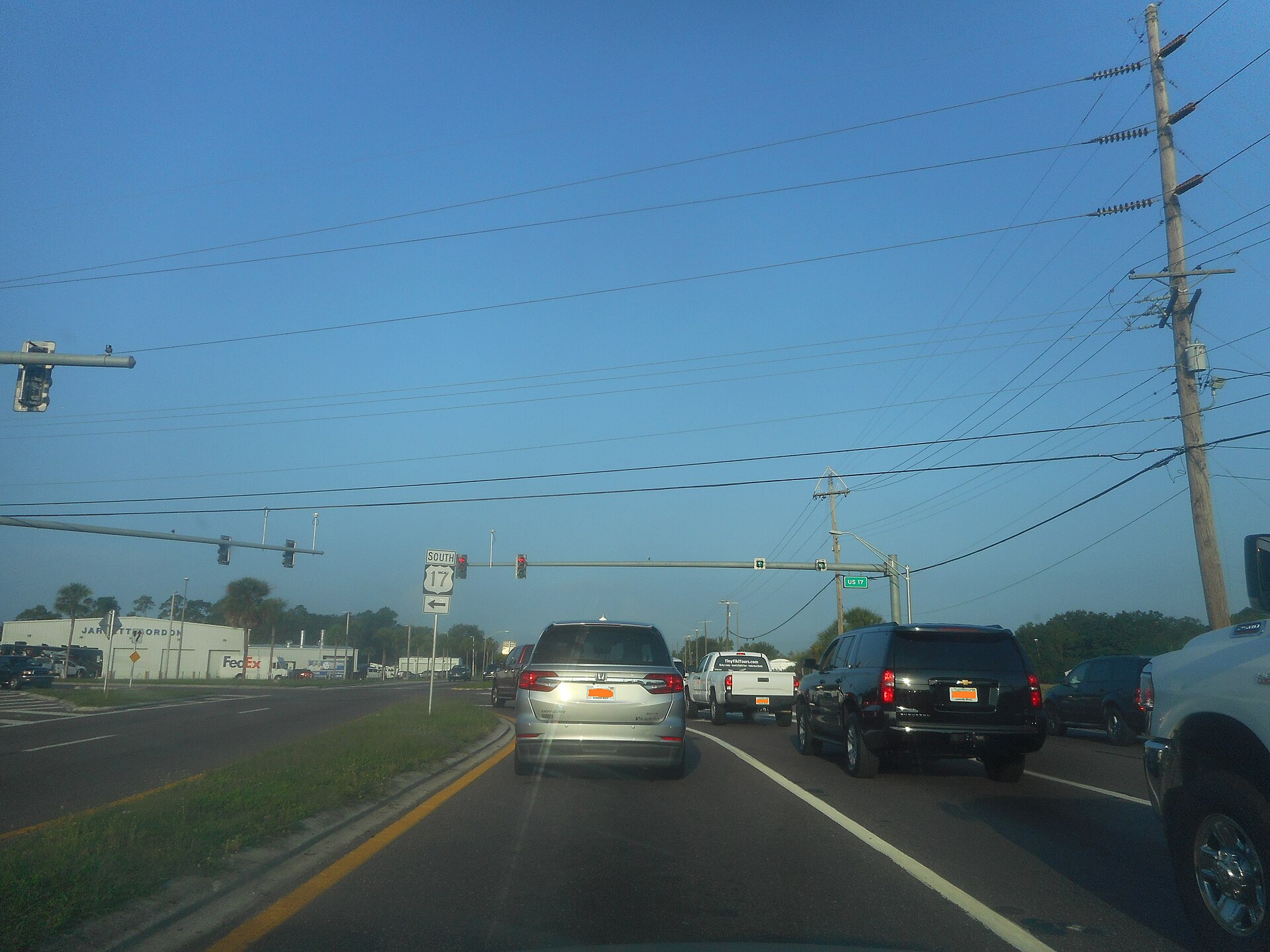
Who is at fault in a left turn accident in Texas?
Texas law puts the first duty on the turning driver. To turn left at an intersection, alley, private road, or driveway, a driver must yield the right-of-way to an oncoming vehicle that is in the intersection or close enough to be an immediate hazard. Tex. Transp. Code Ann. § 545.152. So in Maya’s example, the pickup driver had to let her pass if she was that close.
The same duty applies on a solid green light. A driver facing a circular green signal may turn left unless a sign prohibits the turn. Id. § 544.007(b). However, that driver must still yield to other vehicles lawfully in the intersection. Id. In other words, a green light allows the turn but does not give the turning driver the right-of-way over oncoming cars.
Does a green arrow change who has to yield?
A green arrow changes the picture, but it is not a free pass. A driver facing a green arrow may cautiously enter the intersection and move in the direction the arrow shows. Tex. Transp. Code Ann. § 544.007(c). Even then, the driver must yield to pedestrians lawfully in an adjacent crosswalk and to other traffic lawfully using the intersection. Id.
That word, lawfully, matters. Because the duty runs to traffic lawfully using the intersection, the color of the oncoming driver’s light becomes a key fact. As a result, signal timing, witness accounts, and video can decide which driver had the right-of-way.
Can both drivers share fault for a left turn accident?
Yes. Texas uses proportionate responsibility, so a jury assigns a percentage of responsibility to each person whose conduct caused or contributed to the harm. Tex. Civ. Prac. & Rem. Code Ann. § 33.003(a). For example, the turning driver’s insurer may argue that Maya was speeding or looking at her phone.
Those percentages control the recovery. An injured driver whose share is greater than 50 percent recovers nothing. Id. § 33.001. Otherwise, the damages are reduced by that driver’s own percentage. Id. § 33.012(a). Thus, a finding that Maya was 10 percent at fault would trim her recovery by 10 percent, not end it. The site’s guide to the 51 percent rule covers this in more depth.
What to gather after a left turn accident in Pearland
Because fault often turns on who had the right-of-way, the crash report matters. An officer who investigates a crash must make a written report if anyone was hurt or killed, or if property damage appears to be $1,000 or more. Tex. Transp. Code Ann. § 550.062(a). Inside Pearland city limits, that officer is usually with the Pearland Police Department. Also, photos of the signals, lane markings, and vehicle damage can show how the turn happened. The site’s after-a-crash checklist lists other records to keep.
Finally, time limits apply. A personal injury suit generally must be filed within two years after the cause of action accrues. Tex. Civ. Prac. & Rem. Code Ann. § 16.003(a). In addition, a suit may be filed in the county where all or a substantial part of the events happened. Id. § 15.002(a)(1). Because Pearland spans Brazoria, Harris, and Fort Bend counties, the exact crash location affects which county’s courts can hear the case.
This article is general information about Texas law. If you need legal advice about your own situation, contact a licensed attorney.
Supporting text
The exact language behind each part of this left turn accident article, in the order it is cited.
Tex. Transp. Code Ann. § 545.152
Supports: the turning driver’s duty in a left turn accident, because this section requires a left-turning driver to yield to close oncoming traffic.
To turn left at an intersection or into an alley or private road or driveway, an operator shall yield the right-of-way to a vehicle that is approaching from the opposite direction and that is in the intersection or in such proximity to the intersection as to be an immediate hazard.
Tex. Civ. Prac. & Rem. Code Ann. § 33.003(a)
Supports: the point that a jury sets each driver’s percentage in a left turn accident, because this subsection requires a percentage for each claimant and each defendant.
(a) The trier of fact, as to each cause of action asserted, shall determine the percentage of responsibility, stated in whole numbers, for the following persons with respect to each person’s causing or contributing to cause in any way the harm for which recovery of damages is sought, whether by negligent act or omission, by any defective or unreasonably dangerous product, by other conduct or activity that violates an applicable legal standard, or by any combination of these: (1) each claimant; (2) each defendant;
Tex. Transp. Code Ann. § 544.007(b)
Supports: the rule for a left turn on a solid green light, because this subsection allows the turn but requires yielding to vehicles lawfully in the intersection.
(b) An operator of a vehicle facing a circular green signal may proceed straight or turn right or left unless a sign prohibits the turn. The operator shall, while the signal is exhibited: (1) yield the right-of-way to other vehicles lawfully in the intersection when the signal is exhibited; and
Tex. Transp. Code Ann. § 544.007(c)
Supports: the rule for a green arrow, because this subsection still requires yielding to traffic lawfully using the intersection.
(c) An operator of a vehicle facing a green arrow signal, displayed alone or with another signal, may cautiously enter the intersection to move in the direction permitted by the arrow or other indication shown simultaneously. The operator shall stop and yield the right-of-way to a pedestrian or sidewalk user lawfully in an adjacent crosswalk and shall yield the right-of-way to other traffic lawfully using the intersection.
Tex. Civ. Prac. & Rem. Code Ann. § 33.001
Supports: the rule that a driver more than 50 percent responsible recovers nothing, because this section states that bar.
In an action to which this chapter applies, a claimant may not recover damages if his percentage of responsibility is greater than 50 percent.
Tex. Civ. Prac. & Rem. Code Ann. § 33.012(a)
Supports: the reduction of damages by the injured driver’s own percentage, because this subsection orders that reduction.
(a) If the claimant is not barred from recovery under Section 33.001, the court shall reduce the amount of damages to be recovered by the claimant with respect to a cause of action by a percentage equal to the claimant’s percentage of responsibility.
Tex. Transp. Code Ann. § 550.062(a)
Supports: the crash report after a left turn accident, because this subsection requires an investigating officer to write a report when someone is hurt or damage reaches $1,000.
(a) A law enforcement officer who in the regular course of duty investigates a motor vehicle collision shall make a written report of the collision if the collision resulted in injury to or the death of a person or damage to the property of any one person to the apparent extent of $1,000 or more.
Tex. Civ. Prac. & Rem. Code Ann. § 16.003(a)
Supports: the two-year deadline to sue, because this passage lists personal injury among the claims that must be brought within two years.
a person must bring suit for trespass for injury to the estate or to the property of another, conversion of personal property, taking or detaining the personal property of another, personal injury, forcible entry and detainer, and forcible detainer not later than two years after the day the cause of action accrues.
Tex. Civ. Prac. & Rem. Code Ann. § 15.002(a)(1)
Supports: the point that a suit may be filed where the crash happened, because this subdivision allows suit in the county of the events.
(a) Except as otherwise provided by this subchapter or Subchapter B or C, all lawsuits shall be brought: (1) in the county in which all or a substantial part of the events or omissions giving rise to the claim occurred; …
