Texas dog bite: the short answer
In a Texas dog bite case, an owner who had reason to know the dog was dangerous can be liable even after using the utmost care. Marshall v. Ranne, 511 S.W.2d 255, 258 (Tex. 1974). In addition, the owner of a dog with no such history can still be liable for handling it negligently. Id. at 259.
For example, say Maya is bitten by a neighbor’s dog while walking in the Spring Branch area of Houston. Because these rules are statewide, Houston is only the setting.
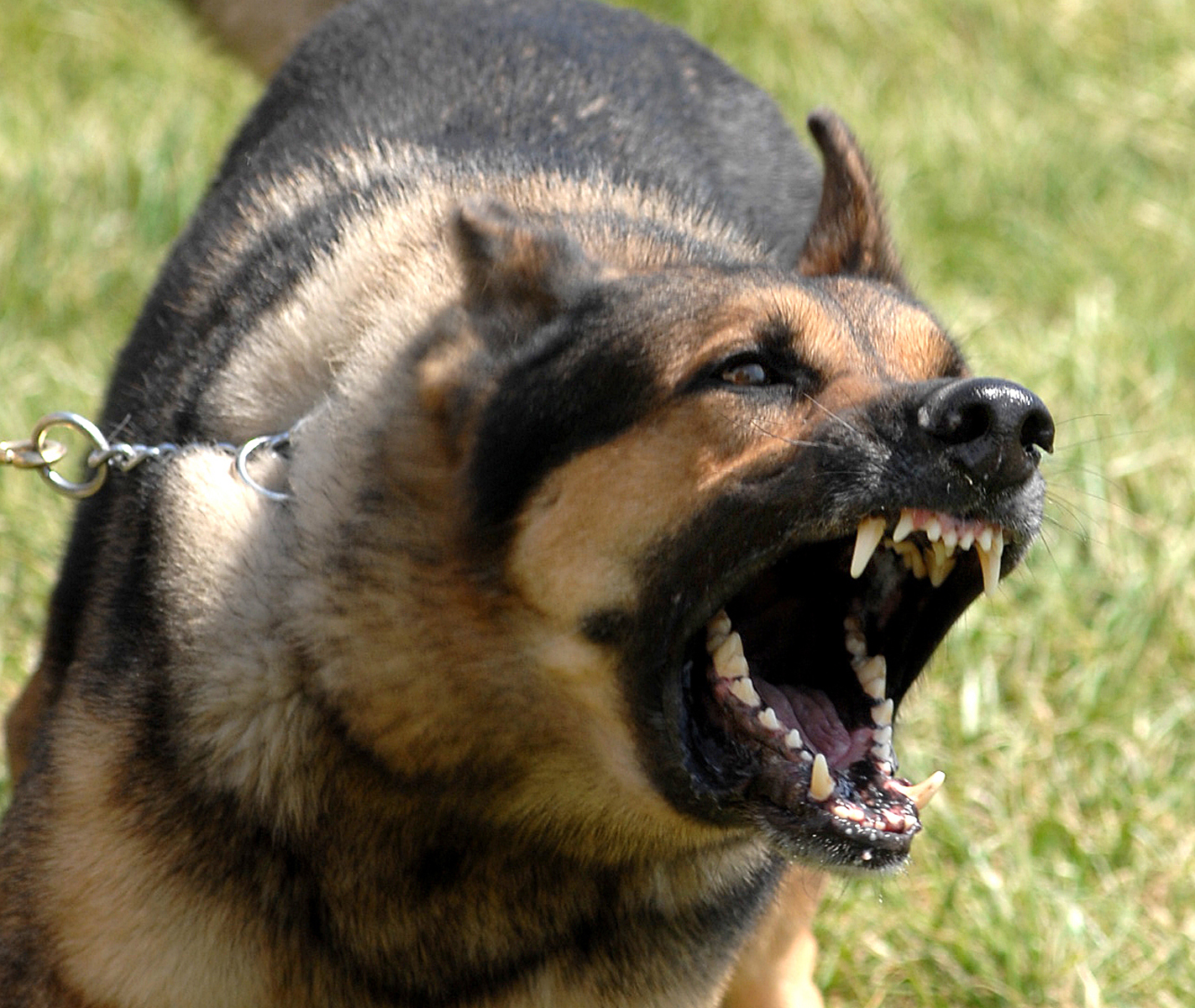
When a Texas dog bite brings strict liability
First, an owner who has reason to know a domestic animal has dangerous tendencies unusual for its kind is liable for the harm it causes, even after using the utmost care. Marshall, 511 S.W.2d at 258. However, that rule does not protect trespassers on the owner’s land. Id. Also, it is enough that the owner should have known about the danger. Id. As a result, if the owner had reason to know, Maya does not have to prove the owner was careless.
A Texas dog bite with no warning signs
Even so, the owner of a dog with no dangerous history may still be liable for negligent handling. Id. at 259. For more detail on filing deadlines, see the statute of limitations.
This article is general information about Texas law. If you need legal advice about your own situation, contact a licensed attorney.
Supporting text
The exact language behind each part of this Texas dog bite article, in the order it is cited.
Marshall v. Ranne, 511 S.W.2d 255, 258 (Tex. 1974)
Supports: first, the strict liability rule and the trespasser exception, because the court adopted this Restatement rule.
The correct rule is expressed in Restatement of Torts §§ 507, 509 (1938): … § 509. HARM DONE BY ABNORMALLY DANGEROUS DOMESTIC ANIMALS. Except as stated in § 517, a possessor of a domestic animal which he has reason to know has dangerous propensities abnormal to its class, is subject to liability for harm caused thereby to others, except trespassers on his land, although he has exercised the utmost care to prevent it from doing the harm.
Supports: in addition, the negligent handling rule for a Texas dog bite, because the court says so directly here.
All animals are not vicious and a possessor of a non-vicious animal may be subject to liability for his negligent handling of such an animal.
Supports: also, the point that should have known is enough, because the court treats the two phrases the same.
The Restatement, quoted above, uses the phrase “has reason to know” and the fourth special issue submitted in this case used the phrase “should have known.” There is no essential distinction between the two terms …
