Tolling for minors: the short answer
Tolling for minors pauses the Texas injury deadline while the injured person is younger than 18. Tex. Civ. Prac. & Rem. Code Ann. § 16.001(a)(1). In other words, the time before the 18th birthday is not counted toward the limitations period. Id. § 16.001(b).
Tolling for minors gives injured children extra time to bring a claim. For example, say Maya is 15 when a driver hits her bike near Memorial Park in Houston. Because the rule is statewide, Memorial Park is only the setting.
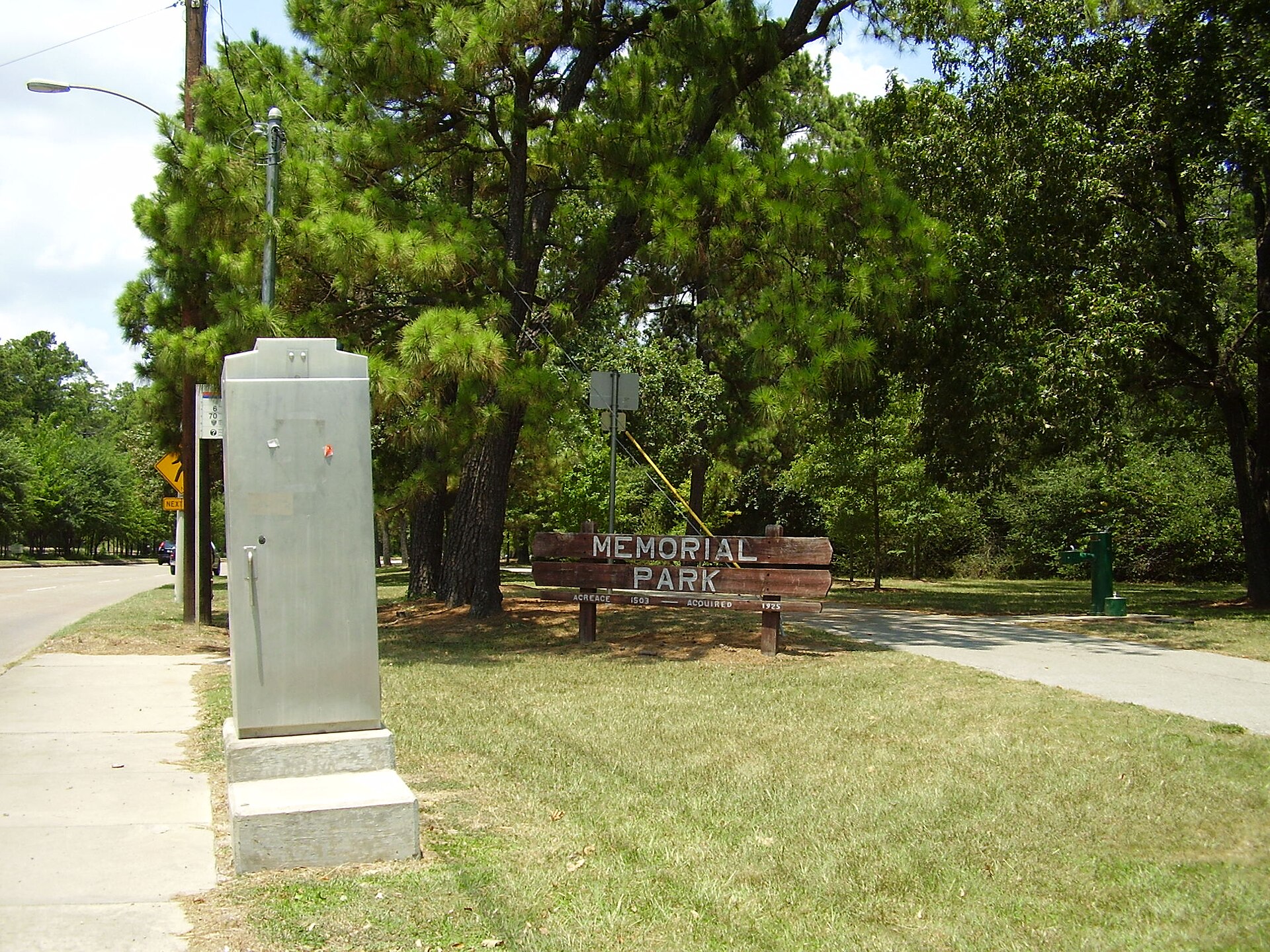
How tolling for minors works after a Memorial Park crash
Normally, a personal injury lawsuit must be filed within two years after the claim accrues. Id. § 16.003(a). However, the other side may point to the crash date and argue that time has run. Even so, the years before Maya turns 18 do not count. Id. § 16.001(b). As a result, her two-year clock starts on her 18th birthday. See id. § 16.001(b); id. § 16.003(a). The same protection covers a person of unsound mind. Id. § 16.001(a)(2).
Where tolling for minors stops
The pause does have limits. First, a disability that begins after the clock starts does not stop it. Id. § 16.001(d). Also, a person cannot tack one disability onto another to stretch the deadline. Id. § 16.001(c).
For more detail, see the statute of limitations for adults and the Texas deadlines tool.
This article is general information about Texas law. If you need legal advice about your own situation, contact a licensed attorney.
Supporting text
The exact language behind each part of this tolling for minors entry, in the order it is cited.
Tex. Civ. Prac. & Rem. Code Ann. § 16.001(a)
Supports: the short answer and the unsound-mind point, because this subsection lists being younger than 18 and being of unsound mind as legal disabilities.
(a) For the purposes of this subchapter, a person is under a legal disability if the person is: (1) younger than 18 years of age, regardless of whether the person is married; or (2) of unsound mind.
Supports: the pause itself, because this subsection leaves the time of the disability out of the limitations period.
(b) If a person entitled to bring a personal action is under a legal disability when the cause of action accrues, the time of the disability is not included in a limitations period.
Supports: the usual two-year deadline, because this subsection requires personal injury suits within two years after the cause of action accrues.
(a) Except as provided by Sections 16.010, 16.0031, and 16.0045, a person must bring suit for … personal injury … not later than two years after the day the cause of action accrues.
Supports: the first limit, because this subsection says a later disability does not stop a clock that has already started.
(d) A disability that arises after a limitations period starts does not suspend the running of the period.
Supports: the second limit, because this subsection bars adding one disability to another.
(c) A person may not tack one legal disability to another to extend a limitations period.
