Uninsured driver: the short answer
When an uninsured driver causes a crash in Texas, the injured person’s own auto policy may still pay for the losses. That is because Texas insurers must include uninsured and underinsured motorist coverage in every auto liability policy unless a named insured rejected it in writing. Tex. Ins. Code Ann. § 1952.101(b), (c). In general, the deadline to file a personal injury lawsuit is two years. Tex. Civ. Prac. & Rem. Code Ann. § 16.003(a).
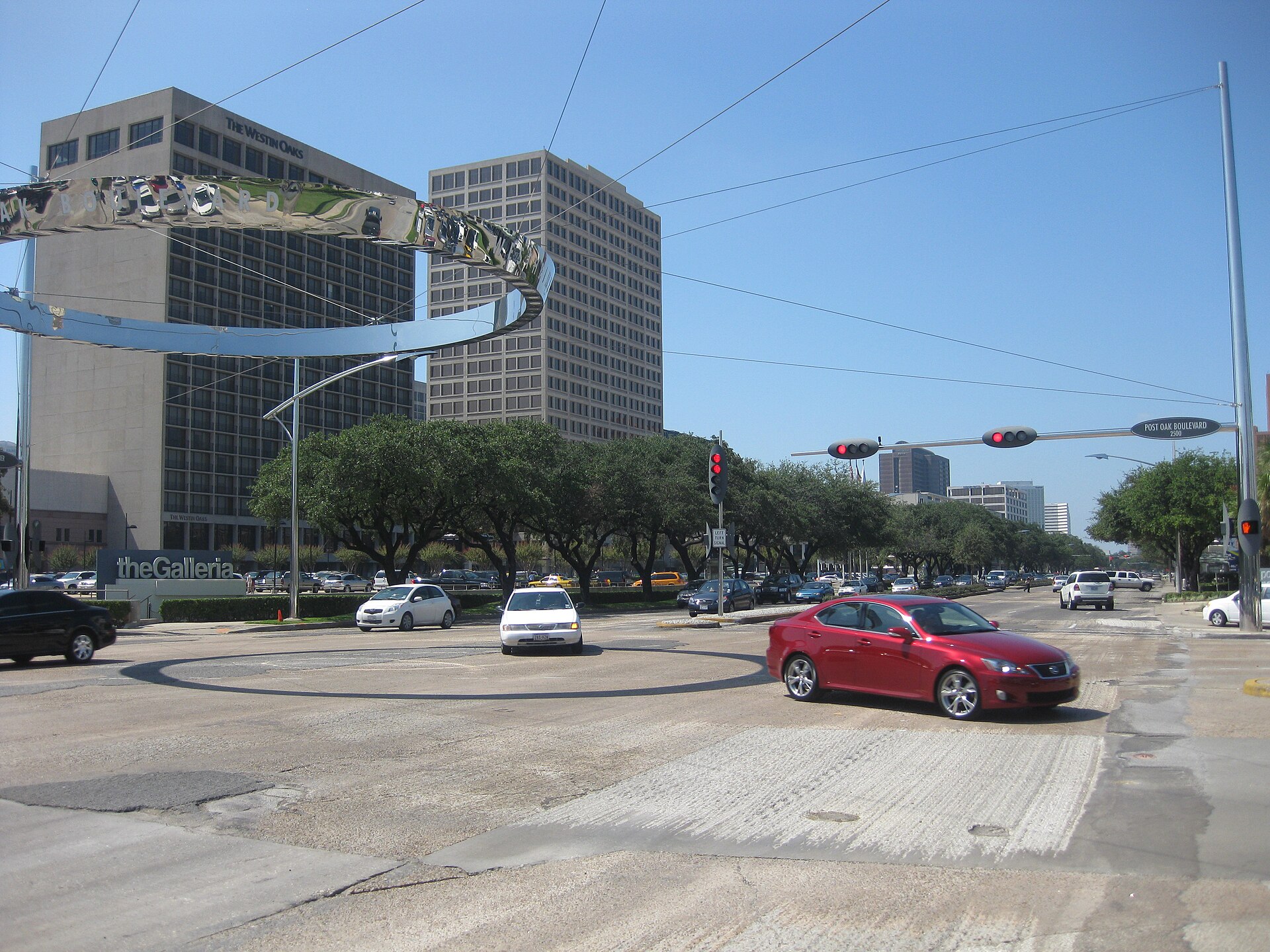
Searching “uninsured driver hit me Texas” usually starts with a hard discovery: the driver who caused the wreck has no insurance. For example, say Dana is stopped at a red light on Westheimer Road in Houston when a driver with no insurance slams into her car. Dana now has medical bills, lost pay, and a damaged car, and the other driver has no insurer to call. The rules below are statewide, so they work the same way in Houston as anywhere else in Texas. For local resources, see the Houston city guide.
Is it legal to drive without insurance in Texas?
No. Texas law says a person may not operate a motor vehicle in the state unless financial responsibility is established for it, such as through a liability insurance policy. Tex. Transp. Code Ann. § 601.051. The minimum policy covers $30,000 for one person’s injuries, $60,000 for all injuries in one crash, and $25,000 for property damage. Tex. Transp. Code Ann. § 601.072(a-1). For a quick reference, see the Texas insurance minimums tool.
However, a law that requires insurance does not put insurance in every car. When the at-fault driver has none, the injured person needs another source of payment. In addition, even an insured driver may carry only the $30,000 minimum for one person’s injuries.
Uninsured driver coverage on the injured person’s policy
Texas protects crash victims through uninsured and underinsured motorist coverage, often called UM/UIM. An insurer may not issue an auto liability policy in Texas unless it includes this coverage, and the coverage drops out only if a named insured rejects it in writing. Tex. Ins. Code Ann. § 1952.101(b), (c). In other words, unless someone named on the policy signed a written rejection, the policy must include it.
The coverage protects people who are legally entitled to recover from the owners or drivers of uninsured or underinsured vehicles. It covers bodily injury, sickness, disease, death, and property damage. Tex. Ins. Code Ann. § 1952.101(a). As a result, Dana can make a claim with her own insurer for the losses the uninsured driver caused, up to her policy limits.
Also, Texas auto policies must include personal injury protection, or PIP, unless a named insured rejects it in writing. Tex. Ins. Code Ann. § 1952.152(a), (b). That can give an injured person a second possible source of payment from their own policy.
What if the uninsured driver drove away?
Sometimes the driver who caused the crash cannot be identified at all. Texas law still allows an uninsured motorist claim in that situation. However, the policy must require actual physical contact between the unknown driver’s vehicle and the injured person or their property. Tex. Ins. Code Ann. § 1952.104(3). For example, if a car clips Dana’s bumper on Westheimer and speeds off, that is actual physical contact. In contrast, if the unknown driver never touched Dana or her car, this requirement is not met. For more on these crashes, see the hit-and-run article.
When the at-fault driver has too little insurance
The same coverage also matters when the other driver has insurance, but not enough. Under Texas law, a vehicle is underinsured when its liability limits are lower than the underinsured motorist limit on the injured person’s own policy. A vehicle is also underinsured when payments to others hurt in the same crash have reduced its limits below that amount. Tex. Ins. Code Ann. § 1952.103.
For example, say the driver who hit Dana carried the $30,000 minimum, and Dana’s policy has a $100,000 underinsured motorist limit. Then the other car counts as underinsured under the statute. That opens the door to a UIM claim on Dana’s own policy.
What the insurer will argue in an uninsured driver claim
A UM/UIM claim is made against the injured person’s own insurer. Even so, it does not work like a simple claim for a cracked windshield. The Texas Supreme Court has explained that UIM benefits depend on what the insured is legally entitled to recover from the other driver. As a result, the insurer’s duty to pay does not arise until fault and damages are determined. Brainard v. Trinity Universal Ins. Co., 216 S.W.3d 809, 818 (Tex. 2006).
In other words, the insurer can question who caused the crash and how much the injuries are worth. Those are the same tort-law questions that would decide a lawsuit against the other driver.
Because tort law decides the claim, Texas’s shared-fault rule applies too. An injured person who is more than 50 percent responsible recovers nothing. Tex. Civ. Prac. & Rem. Code Ann. § 33.001. Otherwise, the damages are reduced by the injured person’s percentage of responsibility. Tex. Civ. Prac. & Rem. Code Ann. § 33.012(a). For example, if Dana were found 10 percent responsible, her damages would drop by 10 percent. For a closer look, see the 51 percent rule article.
What an uninsured driver crash victim can recover
Texas law sorts injury damages into two main groups. First, economic damages compensate for actual economic or pecuniary loss, such as medical bills, lost wages, and repair costs. Tex. Civ. Prac. & Rem. Code Ann. § 41.001(4). Second, noneconomic damages compensate for losses like physical pain and suffering, mental or emotional pain or anguish, disfigurement, physical impairment, and loss of enjoyment of life. Id. § 41.001(12).
Also, UM coverage reaches property damage as well as bodily injury, so Dana’s damaged car is part of the picture. Tex. Ins. Code Ann. § 1952.101(a). For more on these categories, see the economic and noneconomic damages article.
Uninsured driver crash steps and deadlines in Houston
Several Texas rules help protect the claim from the start. After a crash that injures someone, each driver must give their name, address, vehicle registration number, and the name of their liability insurer. Tex. Transp. Code Ann. § 550.023(1). When the at-fault driver has no insurer to name, that fact matters for the UM claim.
In addition, an officer who investigates a crash with an injury, or apparent property damage of $1,000 or more, must write a crash report. The report must be filed electronically within 10 days. Tex. Transp. Code Ann. § 550.062(a), (b). That rule applies to a crash on Westheimer Road the same way it applies anywhere in Texas.
Finally, the clock matters. In general, a personal injury lawsuit in Texas must be filed within two years after the claim accrues. Tex. Civ. Prac. & Rem. Code Ann. § 16.003(a). The Texas deadlines tool and the after-a-crash checklist collect these dates and steps in one place.
This article is general information about Texas law. If you need legal advice about your own situation, contact a licensed attorney.
Supporting text
The exact language behind each part of this uninsured driver article, in the order it is cited.
Tex. Ins. Code Ann. § 1952.101(b), (c)
Supports: the rule that every Texas auto liability policy must include UM/UIM coverage, because subsection (b) bars issuing a policy without it and subsection (c) allows only a written rejection to remove it.
(b) An insurer may not deliver or issue for delivery in this state an automobile liability insurance policy, including a policy provided through the Texas Automobile Insurance Plan Association under Chapter 2151, that covers liability arising out of the ownership, maintenance, or use of any motor vehicle unless the insurer provides uninsured or underinsured motorist coverage in the policy or supplemental to the policy. (c) The coverage required by this subchapter does not apply if any insured named in the insurance policy rejects the coverage in writing. …
Tex. Civ. Prac. & Rem. Code Ann. § 16.003(a)
Supports: the general two-year deadline to sue, because this subsection lists personal injury among the suits that must be brought within two years.
(a) Except as provided by Sections 16.010, 16.0031, and 16.0045, a person must bring suit for … personal injury … not later than two years after the day the cause of action accrues.
Tex. Transp. Code Ann. § 601.051
Supports: first, the statement that driving without insurance or other financial responsibility is not legal in Texas, because this section forbids operating a vehicle without it.
A person may not operate a motor vehicle in this state unless financial responsibility is established for that vehicle through: (1) a motor vehicle liability insurance policy that complies with Subchapter D; …
Tex. Transp. Code Ann. § 601.072(a-1)
Supports: the $30,000, $60,000, and $25,000 minimums, because this subsection sets those three amounts.
(a-1) Effective January 1, 2011, the minimum amounts of motor vehicle liability insurance coverage required to establish financial responsibility under this chapter are: (1) $30,000 for bodily injury to or death of one person in one collision; (2) $60,000 for bodily injury to or death of two or more persons in one collision, subject to the amount provided by Subdivision (1) for bodily injury to or death of one of the persons; and (3) $25,000 for damage to or destruction of property of others in one collision.
Tex. Ins. Code Ann. § 1952.101(a)
Supports: what uninsured driver coverage protects, because this definition covers bodily injury, sickness, disease, death, and property damage that the insured is legally entitled to recover.
(a) In this section, “uninsured or underinsured motorist coverage” means the provisions of an automobile liability insurance policy that provide for coverage in at least the limits prescribed by Chapter 601, Transportation Code, that protects insureds who are legally entitled to recover from owners or operators of uninsured or underinsured motor vehicles damages for bodily injury, sickness, disease, or death, or property damage resulting from the ownership, maintenance, or use of any motor vehicle.
Tex. Ins. Code Ann. § 1952.152(a), (b)
Supports: the PIP statement, because this section requires PIP coverage unless a named insured rejects it in writing.
(a) An insurer may not deliver or issue for delivery in this state an automobile liability insurance policy … unless the insurer provides personal injury protection coverage in the policy or supplemental to the policy. (b) The coverage required by this subchapter does not apply if any insured named in the insurance policy rejects the coverage in writing.
Tex. Ins. Code Ann. § 1952.104(3)
Supports: the physical contact rule for an unknown driver, because this subdivision requires actual physical contact before an uninsured motorist claim involving an unknown driver.
The portion of a policy form adopted under Article 5.06 or filed as provided by Subchapter B, Chapter 2301, to provide coverage under this subchapter must: … (3) require that, for the insured to recover under the uninsured motorist coverage if the owner or operator of any motor vehicle that causes bodily injury or property damage to the insured is unknown, actual physical contact must have occurred between the motor vehicle owned or operated by the unknown person and the person or property of the insured.
Tex. Ins. Code Ann. § 1952.103
Supports: the meaning of underinsured, because this section compares the other driver’s limits to the underinsured limit on the injured person’s own policy.
For purposes of the coverage required by this subchapter, “underinsured motor vehicle” means an insured motor vehicle on which there is collectible liability insurance coverage with limits of liability for the owner or operator that were originally lower than, or have been reduced by payment of claims arising from the same accident to, an amount less than the limit of liability stated in the underinsured coverage of the insured’s policy.
Brainard v. Trinity Universal Ins. Co., 216 S.W.3d 809, 818 (Tex. 2006)
Supports: the point that the insurer does not have to pay until fault and damages are determined, because the court held that UIM coverage uses tort law to decide coverage.
The UIM contract is unique because, according to its terms, benefits are conditioned upon the insured’s legal entitlement to receive damages from a third party. Unlike many first-party insurance contracts, in which the policy alone dictates coverage, UIM insurance utilizes tort law to determine coverage. Consequently, the insurer’s contractual obligation to pay benefits does not arise until liability and damages are determined.
Tex. Civ. Prac. & Rem. Code Ann. § 33.001
Supports: the more-than-50-percent bar, because this section says a claimant above 50 percent responsibility may not recover.
In an action to which this chapter applies, a claimant may not recover damages if his percentage of responsibility is greater than 50 percent.
Tex. Civ. Prac. & Rem. Code Ann. § 33.012(a)
Supports: the reduction for shared fault, because this subsection cuts damages by the claimant’s own percentage of responsibility.
(a) If the claimant is not barred from recovery under Section 33.001, the court shall reduce the amount of damages to be recovered by the claimant with respect to a cause of action by a percentage equal to the claimant’s percentage of responsibility.
Tex. Civ. Prac. & Rem. Code Ann. § 41.001(4)
Supports: the definition of economic damages, because this definition covers actual economic or pecuniary loss.
(4) “Economic damages” means compensatory damages intended to compensate a claimant for actual economic or pecuniary loss; the term does not include exemplary damages or noneconomic damages.
Tex. Civ. Prac. & Rem. Code Ann. § 41.001(12)
Supports: the list of noneconomic losses, because this definition names pain and suffering, anguish, disfigurement, impairment, and loss of enjoyment of life.
(12) “Noneconomic damages” means damages awarded for the purpose of compensating a claimant for physical pain and suffering, mental or emotional pain or anguish, loss of consortium, disfigurement, physical impairment, loss of companionship and society, inconvenience, loss of enjoyment of life, injury to reputation, and all other nonpecuniary losses of any kind other than exemplary damages.
Tex. Transp. Code Ann. § 550.023(1)
Supports: the duty to share insurance information after a crash, because this subdivision requires each driver to give the name of the liability insurer.
The operator of a vehicle involved in a collision resulting in the injury or death of a person or damage to a vehicle that is driven or attended by a person shall: (1) give the operator’s name and address, the registration number of the vehicle the operator was driving, and the name of the operator’s motor vehicle liability insurer to any person injured or the operator or occupant of or person attending a vehicle involved in the collision; …
Tex. Transp. Code Ann. § 550.062(a), (b)
Supports: finally, the crash report rule in an uninsured driver case, because these subsections require a written report and electronic filing within 10 days.
(a) A law enforcement officer who in the regular course of duty investigates a motor vehicle collision shall make a written report of the collision if the collision resulted in injury to or the death of a person or damage to the property of any one person to the apparent extent of $1,000 or more. (b) The report required by Subsection (a) must be filed electronically with the department not later than the 10th day after the date of the collision.
