Hit and run: the short answer
After a hit and run in Texas, the injured person’s own uninsured motorist coverage can pay when the driver is unknown, but only if the fleeing car made actual physical contact. Tex. Ins. Code Ann. § 1952.104(3). In addition, Texas law requires drivers in an injury crash to stop and help.
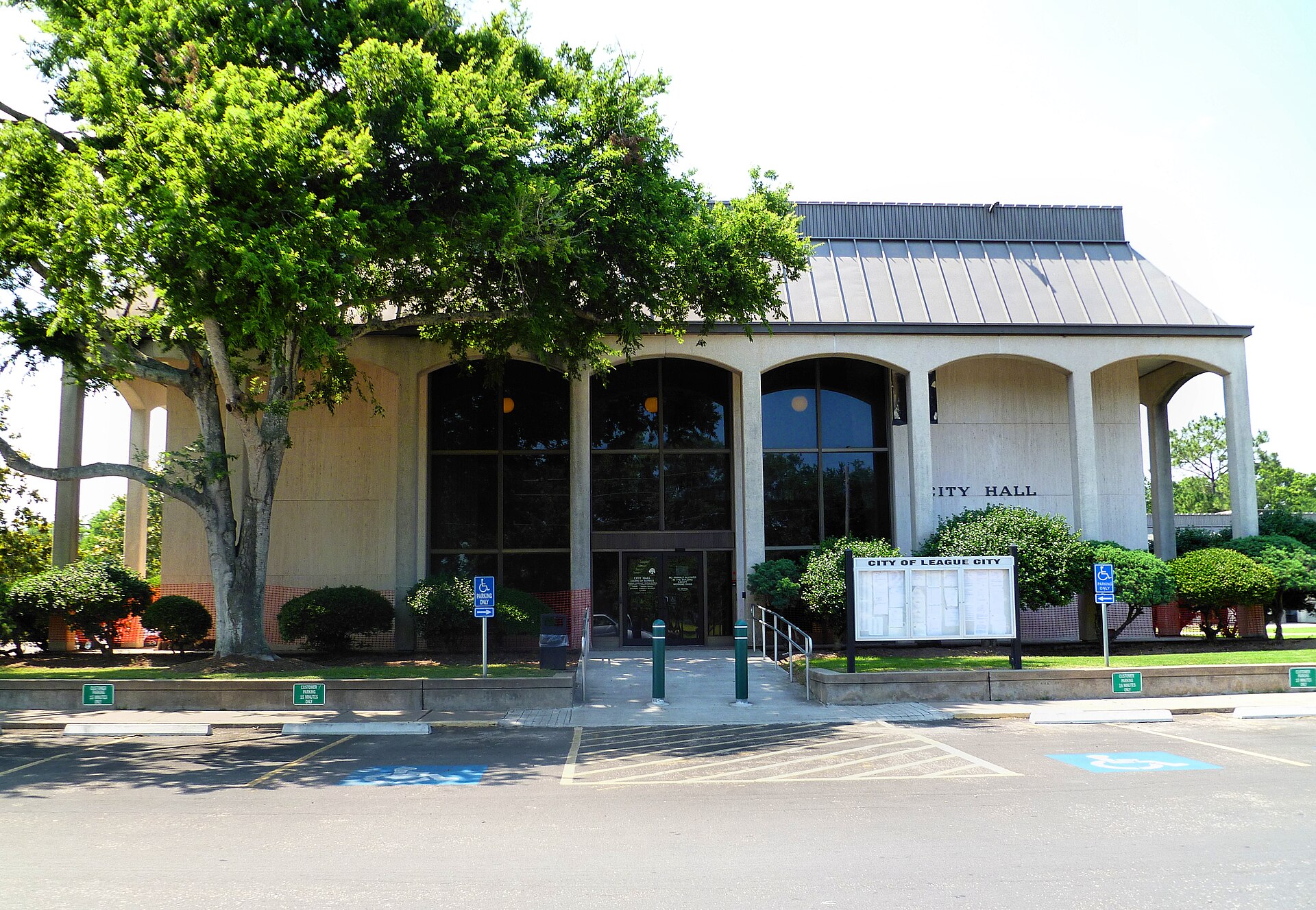
For example, picture Luis, whose car is struck on I-45 in League City by a driver who speeds off. Because the hit and run rules below are statewide, League City is only the example.
What Texas requires of a hit and run driver
First, a driver in a crash likely to injure someone must immediately stop at the scene. Then, the driver must stay until the duties to help are met. Tex. Transp. Code Ann. § 550.021(a)(1), (4). In addition, the driver must give a name, address, and insurer to anyone hurt, and must provide reasonable assistance. Id. § 550.023(1), (3).
Insurance after a hit and run in League City
First, Texas auto policies must include uninsured motorist coverage unless a named insured rejects it in writing. Tex. Ins. Code Ann. § 1952.101(b)–(c). Also, this coverage protects insureds who are legally entitled to recover from uninsured drivers. Id. § 1952.101(a).
However, when the driver is unknown, the policy requires actual physical contact with the insured’s person or property. Id. § 1952.104(3). As a result, a car that forces Luis off the road without touching him or his car does not meet that rule. For more detail, see this article on Texas minimum auto insurance and this one on insurance claim deadlines.
This article is general information about Texas law. If you need legal advice about your own situation, contact a licensed attorney.
Supporting text
The exact language behind each part of this hit and run article, in the order it is cited.
Tex. Ins. Code Ann. § 1952.104(3)
Supports: first, the physical contact rule for an unknown driver, because this subdivision requires contact before the insured can recover.
The portion of a policy form adopted under Article 5.06 or filed as provided by Subchapter B, Chapter 2301, to provide coverage under this subchapter must: … (3) require that, for the insured to recover under the uninsured motorist coverage if the owner or operator of any motor vehicle that causes bodily injury or property damage to the insured is unknown, actual physical contact must have occurred between the motor vehicle owned or operated by the unknown person and the person or property of the insured.
Tex. Transp. Code Ann. § 550.021(a)(1), (4)
Supports: then, the duty to stop and stay at the scene, because this subsection lists those steps for an injury crash.
(a) The operator of a vehicle involved in a collision that results or is reasonably likely to result in injury to or death of a person shall: (1) immediately stop the vehicle at the scene of the collision or as close to the scene as possible; … (4) remain at the scene of the collision until the operator complies with the requirements of Section 550.023.
Tex. Transp. Code Ann. § 550.023(1), (3)
Supports: in addition, the duty to share a name, address, and insurer and to help anyone hurt, because this section lists those duties.
The operator of a vehicle involved in a collision resulting in the injury or death of a person or damage to a vehicle that is driven or attended by a person shall: (1) give the operator’s name and address, the registration number of the vehicle the operator was driving, and the name of the operator’s motor vehicle liability insurer to any person injured or the operator or occupant of or person attending a vehicle involved in the collision; … (3) provide any person injured in the collision reasonable assistance, …
Tex. Ins. Code Ann. § 1952.101(a)–(c)
Supports: finally, what uninsured motorist coverage protects and the written rejection rule, because these subsections define the coverage and require it unless rejected.
(a) In this section, “uninsured or underinsured motorist coverage” means the provisions of an automobile liability insurance policy that … protects insureds who are legally entitled to recover from owners or operators of uninsured or underinsured motor vehicles damages for bodily injury, sickness, disease, or death, or property damage resulting from the ownership, maintenance, or use of any motor vehicle.
(b) An insurer may not deliver or issue for delivery in this state an automobile liability insurance policy, … that covers liability arising out of the ownership, maintenance, or use of any motor vehicle unless the insurer provides uninsured or underinsured motorist coverage in the policy or supplemental to the policy.
(c) The coverage required by this subchapter does not apply if any insured named in the insurance policy rejects the coverage in writing.
