Texting and driving accident: the short answer
A texting and driving accident is a crash caused by a driver who was reading, writing, or sending a message instead of watching the road. Texas makes that conduct an offense unless the vehicle is stopped. Tex. Transp. Code Ann. § 545.4251(b). Then the injured person can seek damages from the driver who caused the crash, and in general must file a personal injury lawsuit within two years. Tex. Civ. Prac. & Rem. Code Ann. § 16.003(a).
A texting and driving accident in Texas usually starts with a few seconds of a driver looking down at a phone. In Spring Branch, a district in west-northwest Harris County that lies almost entirely within the city of Houston, those seconds play out on busy streets like Long Point Road, the area’s main road. This article covers who may be responsible, what the insurance company may try, what an injured person can recover, and the deadlines that apply.
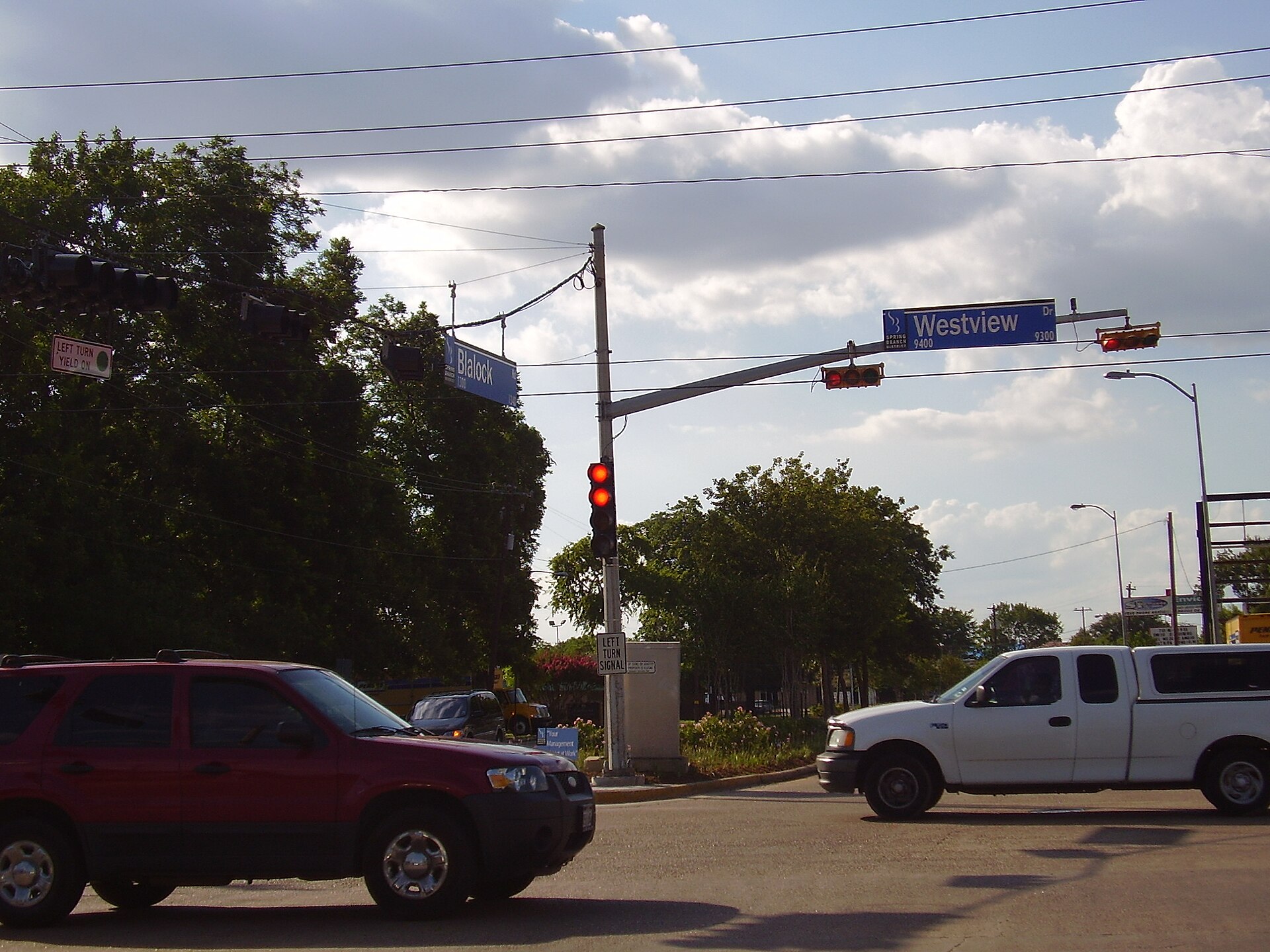
Is texting while driving illegal in Texas?
Yes. Texas law makes it an offense for a driver to use a handheld phone to read, write, or send an electronic message while driving, unless the vehicle is stopped. Tex. Transp. Code Ann. § 545.4251(b). In addition, the law defines an electronic message broadly. It covers data read from or entered into a wireless device to communicate with another person. Id § 545.4251(a)(1).
However, the law lists defenses. For example, a driver has a defense if the phone was used with a hands-free device, or used to navigate with GPS. Id § 545.4251(c)(1)–(2). Also, the texting rule is statewide. In other words, it applies the same way in Spring Branch, Katy, or El Paso.
Also, texting drivers often break other rules at the same moment. For instance, a driver following another vehicle must keep an assured clear distance, so the driver can stop safely without hitting the vehicle ahead. Tex. Transp. Code Ann. § 545.062(a). That is why a texting and driving accident is often a rear-end crash.
A texting and driving accident on Long Point Road
For example, say Maria is stopped at a red light on Long Point Road in Spring Branch. Behind her, a driver is typing a text and never sees the line of stopped cars. Then the driver’s pickup hits the back of Maria’s sedan. As a result, Maria has neck and back pain, and she misses two weeks of work.
First, an officer who investigates a crash like this must make a written report when someone is hurt, or when property damage appears to reach $1,000 or more. Tex. Transp. Code Ann. § 550.062(a). Then the officer must file the report electronically within 10 days of the crash. Id § 550.062(b). Because that report is one of the first records of what happened, injured people often request a copy and check it for mistakes.
Next, location matters for where a lawsuit is filed. Texas generally allows a lawsuit in the county where all or a substantial part of the events happened. Tex. Civ. Prac. & Rem. Code Ann. § 15.002(a)(1). Because Spring Branch sits in Harris County, Maria could file her case there. For more detail on local courts and roads, see the Houston city guide.
Who is responsible for a texting and driving accident?
In a Texas injury case, the jury (or the judge, if there is no jury) decides each person’s percentage of responsibility for causing the harm. Tex. Civ. Prac. & Rem. Code Ann. § 33.003(a). First, that includes the driver who was texting. However, other people and companies can also be part of the claim.
For example, the texting driver may have been working at the time. In that case, the injured person can also hold the employer responsible. To hold an employer liable, the injured person shows that the driver was an employee and was acting in the course and scope of the job. Painter v. Amerimex Drilling I, Ltd., 561 S.W.3d 125 (Tex. 2018). For more on that rule, see this site’s article on a company vehicle accident.
Also, the injured person’s own policy may help. Texas drivers must carry at least $30,000 in liability coverage for injury to one person in one collision. Tex. Transp. Code Ann. § 601.072(a-1). However, that amount may not cover a serious injury. In addition, Texas insurers must include uninsured and underinsured motorist coverage in auto policies unless a named insured rejected it in writing. Tex. Ins. Code Ann. § 1952.101(b), (c). For more detail, see the article on what happens when an uninsured driver causes a crash.
What will the insurance company try after a texting and driving accident?
The texting driver’s insurer usually starts by looking at fault. That is because Texas uses a shared-fault rule. Under it, a court reduces an injured person’s damages by that person’s own percentage of responsibility. Tex. Civ. Prac. & Rem. Code Ann. § 33.012(a). Even more, a person found more than 50 percent responsible recovers nothing. Id § 33.001.
As a result, an adjuster may argue that the injured driver stopped suddenly, changed lanes, or was distracted too. Therefore, each point of blame shifted to the injured person lowers what the insurer pays. Similarly, an adjuster may ask for a recorded statement early, before the full medical picture is known. For a deeper look at the shared-fault rule, see the article on the 51 percent rule.
Meanwhile, proof that the other driver was texting can disappear. For example, evidence may come from witnesses, the crash report, nearby video, or phone records. However, some businesses record over their video within days or weeks. So early steps to identify witnesses and ask for video can matter.
What damages can an injured person recover?
Texas law sorts damages into two main kinds. First, economic damages compensate a claimant for actual economic or pecuniary loss. Tex. Civ. Prac. & Rem. Code Ann. § 41.001(4). For instance, these include medical bills, lost pay, and the cost of repairing or replacing a car. In Maria’s case, that would include her treatment and her two missed weeks of work.
Second, noneconomic damages compensate for losses that do not come with a receipt. The statute lists physical pain and suffering, mental or emotional pain or anguish, disfigurement, physical impairment, loss of enjoyment of life, and more. Id § 41.001(12). For a fuller explanation, see the article on economic and noneconomic damages. To keep track of bills as they arrive, the medical expense tracker can help.
How long do I have to sue after a texting and driving accident in Texas?
In general, a personal injury lawsuit must be filed within two years after the day the claim accrues. Tex. Civ. Prac. & Rem. Code Ann. § 16.003(a). For a car crash, that is usually the day of the crash. Even so, missing the deadline can end the claim, no matter how clear the texting evidence is. The Texas deadlines tool lays out this and related time limits.
In short, a few records protect a texting and driving accident claim from the start: the crash report, photos of the scene and the cars, names of witnesses, and every medical record and bill. Finally, the after-a-crash checklist puts these steps in one place.
This article is general information about Texas law. If you need legal advice about your own situation, contact a licensed attorney.
Supporting text
The exact language behind each part of this texting and driving accident article, in the order it is cited.
The texting and driving accident rules and deadline
Tex. Transp. Code Ann. § 545.4251(b)
Supports: the texting and driving accident rule in the short answer and the first section, because subsection (b) makes it an offense to read, write, or send a message while driving unless the vehicle is stopped.
(b) An operator commits an offense if the operator uses a portable wireless communication device to read, write, or send an electronic message while operating a motor vehicle unless the vehicle is stopped.
Tex. Civ. Prac. & Rem. Code Ann. § 16.003(a)
Supports: the two-year deadline to sue after a texting and driving accident, because this subsection lists personal injury among the claims that must be brought within two years.
(a) Except as provided by Sections 16.010, 16.0031, and 16.0045, a person must bring suit for trespass for injury to the estate or to the property of another, conversion of personal property, taking or detaining the personal property of another, personal injury, forcible entry and detainer, and forcible detainer not later than two years after the day the cause of action accrues.
Tex. Transp. Code Ann. § 545.4251(a)(1)
Supports: the broad meaning of an electronic message, because this definition covers any data read from or entered into a device to communicate with another person.
(1) “Electronic message” means data that is read from or entered into a wireless communication device for the purpose of communicating with another person.
Phone defenses and following distance
Tex. Transp. Code Ann. § 545.4251(c)(1)–(2)
Supports: the hands-free and GPS defenses, because subsection (c) lists them as affirmative defenses to the texting offense.
(c) It is an affirmative defense to prosecution of an offense under this section that the operator used a portable wireless communication device: (1) in conjunction with a hands-free device, as defined by Section 545.425; (2) to navigate using a global positioning system or navigation system;
Tex. Transp. Code Ann. § 545.062(a)
Supports: the following-distance rule, because this subsection requires a following driver to keep enough distance to stop safely.
(a) An operator shall, if following another vehicle, maintain an assured clear distance between the two vehicles so that, considering the speed of the vehicles, traffic, and the conditions of the highway, the operator can safely stop without colliding with the preceding vehicle or veering into another vehicle, object, or person on or near the highway.
The crash report and where to file
Tex. Transp. Code Ann. § 550.062(a)
Supports: the officer’s duty to write a crash report in the Long Point Road example, because this subsection requires a report when someone is hurt or damage appears to reach $1,000.
(a) A law enforcement officer who in the regular course of duty investigates a motor vehicle collision shall make a written report of the collision if the collision resulted in injury to or the death of a person or damage to the property of any one person to the apparent extent of $1,000 or more.
Tex. Transp. Code Ann. § 550.062(b)
Supports: the 10-day filing deadline for the report, because this subsection sets that deadline.
(b) The report required by Subsection (a) must be filed electronically with the department not later than the 10th day after the date of the collision.
Tex. Civ. Prac. & Rem. Code Ann. § 15.002(a)(1)
Supports: filing in the county where the crash happened, because subdivision (1) allows suit where a substantial part of the events occurred.
(a) Except as otherwise provided by this subchapter or Subchapter B or C, all lawsuits shall be brought: (1) in the county in which all or a substantial part of the events or omissions giving rise to the claim occurred;
Shares of fault and employer responsibility
Tex. Civ. Prac. & Rem. Code Ann. § 33.003(a)
Supports: the point that each person who caused a texting and driving accident gets a share of responsibility, because this subsection tells the trier of fact to assign a percentage to each party.
(a) The trier of fact, as to each cause of action asserted, shall determine the percentage of responsibility, stated in whole numbers, for the following persons with respect to each person’s causing or contributing to cause in any way the harm for which recovery of damages is sought, whether by negligent act or omission, by any defective or unreasonably dangerous product, by other conduct or activity that violates an applicable legal standard, or by any combination of these: (1) each claimant; (2) each defendant; (3) each settling person; and (4) each responsible third party who has been designated under Section 33.004.
Painter v. Amerimex Drilling I, Ltd., 561 S.W.3d 125 (Tex. 2018)
Supports: the employer’s responsibility for a driver on the job, because this passage lists employee status and course and scope as the two things to show.
In other words, to prove an employer’s vicarious liability for a worker’s negligence, the plaintiff must show that, at the time of the negligent conduct, the worker (1) was an employee and (2) was acting in the course and scope of his employment.
Insurance minimums and uninsured motorist coverage
Tex. Transp. Code Ann. § 601.072(a-1)
Supports: the $30,000 minimum liability coverage, because subdivision (1) sets that amount for one injured person.
(a-1) Effective January 1, 2011, the minimum amounts of motor vehicle liability insurance coverage required to establish financial responsibility under this chapter are: (1) $30,000 for bodily injury to or death of one person in one collision;
Tex. Ins. Code Ann. § 1952.101(b), (c)
Supports: the rule that auto policies include uninsured and underinsured motorist coverage, because subsection (b) requires it and subsection (c) allows only a written rejection.
(b) An insurer may not deliver or issue for delivery in this state an automobile liability insurance policy, including a policy provided through the Texas Automobile Insurance Plan Association under Chapter 2151, that covers liability arising out of the ownership, maintenance, or use of any motor vehicle unless the insurer provides uninsured or underinsured motorist coverage in the policy or supplemental to the policy. (c) The coverage required by this subchapter does not apply if any insured named in the insurance policy rejects the coverage in writing.
Fault rules after a texting and driving accident
Tex. Civ. Prac. & Rem. Code Ann. § 33.012(a)
Supports: the shared-fault reduction an insurer may push for after a texting and driving accident, because this subsection cuts damages by the injured person’s own percentage.
(a) If the claimant is not barred from recovery under Section 33.001, the court shall reduce the amount of damages to be recovered by the claimant with respect to a cause of action by a percentage equal to the claimant’s percentage of responsibility.
Tex. Civ. Prac. & Rem. Code Ann. § 33.001
Supports: the bar on recovery above 50 percent, because this section sets that cutoff.
In an action to which this chapter applies, a claimant may not recover damages if his percentage of responsibility is greater than 50 percent.
The damages definitions
Tex. Civ. Prac. & Rem. Code Ann. § 41.001(4)
Supports: the meaning of economic damages, because this definition covers actual economic or pecuniary loss.
(4) “Economic damages” means compensatory damages intended to compensate a claimant for actual economic or pecuniary loss; the term does not include exemplary damages or noneconomic damages.
Tex. Civ. Prac. & Rem. Code Ann. § 41.001(12)
Supports: the list of noneconomic losses after a texting and driving accident, because this definition names pain, anguish, impairment, and similar harms.
(12) “Noneconomic damages” means damages awarded for the purpose of compensating a claimant for physical pain and suffering, mental or emotional pain or anguish, loss of consortium, disfigurement, physical impairment, loss of companionship and society, inconvenience, loss of enjoyment of life, injury to reputation, and all other nonpecuniary losses of any kind other than exemplary damages.
