Because of the Texas statute of limitations, most personal injury claims have a two-year deadline. In other words, an injured person generally must file suit within two years after the day the cause of action accrues. Tex. Civ. Prac. & Rem. Code Ann. § 16.003(a).
To illustrate, here is how the Texas statute of limitations for personal injury works, shown with a crash example in Houston’s Energy Corridor. However, the rule is the same statewide. Also, for local context, see the Houston city guide.
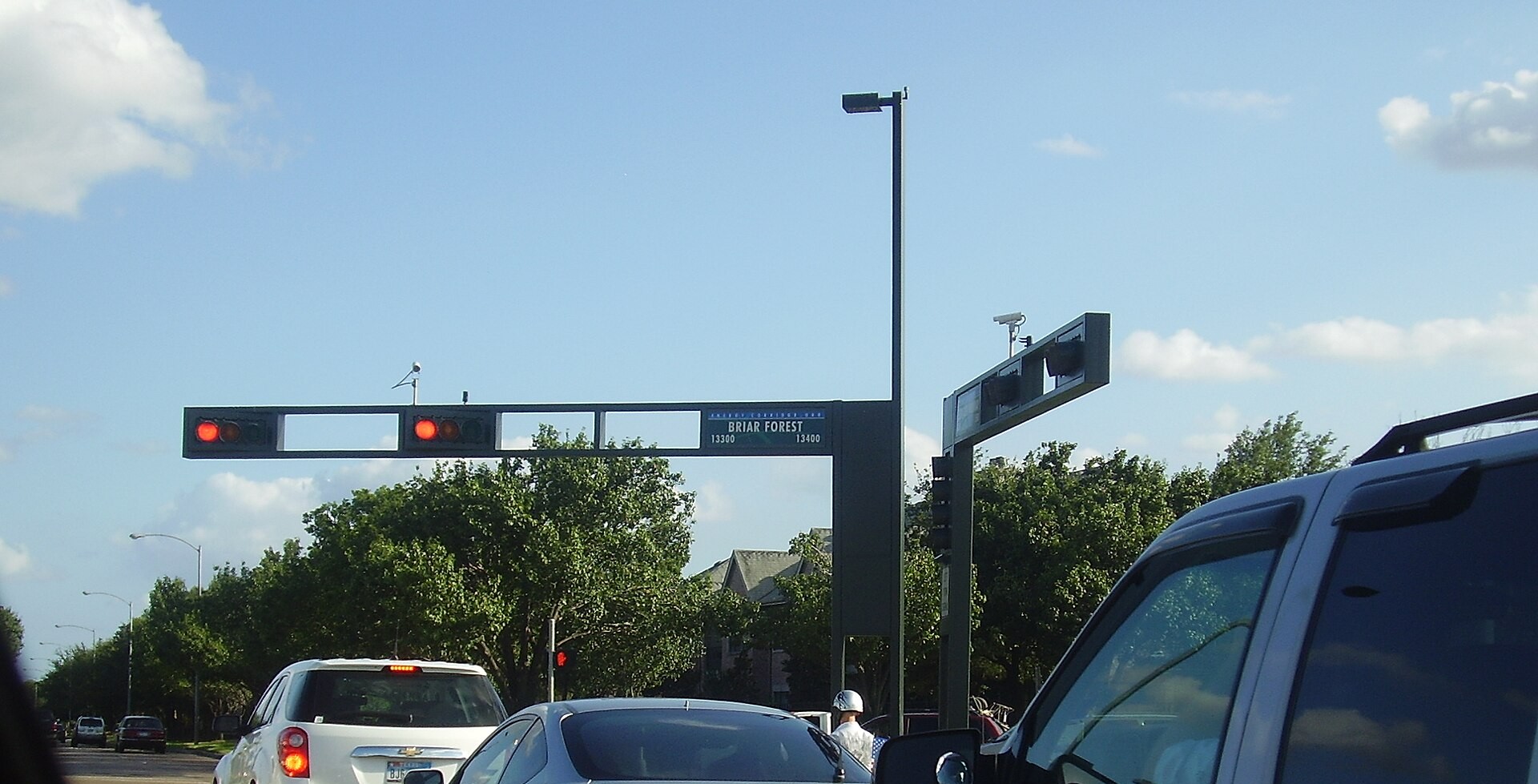
Statute of limitations after an Energy Corridor crash
For example, picture Dana, an invented commuter hurt in a crash on Briar Forest Drive. In that case, the statute of limitations generally gives her two years after the day her claim accrues to file a lawsuit. Id. § 16.003(a). In addition, if the last day falls on a Saturday, Sunday, or holiday, the deadline moves to the next day county offices are open. Id. § 16.072. Finally, if an injury causes a death, the claim accrues on the date of death. Id. § 16.003(b).
Statute of limitations protections when a child is hurt
Because the law protects children, a person younger than 18 is under a legal disability, and so is a person of unsound mind. Id. § 16.001(a). As a result, the time a child is under 18 does not count, so the statute of limitations clock generally starts at age 18. Id. § 16.001(b). For more detail, also see the Texas deadlines tool and the car accidents page.
This article is general information about Texas law. If you need legal advice about your own situation, contact a licensed attorney.
Supporting text
The exact language behind each part of this statute of limitations, in the order it is cited.
Tex. Civ. Prac. & Rem. Code Ann. § 16.003(a)
Supports: the two-year rule for personal injury suits, because this subsection sets the deadline for personal injury suits at two years after the claim accrues.
(a) Except as provided by Sections 16.010, 16.0031, and 16.0045, a person must bring suit for … personal injury … not later than two years after the day the cause of action accrues.
Tex. Civ. Prac. & Rem. Code Ann. § 16.072
Supports: the weekend and holiday rule; in other words, a statute of limitations deadline that lands on one of those days moves to the next day county offices are open.
If the last day of a limitations period under any statute of limitations falls on a Saturday, Sunday, or holiday, the period for filing suit is extended to include the next day that the county offices are open for business.
Tex. Civ. Prac. & Rem. Code Ann. § 16.003(b)
Supports: the death rule, because this subsection says a claim for injury resulting in death accrues on the date of death.
(b) A person must bring suit not later than two years after the day the cause of action accrues in an action for injury resulting in death. The cause of action accrues on the death of the injured person.
Tex. Civ. Prac. & Rem. Code Ann. § 16.001(a)
Supports: that the statute of limitations protects children, because this passage defines a legal disability to include anyone younger than 18 and anyone of unsound mind.
(a) For the purposes of this subchapter, a person is under a legal disability if the person is: (1) younger than 18 years of age, regardless of whether the person is married; or (2) of unsound mind.
Tex. Civ. Prac. & Rem. Code Ann. § 16.001(b)
Supports: that a child’s two-year clock waits, because the time of the disability is not included in the limitations period.
(b) If a person entitled to bring a personal action is under a legal disability when the cause of action accrues, the time of the disability is not included in a limitations period.
