The negligence definition is simple: carelessness that hurts someone. In other words, an injured person in Texas can hold a careless person or company responsible by proving a legal duty, a breach of that duty, and damages caused by the breach. Greater Hous. Transp. Co. v. Phillips, 801 S.W.2d 523, 525 (Tex. 1990).
This is the negligence definition Texas courts use, shown with a Katy Freeway crash in Houston’s Energy Corridor. However, the rule is the same statewide. For more local ground, see the Houston city guide.
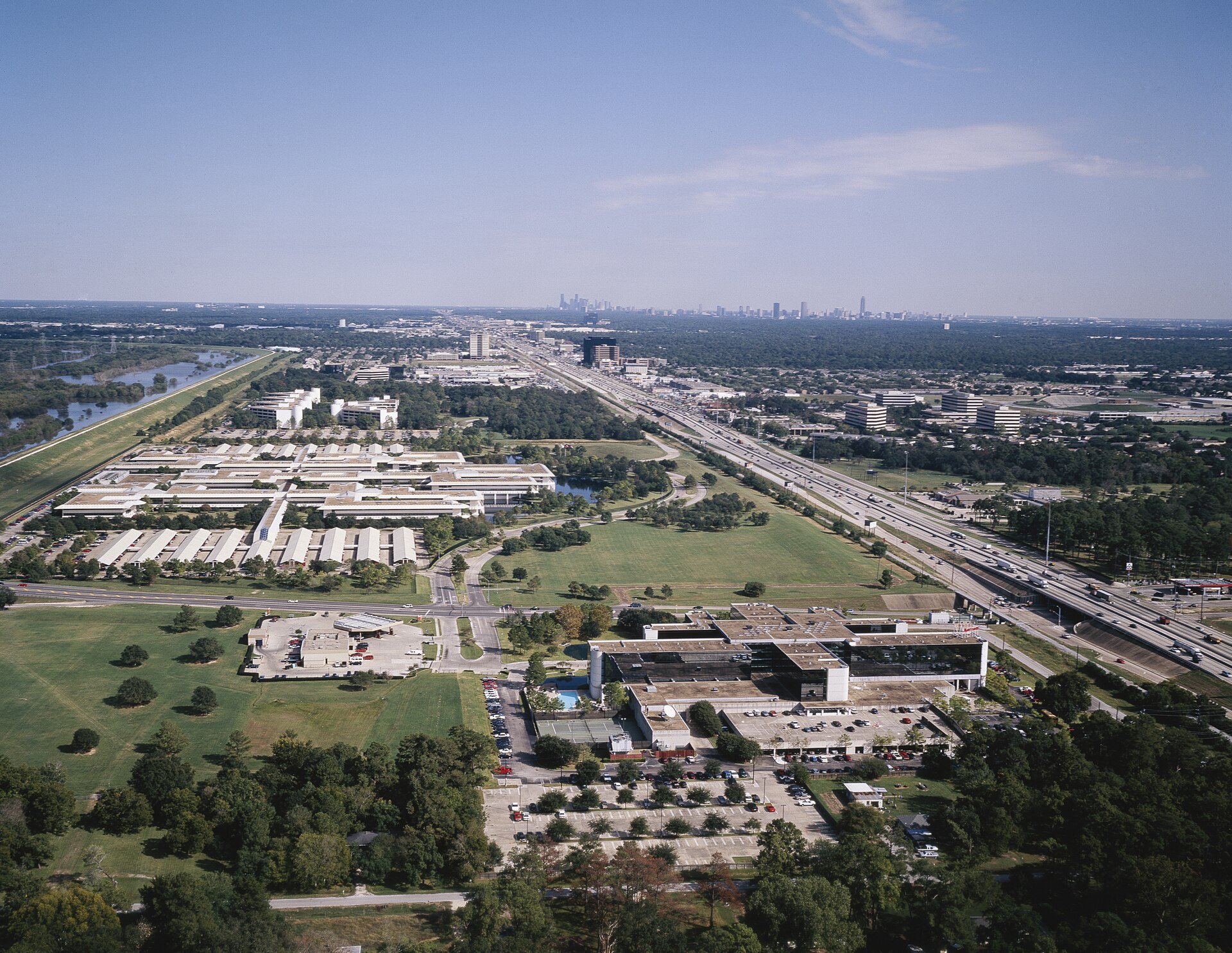
The negligence definition after a Katy Freeway crash
For example, picture Maria, an invented commuter, rear-ended by a driver looking at a phone. To recover, she first shows that the other driver owed her a legal duty, then that the driver broke it, and finally that the breach caused her damages. Id. In addition, the careless act must be a substantial factor in causing the harm. Doe v. Boys Clubs of Greater Dallas, Inc., 907 S.W.2d 472, 477 (Tex. 1995). The danger must also be one a person of ordinary intelligence should have anticipated. Id. at 478.
Shared fault under the negligence definition: what protects her
Even so, the other driver’s insurer can argue Maria was partly to blame. However, Texas law still lets her recover if her share of responsibility is 50 percent or less. As a result, her damages are only reduced by that share. Tex. Civ. Prac. & Rem. Code Ann. §§ 33.001, 33.012(a). Finally, she generally must file suit within two years after the day her claim accrues. Id. § 16.003(a). For more detail, see the Texas deadlines tool and the car accidents page.
This article is general information about Texas law. If you need legal advice about your own situation, contact a licensed attorney.
Supporting text
The exact language behind each part of this negligence definition, in the order it is cited.
Greater Hous. Transp. Co. v. Phillips, 801 S.W.2d 523, 525 (Tex. 1990)
Supports: the three parts of the negligence definition, because this passage lists duty, breach, and damages caused by the breach.
The common law doctrine of negligence consists of three elements: 1) a legal duty owed by one person to another; 2) a breach of that duty; and 3) damages proximately resulting from the breach.
Doe v. Boys Clubs of Greater Dallas, Inc., 907 S.W.2d 472, 477 (Tex. 1995)
Supports: that the careless act must be a substantial factor in causing the harm, because cause in fact is part of proximate cause under the negligence definition.
The components of proximate cause are cause in fact and foreseeability. . . . The test for cause in fact is whether the negligent “act or omission was a substantial factor in bringing about injury,” without which the harm would not have occurred.
Doe v. Boys Clubs of Greater Dallas, Inc., 907 S.W.2d at 478
Supports: that the danger must be one a person of ordinary intelligence should have anticipated, because foreseeability is the other part of proximate cause.
Foreseeability, the other aspect of proximate cause, requires that a person of ordinary intelligence should have anticipated the danger created by a negligent act or omission.
Tex. Civ. Prac. & Rem. Code Ann. §§ 33.001, 33.012(a)
Supports: that an injured person 50 percent or less responsible can still recover; however, the damages are reduced by that share.
33.001 In an action to which this chapter applies, a claimant may not recover damages if his percentage of responsibility is greater than 50 percent.
33.012(a) If the claimant is not barred from recovery under Section 33.001, the court shall reduce the amount of damages to be recovered by the claimant with respect to a cause of action by a percentage equal to the claimant’s percentage of responsibility.
Tex. Civ. Prac. & Rem. Code Ann. § 16.003(a)
Supports: the two-year deadline to file a personal injury suit, which also covers injury claims based on the negligence definition above.
(a) Except as provided by Sections 16.010, 16.0031, and 16.0045, a person must bring suit for . . . personal injury, . . . not later than two years after the day the cause of action accrues.
