Truck warning triangles are required safety gear on big rigs. In short, with limited exceptions, when a commercial truck stops on a highway or its shoulder, other than for a necessary traffic stop, the driver must turn on the hazard flashers right away and set out warning devices within 10 minutes. 49 C.F.R. § 392.22(a) (2025); id. § 392.22(b)(1).
Truck warning triangles protect drivers who come upon a stalled 18-wheeler, such as on I-45 near The Woodlands. For example, picture Lena, an invented commuter, driving north at night when a rig breaks down on the shoulder ahead. Because the rule is federal, it applies the same way across Texas. For local detail, see The Woodlands city guide and the Houston city guide.
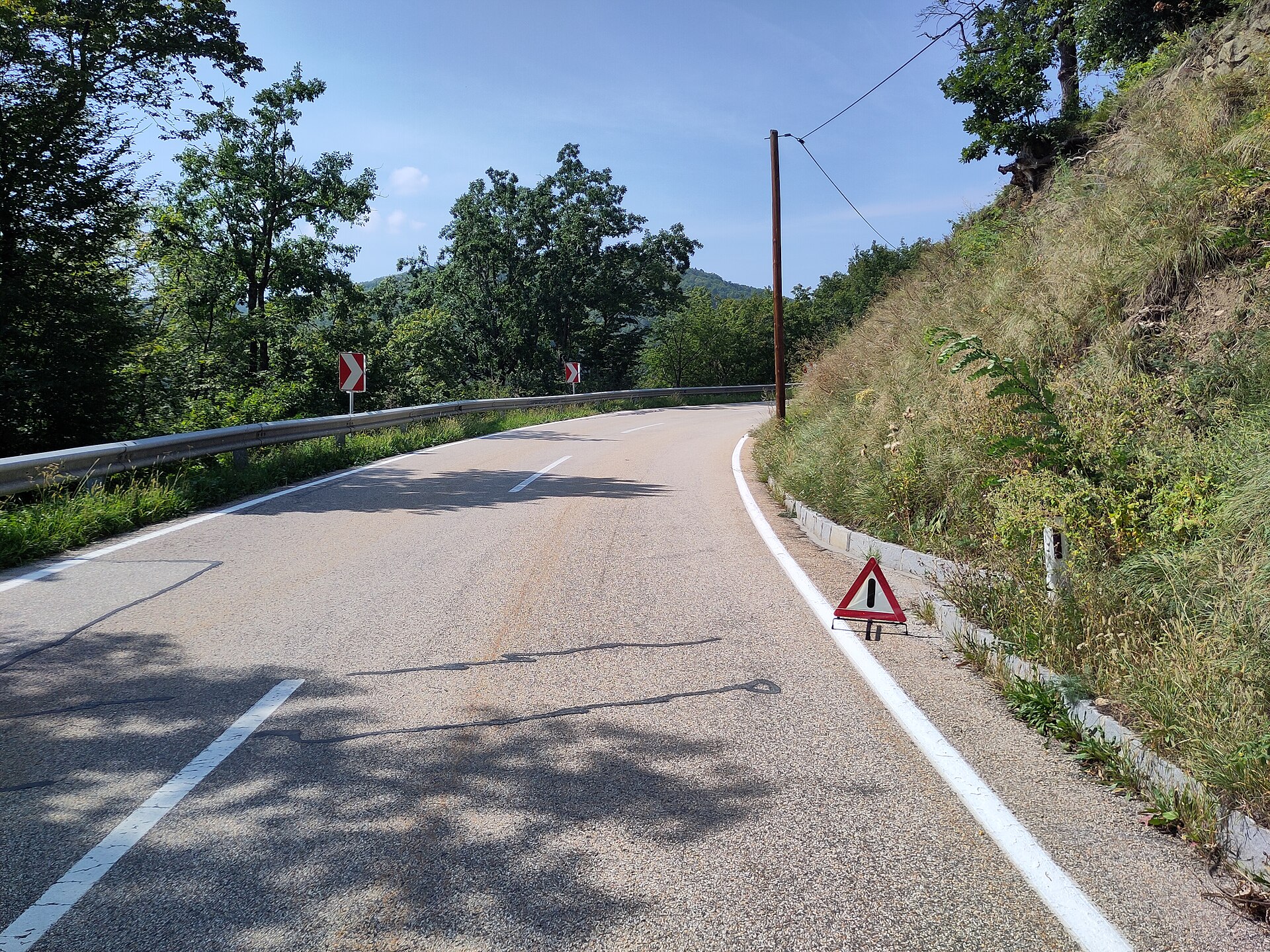
What truck warning triangles a rig must carry
First, a truck must carry three bidirectional emergency reflective triangles, or at least six fusees. Id. § 393.95(f)(1); id. § 393.95(f)(2). Also, the stopped driver must keep the flashers on until the warning devices are in place. Id. § 392.22(a).
Truck warning triangles on I-45 near The Woodlands
On a divided highway such as I-45, one triangle goes within 10 feet of the truck’s rear on the traffic side. Then one goes 100 feet back and one 200 feet back, toward approaching traffic. Id. § 392.22(b)(2)(v). In other words, the rule puts warnings in Lena’s path before she reaches the truck. For more, see which trucking records matter after a crash and the trucking company lookup.
This article is general information about Texas law. If you need legal advice about your own situation, contact a licensed attorney.
Supporting text
The exact language behind each part of this truck warning triangles explainer, in the order it is cited. In addition, each heading links to the official eCFR text. Also, each quote matches that text word for word.
49 C.F.R. § 392.22(a) (2025); id. § 392.22(b)(1)
Supports: the short answer and the flasher rule, because these paragraphs require flashers at once and truck warning triangles within 10 minutes.
Whenever a commercial motor vehicle is stopped upon the traveled portion of a highway or the shoulder of a highway for any cause other than necessary traffic stops, the driver of the stopped commercial motor vehicle shall immediately activate the vehicular hazard warning signal flashers and continue the flashing until the driver places the warning devices required by paragraph (b) of this section.
. . .
Except as provided in paragraph (b)(2) of this section, whenever a commercial motor vehicle is stopped upon the traveled portion or the shoulder of a highway for any cause other than necessary traffic stops, the driver shall, as soon as possible, but in any event within 10 minutes, place the warning devices required by § 393.95 of this subchapter, in the following manner:
Id. § 393.95(f)(1); id. § 393.95(f)(2)
Supports: the gear a rig must carry, because this paragraph requires three reflective triangles or at least six fusees.
Except as provided in paragraph (g) of this section, one of the following options must be used: (1) Three bidirectional emergency reflective triangles that conform to the requirements of Federal Motor Vehicle Safety Standard No. 125, § 571.125 of this title; or (2) At least 6 fusees.
Supports: the placement on a divided highway like I-45, because this paragraph sets the 10-foot, 100-foot, and 200-foot spots. As a result, the farthest triangle sits 200 feet back from the truck.
If a commercial motor vehicle is stopped upon the traveled portion or the shoulder of a divided or one-way highway, the driver shall place the warning devices required by paragraph (b)(1) of this section, one warning device at a distance of 200 feet and one warning device at a distance of 100 feet in a direction toward approaching traffic in the center of the lane or shoulder occupied by the commercial motor vehicle. He/she shall place one warning device at the traffic side of the commercial motor vehicle within 10 feet of the rear of the commercial motor vehicle.
