CDL drug testing rules: the short answer
CDL drug testing rules require every covered truck driver to submit to random drug and alcohol testing. 49 C.F.R. § 382.305(a) (2025). They also bar a driver from safety-sensitive duty with an alcohol concentration of 0.04 or greater. Id. § 382.201.
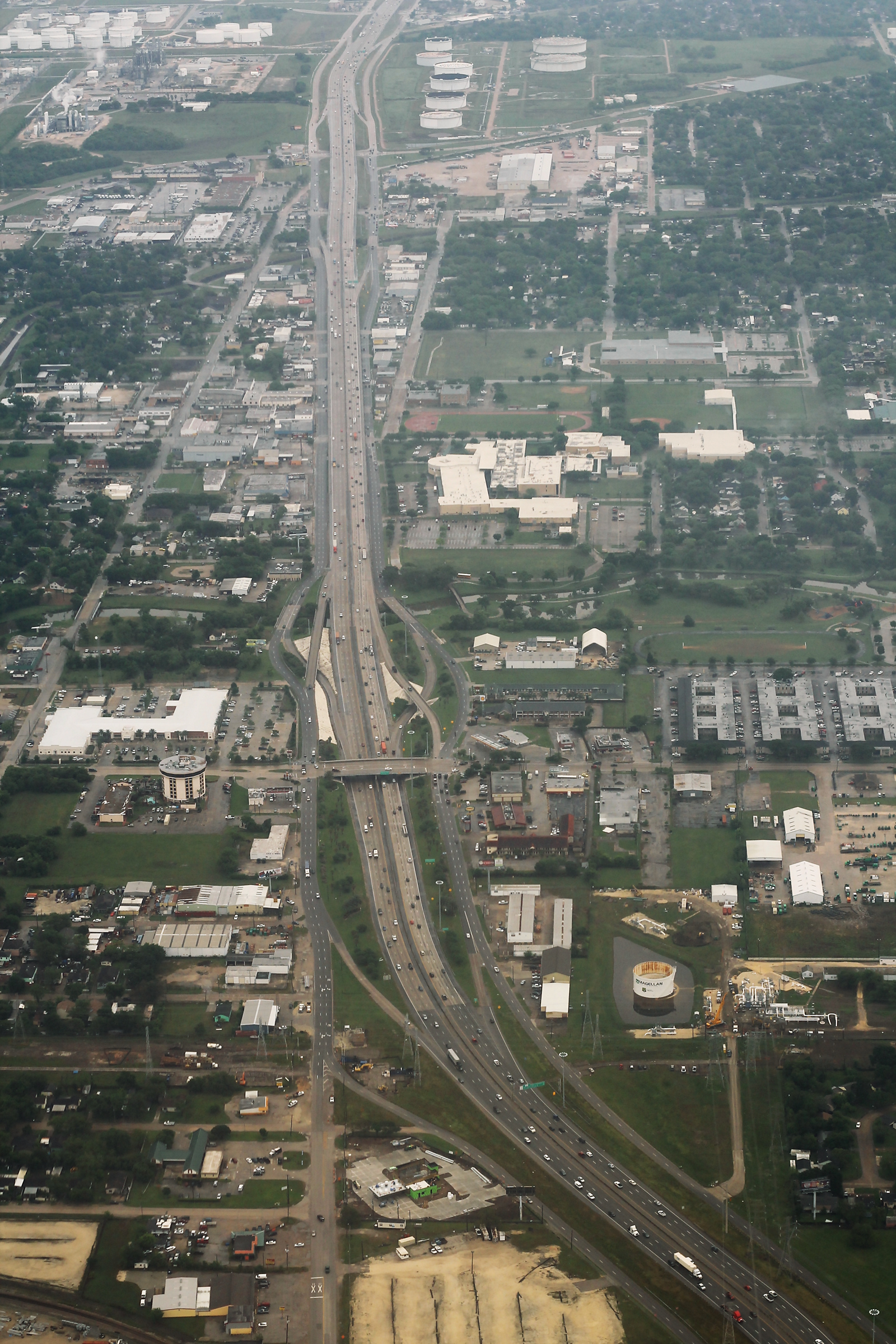
CDL drug testing rules protect everyone sharing the road with big rigs and reach companies whose drivers need a commercial license. Id. § 382.103(a). For example, say Luis is hit by an 18-wheeler on State Highway 225 in Pasadena (77506). They apply statewide, so Pasadena is just the setting.
What the federal limits forbid
First, a driver may not do safety-sensitive work within four hours after using alcohol. Id. § 382.207. In addition, a driver may not report for duty when using a Schedule I drug. Id. § 382.213(a).
When CDL drug testing rules call for a test
Before a new driver’s first safety-sensitive work, the company generally must receive a verified negative drug test result. Id. § 382.301(a). Then, the company must require an alcohol test when it has reasonable suspicion based on specific observations of the driver’s appearance, behavior, speech, or body odors. Id. § 382.307(a). For post-crash tests, see the trucking records that matter after a wreck.
Why CDL drug testing rules matter after a Pasadena truck crash
Finally, the company must keep verified positive drug results, and alcohol results of 0.02 or greater, for at least five years. Id. § 382.401(b)(1). For more detail, see the trucking company lookup and the Pasadena city guide.
This article is general information about Texas law. If you need legal advice about your own situation, contact a licensed attorney.
Supporting text
The exact language behind each part of these CDL drug testing rules, in the order it is cited.
Supports: the short answer’s point on random testing, because this paragraph says every driver shall submit to random alcohol and controlled substance testing.
(a) Every employer shall comply with the requirements of this section. Every driver shall submit to random alcohol and controlled substance testing as required in this section.
Supports: the 0.04 limit in the short answer, because this section bars a driver from safety-sensitive duty at that level.
No driver shall report for duty or remain on duty requiring the performance of safety-sensitive functions while having an alcohol concentration of 0.04 or greater. No employer having knowledge that a driver has an alcohol concentration of 0.04 or greater shall permit the driver to perform or continue to perform safety-sensitive functions.
Supports: who the rules reach, because this paragraph applies the part to employers of drivers subject to the commercial license requirements.
(a) This part applies to service agents and to every person and to all employers of such persons who operate a commercial motor vehicle in commerce in any State and are subject to: (1) The commercial driver’s license requirements of part 383 of this subchapter; . . .
Supports: the four-hour rule, because this section bars safety-sensitive work within four hours after using alcohol.
No driver shall perform safety-sensitive functions within four hours after using alcohol. No employer having actual knowledge that a driver has used alcohol within four hours shall permit a driver to perform or continue to perform safety-sensitive functions.
Supports: the Schedule I point in the drug testing rules, because this paragraph bars reporting for duty while using a Schedule I drug.
(a) No driver shall report for duty or remain on duty requiring the performance of safety sensitive functions when the driver uses any drug or substance identified in 21 CFR 1308.11 Schedule I.
Supports: the pre-hire drug test, because this paragraph requires a verified negative result before a new driver’s first safety-sensitive work, subject to one listed exception.
(a) Prior to the first time a driver performs safety-sensitive functions for an employer, the driver shall undergo testing for controlled substances as a condition prior to being used, unless the employer uses the exception in paragraph (b) of this section. No employer shall allow a driver, who the employer intends to hire or use, to perform safety-sensitive functions unless the employer has received a controlled substances test result from the MRO or C/TPA indicating a verified negative test result for that driver.
Supports: the reasonable-suspicion test under the drug testing rules, because this paragraph requires an alcohol test based on specific observations of the driver.
(a) An employer shall require a driver to submit to an alcohol test when the employer has reasonable suspicion to believe that the driver has violated the prohibitions of subpart B of this part concerning alcohol. The employer’s determination that reasonable suspicion exists to require the driver to undergo an alcohol test must be based on specific, contemporaneous, articulable observations concerning the appearance, behavior, speech or body odors of the driver.
Supports: the five-year record rule in the CDL drug testing rules, because this paragraph lists positive drug results and alcohol results of 0.02 or greater among the five-year records.
(1) Five years. The following records shall be maintained for a minimum of five years: (i) Records of driver alcohol test results indicating an alcohol concentration of 0.02 or greater, (ii) Records of driver verified positive controlled substances test results, . . .
