Slip and fall: the short answer
In a Texas slip and fall case, a store owes customers (the law calls them invitees) reasonable care against dangers it knew about or would have found with reasonable care. CMH Homes, Inc. v. Daenen, 15 S.W.3d 97, 101 (Tex. 2000). However, the store is not an insurer, so the injured customer must prove four elements. Id; Keetch v. Kroger Co., 845 S.W.2d 262, 264 (Tex. 1992).
For example, say Grace slips on spilled water in a grocery store in Katy. Because these rules are statewide, Katy is only the setting.
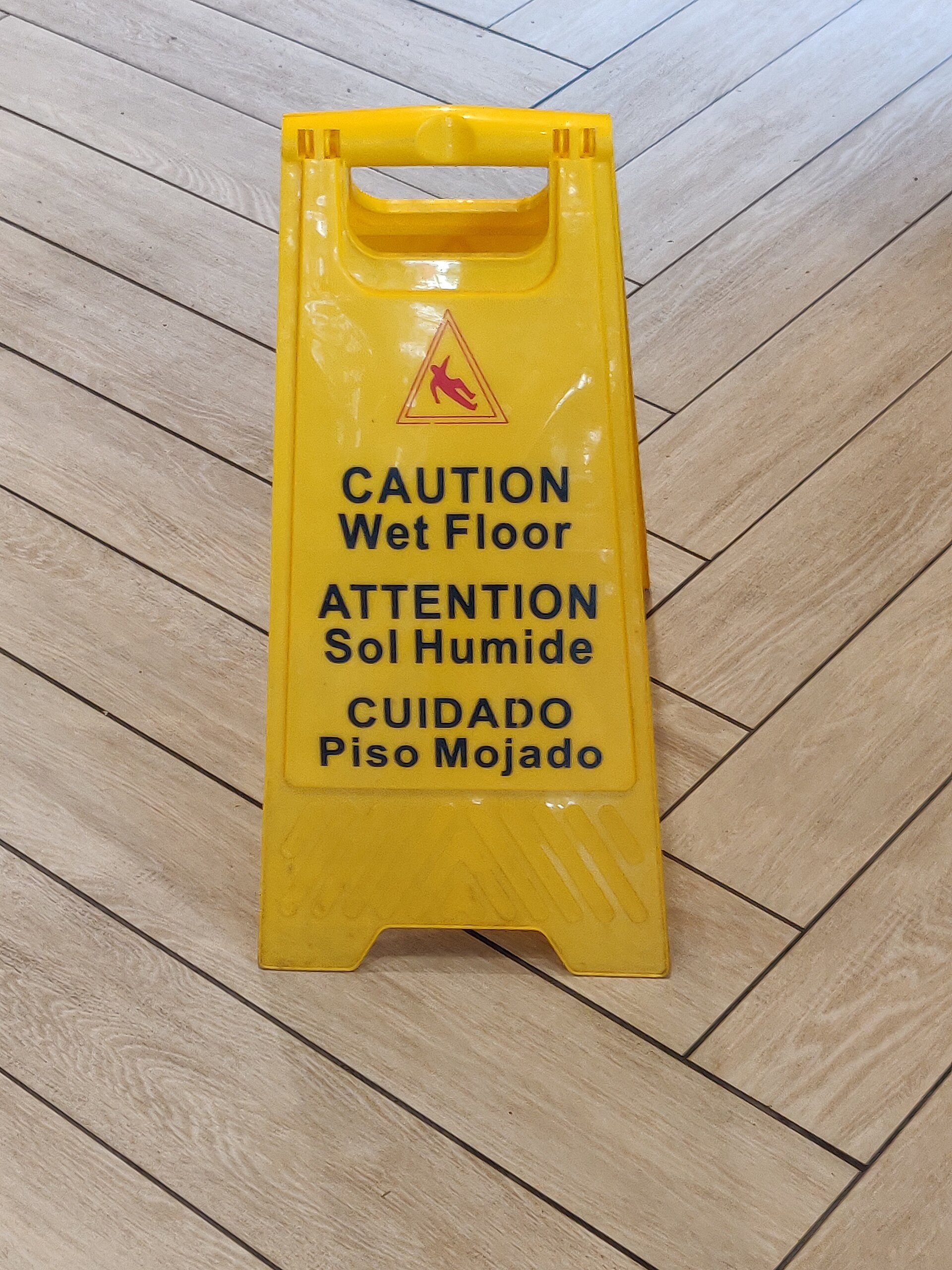
What a slip and fall claim must show
First, Grace must show the store knew or should have known about the condition. Then, she must show the condition posed an unreasonable risk of harm, the store did not use reasonable care to reduce or remove it, and that failure caused her injuries. Keetch, 845 S.W.2d at 264.
When the store caused the slip and fall hazard
In addition, if the store created the hazard, that fact may support an inference that the store knew about it. Id. at 265. Even so, the jury still must find that the store knew or should have known. Id. For more detail, see premises liability and the Texas deadlines tool.
This article is general information about Texas law. If you need legal advice about your own situation, contact a licensed attorney.
Supporting text
The exact language behind each part of this slip and fall article, in the order it is cited.
CMH Homes, Inc. v. Daenen, 15 S.W.3d 97, 101 (Tex. 2000)
Supports: first, the duty a store owes customers, because this passage states the duty owed to an invitee.
The duty owed by an owner or occupier of premises to an invitee is not that of an insurer. … The duty owed is to exercise reasonable care to protect against danger from a condition on the land that creates an unreasonable risk of harm of which the owner or occupier knew or by the exercise of reasonable care would discover.
Keetch v. Kroger Co., 845 S.W.2d 262, 264 (Tex. 1992)
Supports: in addition, the four elements of a slip and fall claim, because this passage lists them.
The elements are: (1) Actual or constructive knowledge of some condition on the premises by the owner/operator; (2) That the condition posed an unreasonable risk of harm; (3) That the owner/operator did not exercise reasonable care to reduce or eliminate the risk; and (4) That the owner/operator’s failure to use such care proximately caused the plaintiff’s injuries.
Supports: also, the inference when the store created the hazard, because this passage allows it while still requiring a jury finding.
The fact that the owner or occupier of a premises created a condition that posed an unreasonable risk of harm may support an inference of knowledge. … However, the jury still must find that the owner or occupier knew or should have known of the condition.
