No Texas rule sets one injury lawsuit timeline. Instead, several clocks shape it. First, the defendant must answer by 10:00 a.m. on the Monday after 20 days pass from service. Tex. R. Civ. P. 99(b). In addition, judges should, so far as reasonably possible, bring civil jury cases to trial or final disposition within 18 months from the appearance date. Tex. R. Jud. Admin. 6.1(a)(1).
For example, imagine an invented driver, Ana, hurt in a crash in Spring Branch who sues in Harris County. Because her Harris County injury lawsuit follows statewide rules, this injury lawsuit timeline works the same anywhere in Texas. For more detail, see the Houston city guide and the Texas deadlines tool.
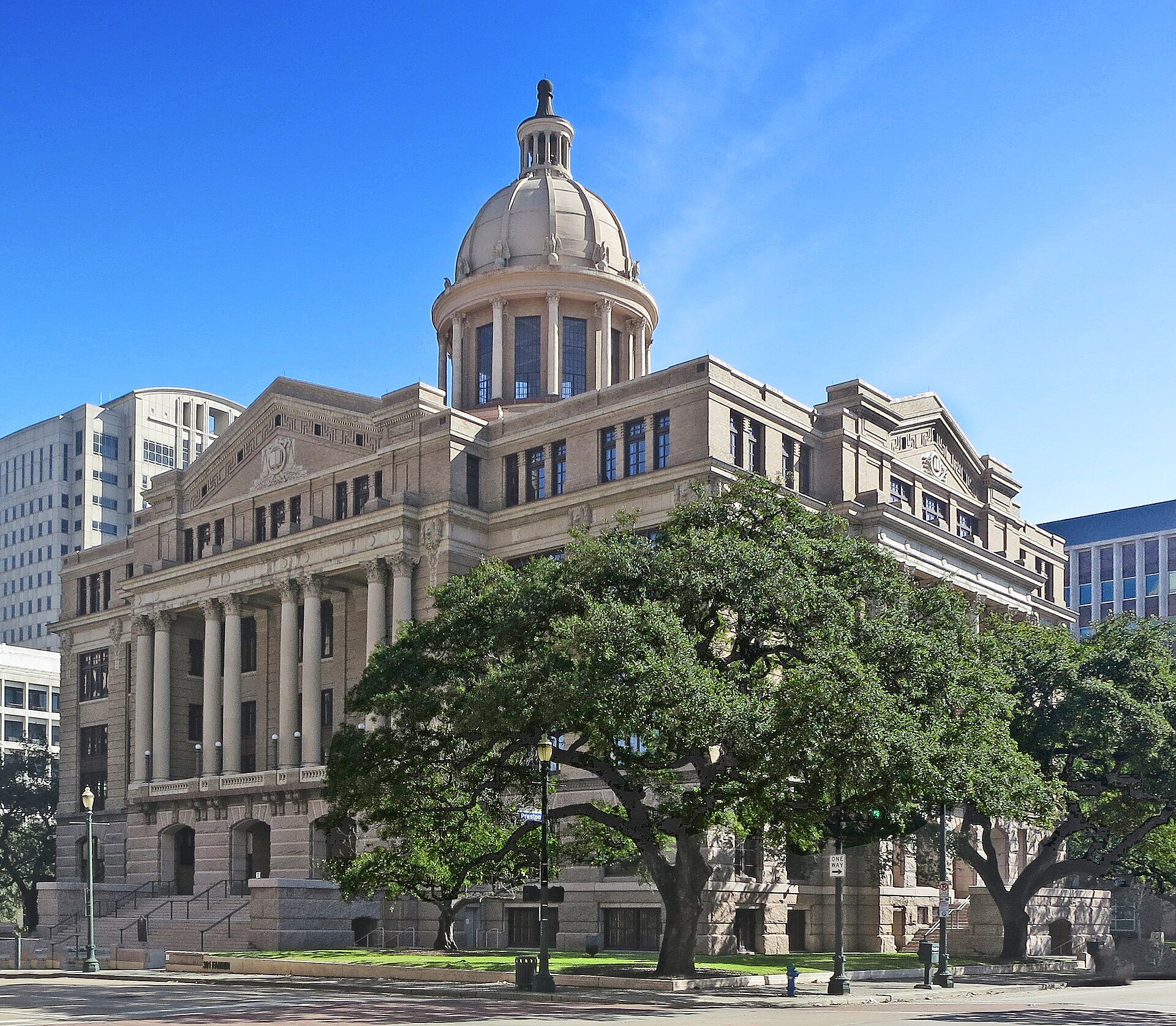
The petition starts the injury lawsuit timeline
First, Ana starts her injury lawsuit timeline with an original petition stating the range of money relief she seeks, such as over $1,000,000. Tex. R. Civ. P. 47(c). Also, she names a discovery level in its first numbered paragraph. Tex. R. Civ. P. 190.1. Then she must get the citation and petition served. Tex. R. Civ. P. 99(a). Even so, the citation protects her: it warns that a default judgment may be rendered if no answer is filed. Tex. R. Civ. P. 99(b).
Discovery in a Harris County injury lawsuit timeline
In addition, under Level 2 of this injury lawsuit timeline, discovery runs from the first initial disclosures until the earlier of 30 days before trial or nine months after those disclosures were due. Tex. R. Civ. P. 190.3(b)(1)(A). As a result, both sides gather evidence within set limits. Finally, for the deadline to file in the first place, read the two-year statute of limitations.
This article is general information about Texas law. If you need legal advice about your own situation, contact a licensed attorney.
Supporting text
The exact language behind each part of this injury lawsuit timeline, in the order it is cited. For more detail, each entry quotes the rule itself. Also, each quote is copied from the official text. Then each note explains the statement it supports.
Supports: the answer deadline and the default judgment warning in this injury lawsuit timeline, because the citation must contain both. In other words, the citation itself tells the defendant the deadline and the risk of a default. Also, the answer is due by 10:00 a.m. on that Monday. Then the defendant has until that time to file a written answer.
… (12) notify the defendant that in case of failure of defendant to file and answer, judgment by default may be rendered for the relief demanded in the petition, … The citation shall direct the defendant to file a written answer to the plaintiff’s petition on or before 10:00 a.m. on the Monday next after the expiration of twenty days after the date of service thereof.
Supports: the 18-month standard for civil jury cases, because this rule sets the time standards judges should follow. In other words, it is a goal for judges, not a promised trial date. Then the 18 months run from the appearance date.
District, statutory county, and business court judges should, so far as reasonably possible, ensure that all cases are brought to trial or final disposition in conformity with the following time standards: (a) Civil Cases Other Than Family Law. (1) Civil Jury Cases. Within 18 months from appearance date.
Supports: the statement of relief in the petition, because this rule lists the ranges a petition must choose from. As a result, an injury petition states one of these ranges. For example, a petition may seek monetary relief over $1,000,000. Also, the first range excludes interest, penalties, and fees.
(c) except in suits governed by the Family Code, a statement that the party seeks: (1) only monetary relief of $325,000 or less, excluding interest, statutory or punitive damages and penalties, and attorney fees and costs; (2) monetary relief of $325,000 or less and non-monetary relief; (3) monetary relief over $325,000 but not more than $1,000,000; (4) monetary relief over $1,000,000; or (5) only non-monetary relief; and
Discovery and service rules in this injury lawsuit timeline
Supports: the discovery level named in the petition, because this rule requires the plaintiff to allege it in the first numbered paragraph. For example, a petition may plead Level 2. Then the level guides the discovery limits that follow.
A plaintiff must allege in the first numbered paragraph of the original petition whether discovery is intended to be conducted under Level 1, 2, or 3 of this Rule.
Supports: the step of serving the citation, because this rule puts that job on the party who requests it. In other words, the plaintiff, not the clerk, arranges service. Also, the clerk issues the citation when requested.
The party requesting citation shall be responsible for obtaining service of the citation and a copy of the petition.
Tex. R. Civ. P. 190.3(b)(1)(A)
Supports: the Level 2 discovery period in this injury lawsuit timeline, because this rule sets when it starts and ends. As a result, Level 2 discovery closes no later than nine months after the first initial disclosures are due. Also, the period starts when the first initial disclosures are due. For example, if trial is set sooner, discovery ends 30 days before trial.
(A) In a suit not governed by the Family Code, all discovery must be conducted during the discovery period, which begins when the first initial disclosures are due and continues until the earlier of: (i) 30 days before the date set for trial; or (ii) nine months after the first initial disclosures are due.
