Lost wages after a car accident: the short answer
Lost wages after a car accident in Texas can be part of the claim against the driver who caused the crash. In addition, personal injury protection (PIP) coverage on an auto policy pays for income lost because of the accident, for people who earn an income. Tex. Ins. Code Ann. § 1952.151(3)(B). In a lawsuit, the injured person must prove lost pay as a net loss after income taxes. Tex. Civ. Prac. & Rem. Code Ann. § 18.091(a).
Lost wages after a car accident in League City (77573) often add up fast, especially for people who work hourly or for themselves. For example, say Luis is rear-ended on I-45, the Gulf Freeway, on his way to work. As a result, he misses three weeks on the job while his back heals. This article explains the two main ways Texas law replaces that lost pay, and how to prove the amount. For more about local courts and roads, see the League City city guide.
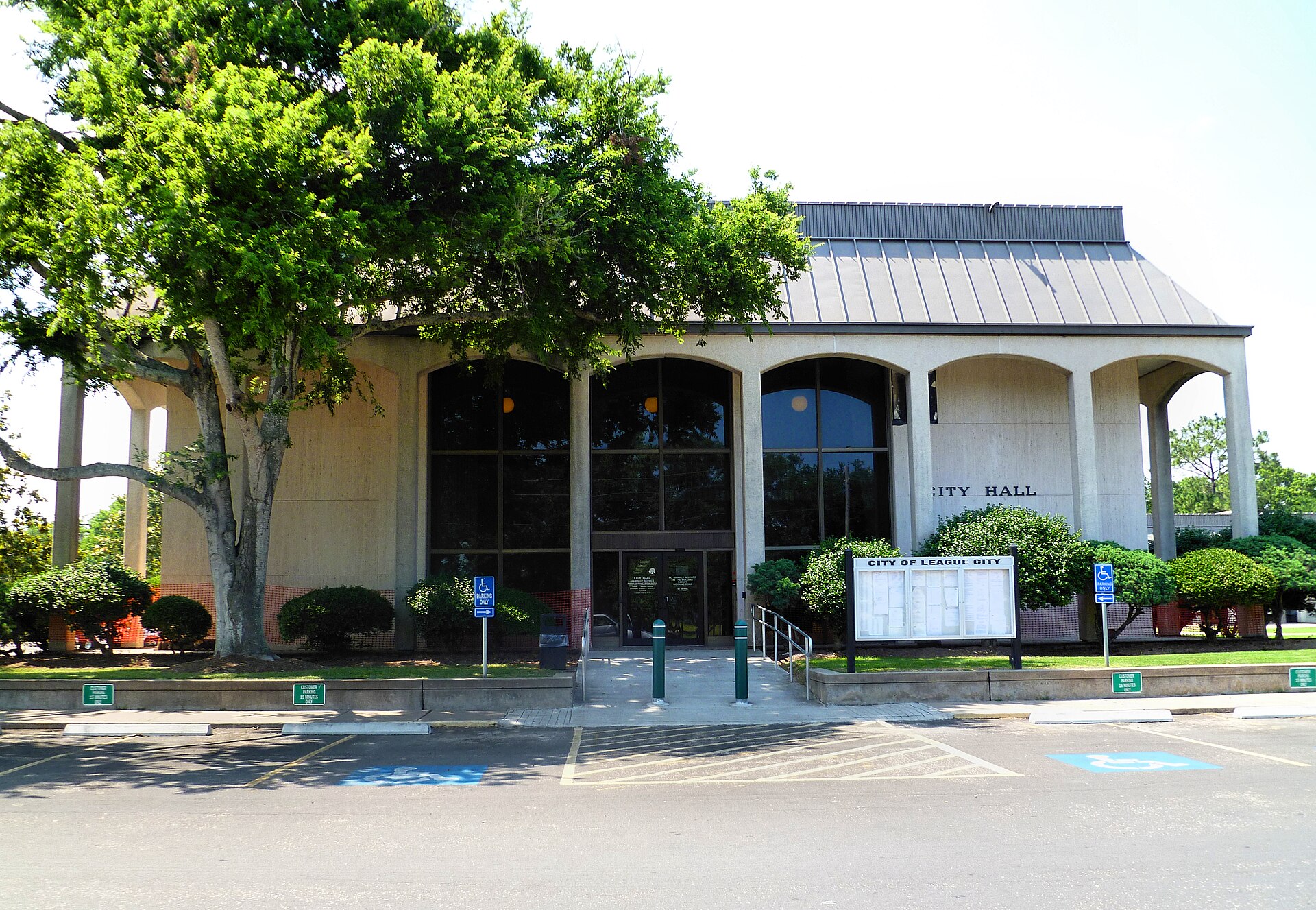
Does PIP pay lost wages after a car accident?
Often, yes. In fact, PIP pays reasonable expenses from an accident, including replacement of income lost as a result of it for a person who earns an income. Tex. Ins. Code Ann. § 1952.151(3)(B). Also, Texas insurers must include PIP in auto policies unless a named insured rejected it in writing. Id § 1952.152(a), (b). However, the law does not require insurers to provide more than $2,500 in PIP coverage per person, for all benefits combined. Id § 1952.153.
Timing also matters. An insurer must pay PIP benefits as claims arise, and no later than 30 days after it receives satisfactory proof of the claim. Id § 1952.156(a). Even so, a policy may require the first proof of loss within a set period of at least six months after the accident. Id § 1952.156(b)(1). However, if the insurer fails to pay benefits when due, the injured person can sue to recover them. And if the insurer is found to owe the benefits, the person also recovers reasonable attorney’s fees, a 12 percent penalty, and interest. Id § 1952.157(a), (b).
Can the at-fault driver pay lost wages after a car accident?
Yes. Lost pay is an economic loss, and Texas defines economic damages as compensation for actual economic or pecuniary loss. Tex. Civ. Prac. & Rem. Code Ann. § 41.001(4). So an injured person can claim lost wages from the driver who caused the crash, and that driver’s liability insurer usually handles the claim. Because PIP can be limited, this claim can cover pay that PIP does not. For instance, in Luis’s case, his three missed weeks would be part of his claim against the driver who hit him on the Gulf Freeway.
Texas also recognizes a related loss: loss of earning capacity. In other words, an injury can reduce what a person is able to earn in the future, not just the paychecks already missed. The statute on proof of these losses names both loss of earnings and loss of earning capacity. Id § 18.091(a).
How are lost wages after a car accident proven in League City and across Texas?
First, the injured person must show the amount as a net loss, after reduction for income taxes. Id. Then the court instructs the jury on whether a recovery is subject to federal or state income taxes. Id § 18.091(b). In short, this rule is statewide, so it applies the same way in a Galveston County courtroom as it does in Houston or Dallas.
In practice, the proof usually comes from ordinary records. For example, pay stubs, tax returns, and a letter from the employer listing missed days and the pay rate all help. Similarly, for self-employed people, invoices, bank deposits, and canceled jobs can show what the injury cost. In addition, doctor’s notes connect the missed work to the injury. Finally, the medical expense tracker can keep these records together with the medical bills.
What deadlines and fault rules affect a lost wage claim?
In general, a personal injury lawsuit must be filed within two years after the claim accrues. Tex. Civ. Prac. & Rem. Code Ann. § 16.003(a). Also, Texas reduces an injured person’s damages, including lost pay, by that person’s own percentage of responsibility for the crash. Id § 33.012(a). For more on time limits, see the Texas deadlines tool and the article on the Texas statute of limitations.
This article is general information about Texas law. If you need legal advice about your own situation, contact a licensed attorney.
Supporting text
The exact language behind each part of this lost wages after a car accident article, in the order it is cited.
The PIP and proof rules behind lost wages after a car accident
Tex. Ins. Code Ann. § 1952.151(3)(B)
Supports: PIP payment of lost wages after a car accident, because this section lists replacement of lost income for an income producer among the expenses PIP pays.
“Personal injury protection” consists of provisions of an automobile liability insurance policy that provide for payment to the named insured in the policy, members of the insured’s household, and any authorized operator or passenger of the named insured’s motor vehicle, including a guest occupant, of all reasonable expenses that: (1) arise from an accident; . . . (3) are for: . . . (B) in the case of an income producer, replacement of income lost as the result of the accident;
Tex. Civ. Prac. & Rem. Code Ann. § 18.091(a)
Supports: proving lost wages after a car accident as a net, after-tax loss, because subsection (a) requires that form of proof and names both lost earnings and lost earning capacity.
(a) Notwithstanding any other law, if any claimant seeks recovery for loss of earnings, loss of earning capacity, loss of contributions of a pecuniary value, or loss of inheritance, evidence to prove the loss must be presented in the form of a net loss after reduction for income tax payments or unpaid tax liability pursuant to any federal income tax law.
PIP coverage and limits
Tex. Ins. Code Ann. § 1952.152(a), (b)
Supports: the rule that auto policies include PIP, because subsection (a) requires it and subsection (b) allows only a written rejection.
(a) An insurer may not deliver or issue for delivery in this state an automobile liability insurance policy, including a policy provided through the Texas Automobile Insurance Plan Association under Chapter 2151, that covers liability arising out of the ownership, maintenance, or use of any motor vehicle unless the insurer provides personal injury protection coverage in the policy or supplemental to the policy. (b) The coverage required by this subchapter does not apply if any insured named in the insurance policy rejects the coverage in writing.
Tex. Ins. Code Ann. § 1952.153
Supports: the $2,500 figure, because this section says insurers are not required to provide more than that amount per person.
This subchapter does not require an insurer to provide personal injury protection coverage in an amount that exceeds $2,500 for all benefits, in the aggregate, for each person.
PIP payment deadlines and remedies
Tex. Ins. Code Ann. § 1952.156(a)
Supports: the 30-day payment deadline, because subsection (a) requires payment within 30 days after satisfactory proof.
(a) Subject to the requirements of this section and Section 1952.157, an insurer shall pay benefits under the coverage required by this subchapter periodically as claims for those benefits arise, but not later than the 30th day after the date the insurer receives satisfactory proof of a claim.
Tex. Ins. Code Ann. § 1952.156(b)(1)
Supports: the proof-of-loss period, because this subdivision lets a policy set a period of at least six months.
(b) The coverage required by this subchapter may: (1) prescribe a period of not less than six months after the date of an accident within which the original proof of loss with respect to a claim for benefits must be presented to the insurer;
Tex. Ins. Code Ann. § 1952.157(a), (b)
Supports: the right to sue for unpaid PIP, along with fees, a penalty, and interest, because subsections (a) and (b) provide each of these.
(a) If the insurer fails to pay benefits under the coverage required by this subchapter when due, the person entitled to those benefits may bring an action in contract to recover the benefits. (b) If the insurer is required to pay benefits described by Subsection (a), the person entitled to the benefits is entitled to recover reasonable attorney’s fees, a penalty of 12 percent, and interest at the legal rate from the date those amounts became overdue.
Damages, taxes, deadline, and fault
Tex. Civ. Prac. & Rem. Code Ann. § 41.001(4)
Supports: treating lost wages after a car accident as economic damages, because this definition covers actual economic or pecuniary loss.
(4) “Economic damages” means compensatory damages intended to compensate a claimant for actual economic or pecuniary loss; the term does not include exemplary damages or noneconomic damages.
Tex. Civ. Prac. & Rem. Code Ann. § 18.091(b)
Supports: the jury instruction on taxes, because subsection (b) requires it when lost earnings are sought.
(b) If any claimant seeks recovery for loss of earnings, loss of earning capacity, loss of contributions of a pecuniary value, or loss of inheritance, the court shall instruct the jury as to whether any recovery for compensatory damages sought by the claimant is subject to federal or state income taxes.
Tex. Civ. Prac. & Rem. Code Ann. § 16.003(a)
Supports: the two-year deadline, because this subsection lists personal injury among the claims that must be brought within two years.
(a) Except as provided by Sections 16.010, 16.0031, and 16.0045, a person must bring suit for trespass for injury to the estate or to the property of another, conversion of personal property, taking or detaining the personal property of another, personal injury, forcible entry and detainer, and forcible detainer not later than two years after the day the cause of action accrues.
Tex. Civ. Prac. & Rem. Code Ann. § 33.012(a)
Supports: the shared-fault reduction to a lost wage award, because this subsection cuts damages by the injured person’s own percentage.
(a) If the claimant is not barred from recovery under Section 33.001, the court shall reduce the amount of damages to be recovered by the claimant with respect to a cause of action by a percentage equal to the claimant’s percentage of responsibility.
