Insurance claim deadlines: the short answer
Texas insurance claim deadlines require most insurers to acknowledge a policyholder’s claim and start investigating within 15 days after notice. Tex. Ins. Code Ann. § 542.055(a). Then the insurer must accept or reject the claim in writing within 15 business days after receiving the items it needs to prove the loss. Id. § 542.056(a).
These insurance claim deadlines protect drivers across Texas, including on Memorial Drive in Houston, in Harris County. For example, say Ana’s SUV is hit on Memorial Drive and she files a claim under her own auto policy. Because the rules are statewide, Houston is only the setting.
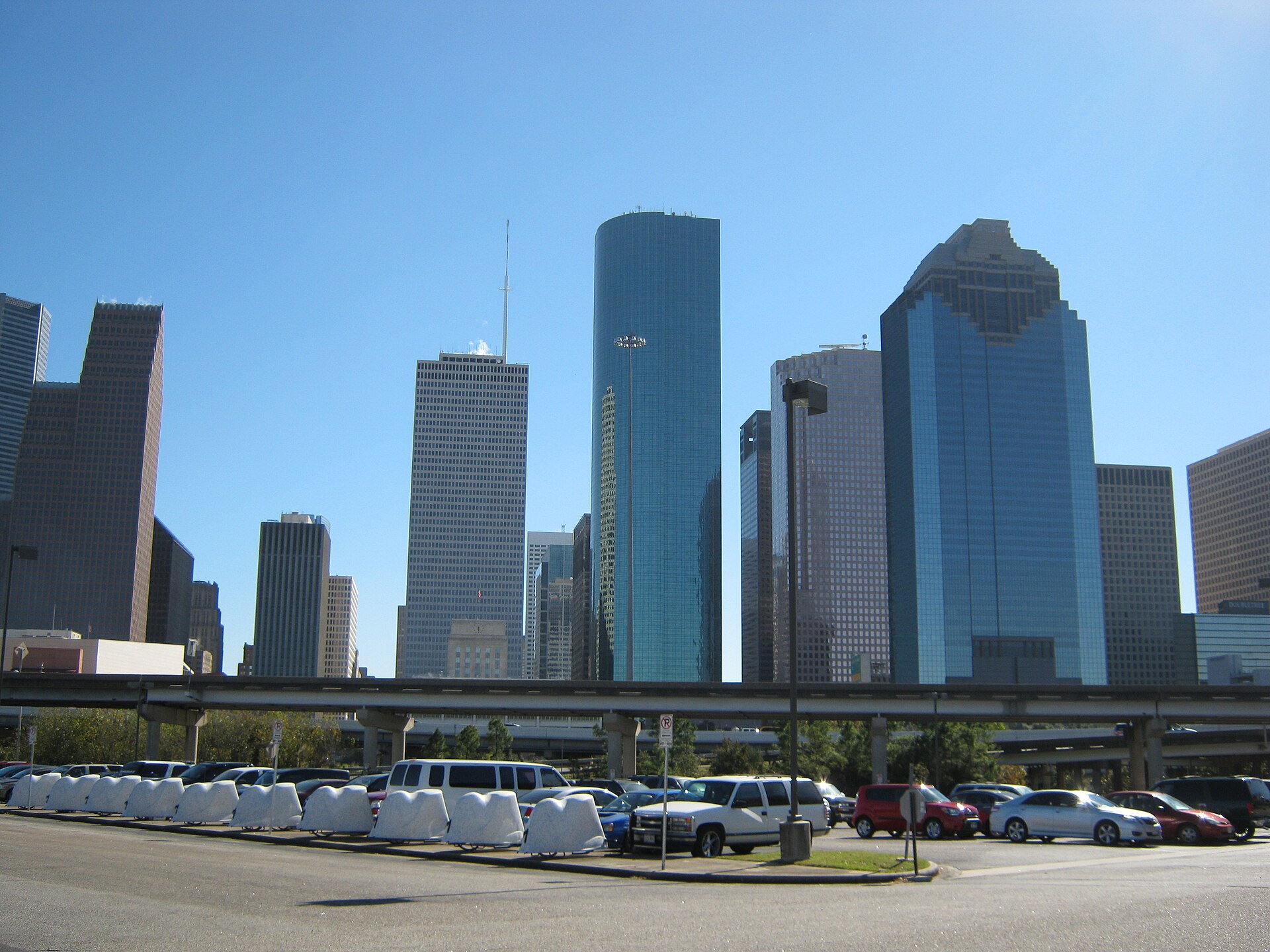
Insurance claim deadlines for Houston drivers
First, these rules cover first-party claims, meaning claims a policyholder makes under her own policy that the insurer pays to her directly. Id. § 542.051(2). In other words, they apply to Ana’s claim on her own policy, not to a claim against the other driver’s insurer.
When insurance claim deadlines are missed
Once the insurer says it will pay, it generally must pay within five business days. Id. § 542.057(a). However, if it needs more time to decide, it must give its reasons within the 15 business days and then decide within 45 days. Id. § 542.056(d). Finally, on a crash claim like Ana’s, an insurer that owes the claim and breaks these rules must add 18 percent yearly interest plus reasonable attorney’s fees. Id. § 542.060(a). For more detail, see the Texas deadlines tool and car accident claims in Texas.
This article is general information about Texas law. If you need legal advice about your own situation, contact a licensed attorney.
Supporting text
The exact language behind each part of these insurance claim deadlines, in the order it is cited.
Tex. Ins. Code Ann. § 542.055(a)
Supports: the 15-day first step in the short answer, because this subsection requires the insurer to acknowledge the claim and begin investigating by then.
(a) Not later than the 15th day or, if the insurer is an eligible surplus lines insurer, the 30th business day after the date an insurer receives notice of a claim, the insurer shall: (1) acknowledge receipt of the claim; (2) commence any investigation of the claim; and (3) request from the claimant all items, statements, and forms that the insurer reasonably believes, at that time, will be required from the claimant.
Supports: the 15-business-day decision deadline, because this subsection requires written acceptance or rejection after the insurer receives what it needs.
(a) Except as provided by Subsection (b) or (d), an insurer shall notify a claimant in writing of the acceptance or rejection of a claim not later than the 15th business day after the date the insurer receives all items, statements, and forms required by the insurer to secure final proof of loss.
Supports: who these insurance claim deadlines protect, because this definition limits them to first-party claims paid directly to the insured.
(2) “Claim” means a first-party claim that: (A) is made by an insured or policyholder under an insurance policy or contract or by a beneficiary named in the policy or contract; and (B) must be paid by the insurer directly to the insured or beneficiary.
Supports: the five-business-day payment rule, because this subsection sets that deadline once the insurer gives notice that it will pay.
(a) Except as otherwise provided by this section, if an insurer notifies a claimant under Section 542.056 that the insurer will pay a claim or part of a claim, the insurer shall pay the claim not later than the fifth business day after the date notice is made.
Supports: the extra-time rule, because this subsection requires the insurer to give its reasons and then decide within 45 days.
(d) If the insurer is unable to accept or reject the claim within the period specified by Subsection (a) or (b), the insurer, within that same period, shall notify the claimant of the reasons that the insurer needs additional time. The insurer shall accept or reject the claim not later than the 45th day after the date the insurer notifies a claimant under this subsection.
Supports: the 18 percent interest and fees, because this subsection adds both when an insurer liable for the claim does not comply.
(a) Except as provided by Subsection (c), if an insurer that is liable for a claim under an insurance policy is not in compliance with this subchapter, the insurer is liable to pay the holder of the policy or the beneficiary making the claim under the policy, in addition to the amount of the claim, interest on the amount of the claim at the rate of 18 percent a year as damages, together with reasonable and necessary attorney’s fees. . . .
